
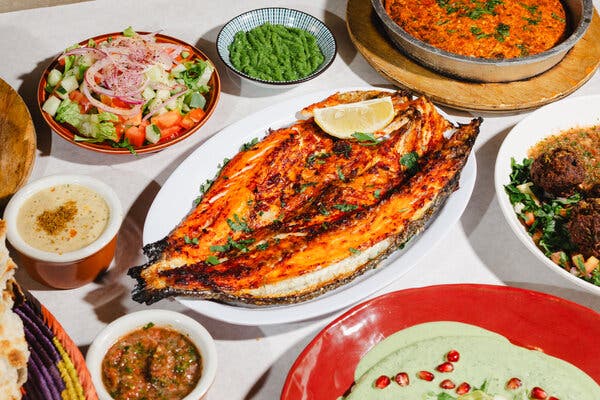
Exploring the rich tapestry of Arabian gastronomy leads inevitably to the yemeni restaurant menu. This cuisine is distinct, representing centuries of trade and unique geographic isolation. It offers a profile far removed from its Levant or North African neighbors. The food is defined by slow cooking, complex earth-oven techniques, and a specific, warm spice blend. This guide serves as an authoritative primer, preparing diners to navigate the culinary landscape with confidence. Understanding the key dishes like Saltah, Haneeth, Mandi, and the critical role of Yemeni spices transforms a simple meal into a cultural experience.
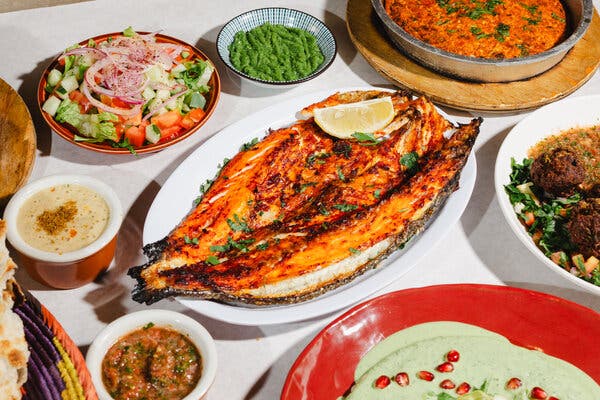
The Foundations of Yemeni Cuisine: A Culinary Map
Yemeni food reflects the country’s diverse landscape, spanning highlands, coastal regions, and vast deserts. The cooking methods are rooted in tradition, favoring slow, moist heat and earthen ovens. This approach generates deeply flavored, tender meats and rich, satisfying stews. The use of the tannour or taboon oven is central to the national culinary identity.
Regional Differences in Yemeni Cooking
Cuisine in the high plateau regions, such as Sana’a, focuses heavily on stews and thick, leavened breads. Dishes like Saltah are central to this highland identity. They provide necessary warmth and sustenance in the cooler mountain air. The food is robust and communal.
Coastal areas, like Aden, feature more seafood and lighter preparations. Rice is a much more common staple there than in the highlands. Influences from India and East Africa introduce curries and vibrant color palettes. These distinctions offer variety across any comprehensive yemeni restaurant menu.
The Core Spice Palette: Hawaij and Beyond
The true soul of Yemeni cooking is found in its aromatic spices. The master blend, known as Hawaij, is essential. It typically contains black pepper, cardamom, turmeric, and cumin. This mixture is used for both meats and soups.
Sweet Hawaij, used for coffee and desserts, includes ginger, cinnamon, and cloves. The flavors are warm, earthy, and aromatic, yet rarely overtly spicy. This nuanced approach allows the quality of the main ingredients to shine through.
Navigating the yemeni restaurant menu: Starters and Soups
A traditional Yemeni meal is a multi-course experience built on layers of flavor and texture. It always begins with essential accompaniments and comforting, clear soups. These elements prime the palate for the heavy main courses.
The Indispensable Bread: Malawach and Khobz
Bread (Khobz) is not a side dish; it is the primary utensil. It is used to scoop up every bite of food. Malawach is a flaky, layered flatbread, similar to a croissant in texture but denser. It is often served with honey or dipped into stews.
Another popular bread is Lahooh, a spongy, fermented flatbread resembling a large Ethiopian injera. It has a slightly sour tang. The quality of a Yemeni restaurant is often judged first by the authenticity of its daily bread.
Soups That Define Comfort: Maraq
Maraq refers to a traditional, clear meat broth. It is typically derived from the slow cooking of lamb or goat bones. This soup is served hot at the beginning of the meal. It is light, deeply flavorful, and seasoned simply with pepper and maybe a touch of cilantro.
This broth is considered highly nutritious and restorative. It is the purest expression of the meat’s flavor. The yemeni restaurant menu usually lists it under appetizers or starters.
The Crown Jewels: Main Course Specialties
The heart of the yemeni restaurant menu lies in its slow-cooked, deeply tender meat dishes. These are prepared using ancient techniques that utilize underground heat or sealed clay pots. The result is fall-off-the-bone meat, unmatched in its tenderness.
The Art of the Slow Cook: Haneeth and Mandi
Haneeth is a majestic preparation of lamb, often a shoulder or whole leg. The meat is spiced with Yemeni spices, then wrapped and cooked for many hours in a taboon. This is an earthen pit or oven. The slow cooking melts the collagen, producing meat that requires no knife.
Mandi is a similar, iconic dish, usually involving spiced chicken or lamb. It is traditionally cooked in a specialized tannour oven. The meat and rice are cooked together in the pit, often separated by a metal mesh. This allows the fat and juices to drip onto the rice below, flavoring it completely. The presentation is as important as the taste.
Saltah and Fahsa: The Volcanic Stews
Saltah is widely considered the national dish of Yemen. It is a hearty brown stew that is simmered in a stone bowl called a hoqah. The key ingredient is hulbah, a frothy condiment made from fenugreek. This fenugreek gives the stew a distinct, slightly earthy flavor and a unique texture.
Fahsa is a variation of Saltah, often featuring shredded lamb or veal cooked with the same spices. It is served bubbling hot in its hoqah. The intense heat from the stone bowl continues to cook the stew at the table. This adds a dramatic element to the dining experience.
Beyond Lamb: Chicken and Seafood Options
While lamb and goat dominate the highland menus, chicken is also prominently featured. Aseeda is a heavy dish of cooked dough, often served with a chicken or vegetable stew. It is a dish of simple, rustic elegance.
For those near the coast, the menu often includes grilled or baked fish. The fish is typically marinated in strong regional flavors, like tamarind and black pepper. It provides a contrast to the richness of the main meat courses.
Side Dishes and Condiments: Completing the Meal
No Yemeni meal is complete without its specific condiments and rice dishes. These provide textural contrast, heat, and freshness, elevating the rich main dishes. They demonstrate the cuisine’s mastery of simple, yet potent, flavor combinations.
The Fiery Side of Yemen: Sahawiq
Sahawiq is the essential Yemeni chili paste or salsa. It is crucial for balancing the richness of the main courses. It is typically made from fresh cilantro, garlic, green chiles, and sometimes tomatoes. This paste is ground into a fine, bright green sauce.
There are many regional variations, but a proper Sahawiq should deliver a sharp burst of freshness and heat. Diners mix small amounts of it into their stew or dip their bread directly. It is a necessary addition to any authentic Yemeni dining table.
Rice Varieties and Their Importance
Rice preparation is subtle but vital in Yemeni food. It is often cooked with oil, spices, and sometimes raisins or carrots. This creates a fluffy, aromatic base. The most prized rice is the one cooked beneath the Mandi meat, fully saturated with the drippings.
White Basmati rice is common, but it is never bland. It is lightly spiced to complement the main course, not overpower it. This careful approach to staple foods shows the depth of the cooking tradition.
A Sweet Conclusion: Yemeni Desserts and Beverages
The meal concludes with simple, yet deeply satisfying, sweets and ritualized beverages. Yemeni desserts often utilize honey, nuts, and clarified butter (Samen). They provide a warm, soothing finish.
Bint Al Sahn: The Honeyed Delight
Bint Al Sahn translates literally as “Daughter of the Plate.” It is perhaps the most famous Yemeni dessert. It is a multi-layered pastry, similar to Malawach but baked until airy and golden. It is brushed with clarified butter.
It is served drenched in pure, local honey, and sometimes sprinkled with Nigella seeds. The texture is flaky and delicate, contrasting with the dense, sticky sweetness of the honey. Sharing this dessert is a sign of hospitality.
The Ritual of Coffee and Tea
Yemen has a profound history with coffee, being one of the first regions to cultivate and trade it globally. Qishr is a traditional hot beverage made not from the coffee bean, but from the husks. It is brewed with ginger and cinnamon. This drink is light, earthy, and aromatic.
Black tea (Shahi) is also ubiquitous, served strong and sweet. It often contains mint or cardamom. The serving of these drinks marks the formal end of the communal feast. This beverage tradition is a quiet, reflective punctuation to the complex meal.
The journey through the yemeni restaurant menu is an immersion into a unique culinary heritage. It is defined by slow cooking, potent Yemeni spices, and a deep respect for natural flavors. Dishes like Saltah and Haneeth offer historical depth and complex, satisfying flavors. This cuisine requires attentive exploration, rewarding the diner with an authentic taste of the Arabian Peninsula.
Last Updated on November 29, 2025 by Alex Cesaria

Alex Cesaria is the creative force behind Nomad Girl, an all-day café and ristorante with a signature Milanese flair located in the heart of Nomad, New York City. With years of experience in the hospitality industry, Alex blends refined Italian sensibilities with New York’s energetic dining culture to create a place that feels both elegant and welcoming.