
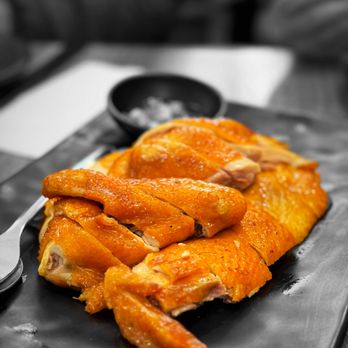
For those researching their next authentic Asian dining destination, a detailed look at the win’s restaurant menu is essential. This analysis moves beyond simple listings to assess the Authentic Cantonese Seafood offerings, overall Pricing and Value, and the complete spectrum of options from the main courses to the unique complimentary desserts. Understanding the full scope of the menu, from Signature Combo Dishes to the weekday Dessert and Noodle Options, is key for planning an optimal meal. This deep dive into the offerings and the general Dining Experience and Service provides an E-E-A-T-focused review for potential patrons.
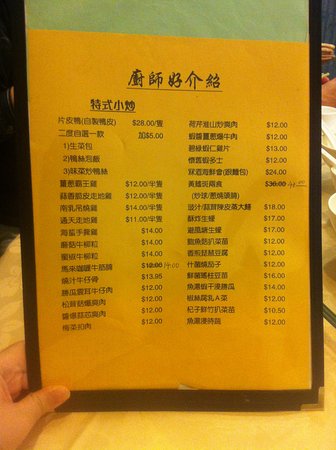
A Comprehensive Analysis of Win’s Signature Combo Dishes
Win’s Restaurant excels in providing multi-course, fixed-price menus designed for group dining. These combo dishes represent the pinnacle of their Authentic Cantonese Seafood tradition. The combos offer a streamlined way to sample a variety of premium and classic dishes. Patrons frequently opt for these packages, especially during peak dining times or family celebrations. The kitchen’s speed in preparing these multi-item orders is a notable operational efficiency.
Combo packages simplify ordering for large parties. They promise a balance of soup, protein, vegetables, and seafood specialties. This structure caters effectively to traditional Chinese family-style dining. The fixed price helps patrons manage their budget for special events. The perceived value of these packages is often the primary factor driving their popularity among diners.
The Anatomy of the $150 Combo F: Seafood, Abalone, and Value
The $150 Combo F, designed for four people, stands out as a focal point of the win’s restaurant menu. This specific combination includes several premium items. Featured components are Seafood Soup, Spicy Deep Fried Lobster, Steamed Bass, and Braised Goose Feet with Abalone. The menu is rounded out with Clams and Real Dry Crab Meat with Snow Pea Leaves.
The Braised Goose Feet and Abalone is frequently cited for its excellence. The dish features a flavorful, rich sauce that clings to the soft ingredients. The goose feet are reported to be exceptionally tender, falling easily off the bone. This indicates a mastery of traditional braising techniques in the kitchen.
A crucial point for patrons is the abalone quantity and sizing. While the menu may state “eight head abalone,” this refers to the size classification, not the number of pieces. This distinction is vital for managing expectations regarding the actual Pricing and Value received. The steamed bass is praised for its precision cooking. The meat is tender and fully cooked, highlighting the chef’s expertise with delicate seafood.
The Spicy Deep Fried Lobster is a visually impressive centerpiece. It usually contains one whole lobster, accompanied by deep-fried fish and minced pork. While delicious, its deep-fried nature and spiciness are points of caution for some diners. The intensity of the spice level may be higher than expected. This specific dish contributes significantly to the overall filling nature of the combo meal.
Navigating the A La Carte Specialties: Lobster, Bass, and Eel Pricing
The a la carte section of the win’s restaurant menu offers flexibility beyond the set combos. Here, diners can select individual specialties like lobster, bass, and eel based on their preference and budget. This section highlights the restaurant’s commitment to premium, individually prepared seafood.
Individual abalone dishes are available for a significant per-person price. For example, the “abalone 6 head” is priced at $25 per person. This structure guarantees each diner their own premium portion. This pricing model suggests a high level of quality and sourcing for the abalone. This ensures the restaurant can maintain consistency in its high-end offerings.
The A-green vegetable with XO sauce and calamari is a recommended vegetable side. It is noted for its very tasty and savory profile. The inclusion of high-quality sauces like XO reflects an adherence to sophisticated Cantonese culinary standards. These specialty side dishes demonstrate the breadth of the kitchen’s capability. They are not merely afterthoughts but carefully constructed complements to the main protein dishes.
The Peking Duck, however, receives mixed feedback. It is described as being more akin to a dated BBQ duck than the traditional crisp-skinned specialty. This dish may not represent the restaurant’s strongest culinary point. Patrons focused on authentic Peking Duck preparation might prefer to select other menu items. This disparity suggests some inconsistency in the execution of non-seafood specialties.
Win’s Menu Breakdown: The Noodle Bar and Budget-Friendly Lunch Options
Win’s Restaurant offers more accessible items, expanding the menu beyond premium dinner options. The establishment caters to the lunch crowd with a variety of staple noodle and rice dishes. These options provide a different facet of the win’s restaurant menu, emphasizing speed and affordability. This ensures a wider appeal for everyday dining.
The lunch menu provides a significant contrast to the expensive dinner combos. This duality is important for the restaurant’s commercial strategy. It draws in a more frequent and local clientele during the day. This provides a steady revenue stream outside of the special occasion dining segment.
The Quest for the Perfect Fish Ball Noodle Soup
Fish ball noodles are a cornerstone of the lunch service. A typical order is competitively priced at around $7.50. This price often includes fried fish skin and a drink, representing excellent short-term Pricing and Value. The value proposition for this dish is very strong for a quick lunch.
The quality of the fish ball noodles elicits diverse reactions. Some diners find the fish balls lack the desired springiness and bounce. The fish soup base is sometimes described as weak, lacking the necessary salt and intense flavor. This feedback highlights the subjective nature of Cantonese cuisine preferences. Many connoisseurs prefer a stronger, more pronounced fish flavor in their soup.
However, the dish remains a popular choice for those craving this classic comfort food. It may simply cater to a palate that prefers less intense flavors. The price point makes it an undeniably attractive option for a workday lunch. The addition of the crispy fried fish skin is a popular texture component.
Quick Lunch Staples: Curry Rice and Crispy Fish Skin
Other lunch items further showcase the menu’s versatility. Curry with rice is another reliable and satisfying option. The curry is noted for being spicier than anticipated. This heat profile, when balanced with plain white rice, offers a satisfying, hearty meal.
The crispy fish skin is a favorite across multiple dishes. Patrons enjoy dipping it briefly in the soup before eating. This technique allows the skin to absorb moisture and flavor without becoming fully soggy. This textural contrast is a valued element of the dish. It demonstrates how simple components can elevate a seemingly basic noodle or soup order.
These lunch staples provide a necessary balance to the high-cost seafood items. They maintain the Cantonese theme while offering an entry point for casual diners. They reinforce the idea that the win’s restaurant menu is comprehensive. It addresses both special event dining and routine daily meals.
The Commercial Value Proposition: Assessing Pricing and Value Against Expectations
The ultimate success of any restaurant hinges on the perception of Pricing and Value. Win’s presents a mixed bag in this regard, according to diner feedback. While the food quality is generally good, the price-to-portion ratio, especially for premium items, is a recurring theme in the critique. This commercial assessment is crucial for patrons planning a visit.
The restaurant is located off the main streets, suggesting it relies on word-of-mouth rather than high-traffic visibility. This positioning often implies a focus on quality over volume. However, the use of plastic dishes, even with decent quality seafood, detracts from the perceived high-end Dining Experience and Service. Such operational choices can negatively impact the final value assessment.
Comparing the Cost of Premium Seafood: Lobster and Abalone Portions
The $150 Combo F, while featuring high-value items, is sometimes criticized for its portion size. Specifically, the amount of seafood, like the lobster, is considered small relative to the price. This observation is key when comparing Win’s to other established Chinese or Cantonese seafood restaurants. Competitors may offer better portion sizes for similar price points.
The $25 per-person abalone dish, featuring the 6 head size, is a premium offering. This price is justified by the ingredient’s expense and scarcity. Yet, even here, a diner’s subjective assessment of quality must meet high expectations. The ability to source and prepare these premium ingredients is a clear marker of culinary expertise. This is a point of strength for the restaurant’s E-E-A-T.
The contrast between the high-priced dinner combos and the budget-friendly lunch is striking. This makes the win’s restaurant menu appeal to a wider financial spectrum. However, a significant gap in perceived value can exist between these two tiers of service. This forces potential diners to carefully consider their dining intent.
The Hidden Costs of Dining: Service Standards and Quality Consistency
Service quality, a critical component of the overall Dining Experience and Service, is a major area of concern. Reports detail service as ranging from average to “atrocious.” Wait times for drinks requiring multiple requests are noted, which is a significant service failure. Unfriendly staff and overheard arguments with customers further damage the professional image.
The kitchen’s operational speed is a positive counterpoint. Orders are processed very quickly, suggesting an efficient back-of-house operation. However, the inability to accommodate a simple order change, even minutes after placing it, points to rigidity in the system. While fast food delivery is good, it cannot fully compensate for poor front-of-house interactions.
Consistency in dish quality is another factor in the commercial assessment. The lack of crispiness in certain deep-fried components, like the “little fishies,” and a ‘glutinous’ sauce texture are noted drawbacks. These small inconsistencies in execution diminish the overall perception of value, regardless of the quality of the raw ingredients. The restaurant must address these service and execution issues to fully justify its Pricing and Value proposition.
Beyond the Entrees: Win’s Unique Complimentary Dessert Selection
A unique aspect of the win’s restaurant menu is the provision of complimentary Chinese desserts. This practice adds a layer of traditional hospitality to the meal. It moves beyond the typical red bean soup offered at many similar establishments. This small detail significantly enhances the Dining Experience and Service.
The dessert selection serves as a thoughtful final touch to the meal. It helps cleanse the palate and provides a sweet, authentic ending. The perceived scarcity of the dessert options, however, can lead to disappointment. Patrons should consider dining earlier to ensure full availability.
Reviewing the Traditional Chinese Dessert Choices and Availability
The complimentary Dessert and Noodle Options include traditional choices. Black sesame, almond, walnut, ‘tofu flower’, and a turtle-based option are usually offered. These are distinctly Chinese and not standard Western desserts. They showcase a commitment to culinary authenticity.
The ‘tofu flower’ (douhua) and the turtle shell jelly (guilinggao) are particularly noteworthy. These are specialized desserts that require specific preparation. However, availability can be limited, especially later in the evening. Running out of popular choices like walnut and ‘tofu flower’ by 8:30 PM is a common occurrence. This shortage can slightly mar the conclusion of an otherwise substantial meal.
Patrons should confirm the availability of their preferred dessert upon ordering their main courses. This pre-emptive measure can help manage expectations. Despite the occasional limited choices, the inclusion of five distinct, high-quality complimentary desserts remains a strong positive for the overall value.
The Atmosphere and Amenities: Service, Reservations, and Private Dining
The restaurant’s physical characteristics contribute to the Dining Experience and Service. It is situated in a location slightly hidden from the main streets. This gives it the feel of a local, discovered “hidden gem.” This off-the-beaten-path atmosphere is appealing to some diners.
The restaurant is well-equipped for various groups and events. They offer private dining rooms, making it a viable option for private gatherings or dinner meetings. They also provide free Wi-Fi, a modern amenity appreciated by many diners. These features position the establishment as a versatile venue.
Reservations are highly recommended, especially on busy nights like holidays. The high volume of traffic during peak times, such as the Mid-Autumn Festival, necessitates booking ahead. While the kitchen handles the volume with speed, the front-of-house service appears to struggle under the pressure.
In summary, the win’s restaurant menu offers a spectrum of dishes. This ranges from expensive, high-quality Signature Combo Dishes to budget-friendly, casual lunch items. The restaurant’s Authentic Cantonese Seafood is mostly well-regarded. However, the restaurant must reconcile its premium pricing with the reported shortcomings in Dining Experience and Service. A focus on service consistency and adherence to stated portion sizes will solidify its Pricing and Value proposition.
Last Updated on November 28, 2025 by Alex Cesaria

Alex Cesaria is the creative force behind Nomad Girl, an all-day café and ristorante with a signature Milanese flair located in the heart of Nomad, New York City. With years of experience in the hospitality industry, Alex blends refined Italian sensibilities with New York’s energetic dining culture to create a place that feels both elegant and welcoming.