
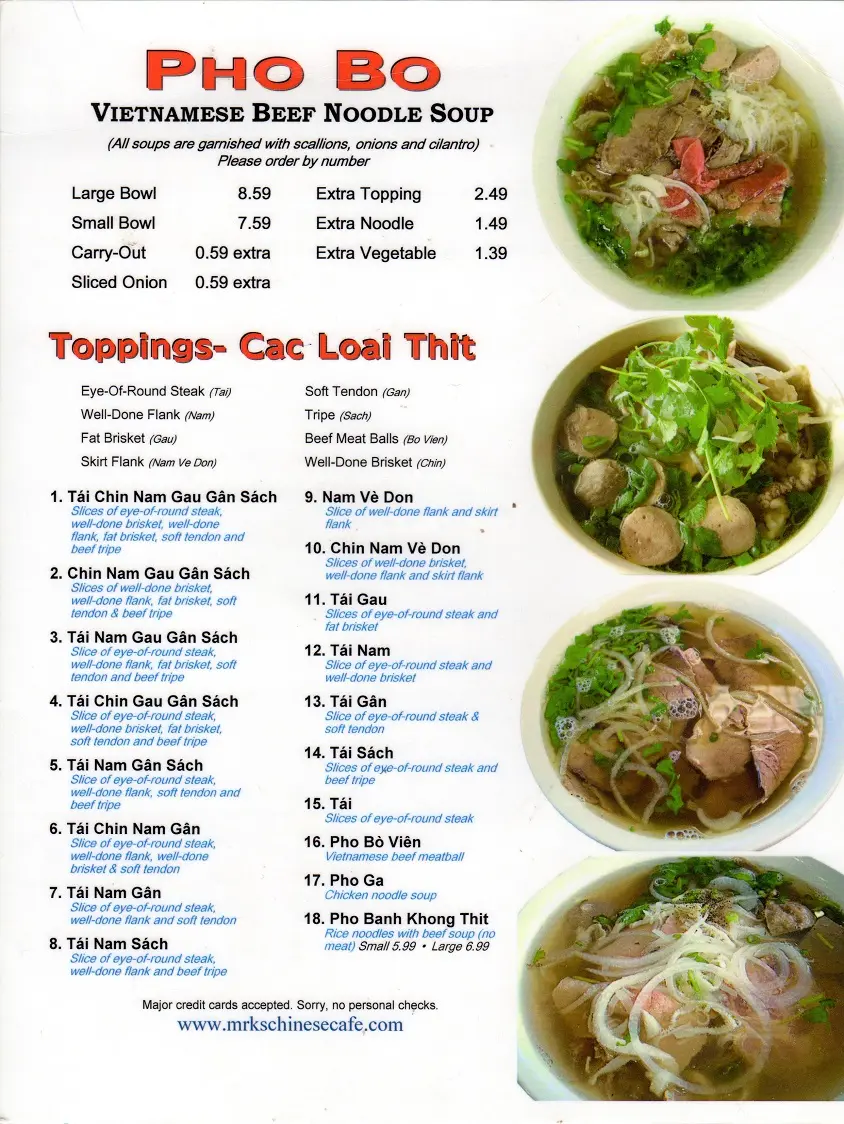
Navigating an vietnamese pho restaurant menu can be an intimidating yet deeply rewarding experience for the uninitiated diner. This traditional Vietnamese soup, with its complex beef broth and delicate balance of spices, is a hallmark of the nation’s culinary tradition and a staple of global comfort food. To truly appreciate this dish, one must move beyond simply selecting a random bowl and instead understand the integral components that define phở. Our guide will provide the necessary knowledge to confidently explore the variations, from the crucial choice of noodle thickness to utilizing the essential condiment plate, ensuring a gratifying meal that highlights the dish’s distinct regional style.
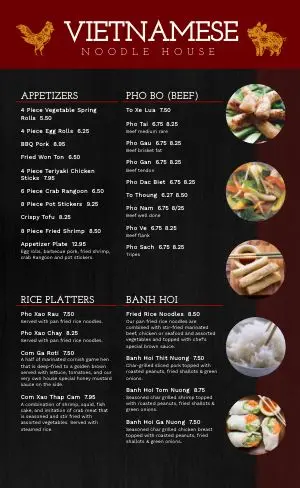
The Anatomy of a Vietnamese Pho Menu
A Vietnamese Pho restaurant menu is meticulously structured, offering patrons specific control over their dining experience. It is not merely a list of dishes, but a systemized breakdown that categorizes the soup based primarily on protein and cut. Understanding this categorization is the first step toward ordering like an expert. This structure reflects the precision and intent behind Vietnamese cooking.
Naming Conventions: Phở Bò and Phở Gà
The fundamental distinction on any Pho menu is between Phở Bò and Phở Gà. Phở Bò signifies beef Pho, which is the overwhelmingly popular and traditional choice. Phở Gà refers to chicken Pho, a lighter, often simpler variation. These simple designations establish the base protein.
The traditional preference for Phở Bò stems from its deep, savory flavor, achieved by simmering bones for extended periods. This rich extraction is what gives the dish its signature depth. Conversely, Phở Gà offers a subtle, cleaner profile that highlights the delicate spices.
Understanding the Cuts of Beef
The complexity of Phở Bò lies in the customizable cuts of beef available, each contributing a unique texture and fat content to the bowl. Common menu terms are abbreviations for different preparations and textures. Diners often combine several cuts for a layered experience.
The most common option is Tái (rare steak). Thin slices are placed raw over the noodles and cooked perfectly by the heat of the boiling broth. Other key components include Nạm (flank steak), which provides a pleasant chewiness, and Gầu (brisket), prized for its balanced fat content.
Beyond the standard cuts, adventurous diners may opt for Gân (tendon) or Sách (tripe). These elements are slow-cooked until tender, adding textural contrast. A mixed bowl, or Phở Đặc Biệt, is an excellent way to sample a comprehensive variety of textures and flavors.
The Foundation: Broth, Noodles, and Herbs
The quality of the Pho hinges entirely on the integrity of its three core components: the broth, the noodles, and the fresh herb selection. These elements must work in absolute harmony. The soup is an exercise in balancing strong savory and sweet notes against the clean sharpness of fresh greens.
The Art of the Beef Broth
The broth, or nước lèo, is the soul of Pho and represents the pinnacle of Vietnamese culinary art. An authentic and flavorful broth is achieved by painstakingly simmering beef marrow bones for a minimum of eight to ten hours. This long process extracts both collagen and deep umami flavors.
The characteristic aroma of the broth comes from a specific blend of toasted spices. Cinnamon, star anise, black cardamon, cloves, and coriander seeds are gently charred and then added to the simmering stock. Fresh ginger and onions are also charred, contributing a smoky, aromatic sweetness that defines the finished product. This careful preparation is what separates a mediocre bowl from an exceptional one.
The Critical Role of Rice Noodles (Bánh Phở)
The noodles, bánh phở, are flat rice noodles that serve as the main conduit for the broth’s flavor. The noodle thickness is an important detail that affects the overall texture of the dish. They are typically fresh and slightly slippery, providing a smooth contrast to the chewy beef.
The preparation of the noodles is crucial. They are briefly blanched in boiling water just before serving to achieve a perfect, al dente texture. Overcooked noodles absorb too much broth and become mushy. The proper texture ensures the noodles retain a slight springiness throughout the meal.
Freshness and Fragrance: The Essential Herb Plate
No bowl of Pho is complete without the accompanying plate of fresh herbs and garnishes. These additions are not mere side decorations; they are integral to the dish’s flavor profile. They introduce a necessary layer of freshness and aromatic complexity.
Common garnishes include fresh basil (Thai basil, or húng quế), mint, thinly sliced white onion, cilantro (ngò), and lime wedges. The fresh condiment plate always features crisp bean sprouts (giá). The heat of the broth wilts the sprouts slightly, giving them a softened crunch that balances the smooth noodles.
Navigating Regional Styles: North vs. South
The vietnamese pho restaurant menu often hides a subtle but significant distinction: the regional style. Pho originated in Northern Vietnam but evolved dramatically after migrating south. Recognizing these regional variations allows the diner to better appreciate the depth of the dish’s culinary tradition.
Northern Style (Phở Bắc): Minimalism and Clarity
Northern Pho, or Phở Bắc, is the original and more minimalist version of the soup. This style places the highest emphasis on the clarity and purity of the beef broth. The spice blend is often lighter, allowing the natural flavor of the simmered beef to dominate.
Northern restaurants typically serve Pho with wider noodles and far fewer garnishes. The herb plate is often limited to a simple sprinkle of green onions and cilantro. Sauces like hoisin and sriracha are seldom added directly to the bowl. The goal is a clean, unadulterated taste of the expertly made broth.
Southern Style (Phở Nam): Richness and the Condiment Plate
Southern Pho, or Phở Nam, is the version most commonly found in Vietnamese restaurants outside of Vietnam. This style is characterized by a richer, sweeter broth and a more liberal use of spices. The southern preference for sweetness often involves a hint of rock sugar in the broth.
The southern style embraces the condiment plate fully. A generous assortment of herbs, bean sprouts, and various sauces is standard. Diners are encouraged to customize their bowl aggressively. This style reflects a broader, more relaxed approach to the dining experience.
Mastering the Pho Dining Experience
Ordering a bowl of Pho is only half the experience; consuming it correctly is an art form. The Pho dining experience is an interactive process that requires the diner to season the soup to their exact preference. This is where the condiment plate truly shines.
The Condiment Plate: Hoisin, Sriracha, and Lime
The provided sauces, hoisin and sriracha, are essential for customizing the flavor. Hoisin sauce, a thick, sweet-and-savory paste, adds depth and richness. Sriracha, the well-known chili sauce, provides heat and a punch of garlic.
Traditionally, these sauces are not meant to be dumped into the entire bowl of precious broth. Instead, they should be squeezed onto a small side dish for dipping the pieces of meat. A squeeze of fresh lime juice, however, is often added directly to the broth to introduce a balancing acidity.
Proper Pho Etiquette
While a relaxed meal, there are subtleties to proper Pho consumption that enhance the experience. The broth should be the first thing tasted. A small sip allows the diner to appreciate the chef’s work before any modifications are made.
The use of chopsticks and a spoon is standard. Chopsticks are used for the noodles and meat, while the large, round spoon is used exclusively for sipping the broth. It is common and acceptable to lift the bowl to the mouth for the final sips of the remaining beef broth.
Pho as Global Comfort Food
Pho’s global appeal lies in its fundamental identity as a complex, yet universally satisfying, comfort food. Like chicken soup in other cultures, Pho offers both nutritional value and a deeply soothing warmth. The dish has evolved from a local street food into a global phenomenon.
Nutritional Profile and Health Benefits
From a health perspective, Pho is an excellent and light meal. The broth, a primary component, is low in fat and rich in gelatin, minerals, and flavor-enhancing compounds. It is essentially a nutritious bone stock, which has documented benefits for gut health.
The inclusion of lean proteins (rare steak, chicken) and a multitude of fresh herbs further enhances the nutritional value. The various fresh greens provide essential vitamins, antioxidants, and a light texture. This makes it an appealing choice for a light lunch or a restorative meal.
Pho’s Place in Culinary Tradition
The culinary tradition surrounding Pho is a testament to the resilience and depth of Vietnamese culture. The dish carries with it the history of French colonialism (the beef) and ancient Chinese influence (the spices). Every element of the soup has a story.
Pho’s place as a national dish is solidifying its status worldwide. The careful preparation, the depth of the flavor, and the interactive consumption ritual all contribute to its enduring legacy. It is a symbol of Vietnamese ingenuity and a global favorite.
The journey through the vietnamese pho restaurant menu is one of discovery and refinement. The immense effort put into creating the foundational beef broth, the strategic use of textures and herbs, and the deliberate structure of the ordering system are all hallmarks of a sophisticated culinary tradition. Armed with this detailed knowledge, patrons can move past basic selections to truly appreciate and order the rich, flavorful, and uniquely customizable bowl of Pho.
Last Updated on December 4, 2025 by Alex Cesaria

Alex Cesaria is the creative force behind Nomad Girl, an all-day café and ristorante with a signature Milanese flair located in the heart of Nomad, New York City. With years of experience in the hospitality industry, Alex blends refined Italian sensibilities with New York’s energetic dining culture to create a place that feels both elegant and welcoming.