
The concept of umami, the fifth taste, is rapidly moving from a niche culinary idea to a foundational element of modern flavor architecture. Mastering the art of the umami restaurant menu is now a critical step for brands seeking competitive advantage in a crowded market. This intense, savory profile offers depth and completeness to dishes that simple salt and fat cannot match, driving customer satisfaction and menu innovation. For commercial kitchens, understanding how to intentionally and consistently deploy compounds like glutamates is essential.
Understanding Umami: The Science of the Fifth Taste
Umami is the Japanese term for a distinct savory taste, often described as meaty or broth-like, which registers deeply on the palate. Discovered scientifically in the early 20th century, umami is primarily triggered by the presence of glutamate, a naturally occurring amino acid. When correctly applied, this flavor deepens the overall food experience. Its inclusion transforms simple dishes into more complex, satisfying culinary creations.
The Chemical Basis of Umami: Glutamates and Nucleotides
Monosodium glutamate, or MSG, is the most famous pure form of this taste, but it is one of many naturally occurring glutamates. Beyond simple glutamate, the true power of umami often lies in its synergy with ribonucleotides like inosinate and guanylate. This pairing creates a flavor explosion far greater than the sum of its parts. This synergistic effect is why certain classic food pairings, such as beef and mushrooms or cheese and tomatoes, are universally appealing.
The chemical interaction amplifies the savory sensation by several fold. Chefs intentionally use ingredients rich in both to build more complex and memorable flavor profiles. This scientific approach elevates the simple creation of an umami restaurant menu to a form of sophisticated flavor engineering. Understanding this synergy is key to developing high-performing, savory dishes.
Primary Natural Sources of Umami
Umami can be found across a vast array of global ingredients, primarily those that have undergone processes like aging or fermentation. These methods naturally break down proteins into their component amino acids, releasing concentrated glutamates. Classic examples include aged Parmesan cheese, cured meats, sun-dried tomatoes, and various types of mushrooms. Seaweed, particularly kombu, is a rich source used to create dashi, a cornerstone of Japanese cuisine.
Fermented soybean products like soy sauce, miso, and natto are also potent umami agents. The increasing popularity of these ingredients reflects a broader consumer desire for deep, fermented flavors. This trend shows that customers are now more receptive to authentic and powerful savory components. The sourcing and utilization of these natural compounds become a strategic focal point for menu developers.
Strategic Deployment of Umami on the umami restaurant menu
Intentional umami deployment is a sophisticated strategy that goes beyond simply sprinkling MSG onto a dish. It involves thoughtful ingredient pairing and preparation techniques. Chefs must consider the entire flavor arc of a dish, using umami to anchor and complete the profile. The goal is to maximize the perception of depth without overwhelming the other core tastes.
The Role of Fermentation and Aging in Flavor Development
Fermentation and aging techniques are centuries-old methods for developing intense umami flavor. These processes are not merely for preservation but are essential for deep flavor extraction. For example, the lengthy aging process in traditional hard cheeses or dry-cured hams concentrates glutamates dramatically. This allows a small amount of the ingredient to deliver a massive flavor impact.
Modern commercial kitchens are adopting faster fermentation techniques or sourcing high-quality, pre-fermented bases. This allows for the consistent application of complex umami notes across a high-volume operation. The focus remains on delivering authentic depth of flavor. This strategic sourcing supports a sophisticated and reliable umami restaurant menu at scale.
Balancing Umami with the Other Four Tastes
A successful dish must achieve a harmonious balance of the five basic tastes: sweet, sour, salty, bitter, and umami. Umami acts as a flavor enhancer, smoothing out rough edges and integrating disparate ingredients. For instance, a touch of acid (sour) can cut through the richness of a highly umami-driven dish, providing necessary contrast. Similarly, a hint of sweetness can mellow and complement the savory depth.
The strategic chef uses umami not as the dominant flavor, but as a silent partner that elevates the entire ensemble. This balance ensures the food is not just tasty but intensely craveable. The careful calibration of these flavors is a hallmark of high-quality, memorable cuisine.
Chili Crisp: The Commercial Harbinger of Umami to the Mainstream
Chili crisp, a crunchy, savory, and tingling oil-based condiment, perfectly encapsulates the commercial adoption of umami principles. This product is a variation of la jiao and traditionally includes crispy chiles, garlic, onion, and often umami boosters such as mushroom powder or Sichuan peppercorns. It offers a trifecta of flavor, texture, and heat. The massive surge in its menu mentions—up 77.8% in one year according to Technomic data—underscores its mainstream ascent.
Shane Schaibly, a corporate chef, commented that chili crisp is a “good, fun, universal condiment” that works perfectly with savory items like eggs. The condiment has successfully transitioned from a “secret weapon of kitchen staff” to a publicly requested, high-performing menu item. This shift indicates a growing consumer confidence and adventurousness regarding intense savory flavors. Chili crisp’s success proves that bold umami-rich products are now widely accepted.
Case Study 1: Breakfast and Brunch Integration (First Watch)
First Watch, a prominent breakfast, brunch, and lunch chain, successfully integrated chili crisp into their Honey Bacon Brussels Hash. This dish, featuring roasted Brussels sprouts, bacon, honey, and herbed goat cheese, uses the chili crisp to provide an essential layer of savory complexity. The robust, slightly bitter flavor of the sprouts stands up well to the intense, complex heat of the crisp.
The initial concern that the flavor profile might be too “polarizing” was unfounded, demonstrating consumer readiness for this level of savory innovation. The condiment’s visual appeal and deep flavor further enhance a dish that is already rich in different textures and tastes. This application showcases umami being used to elevate a traditional American brunch item with a globally inspired twist.
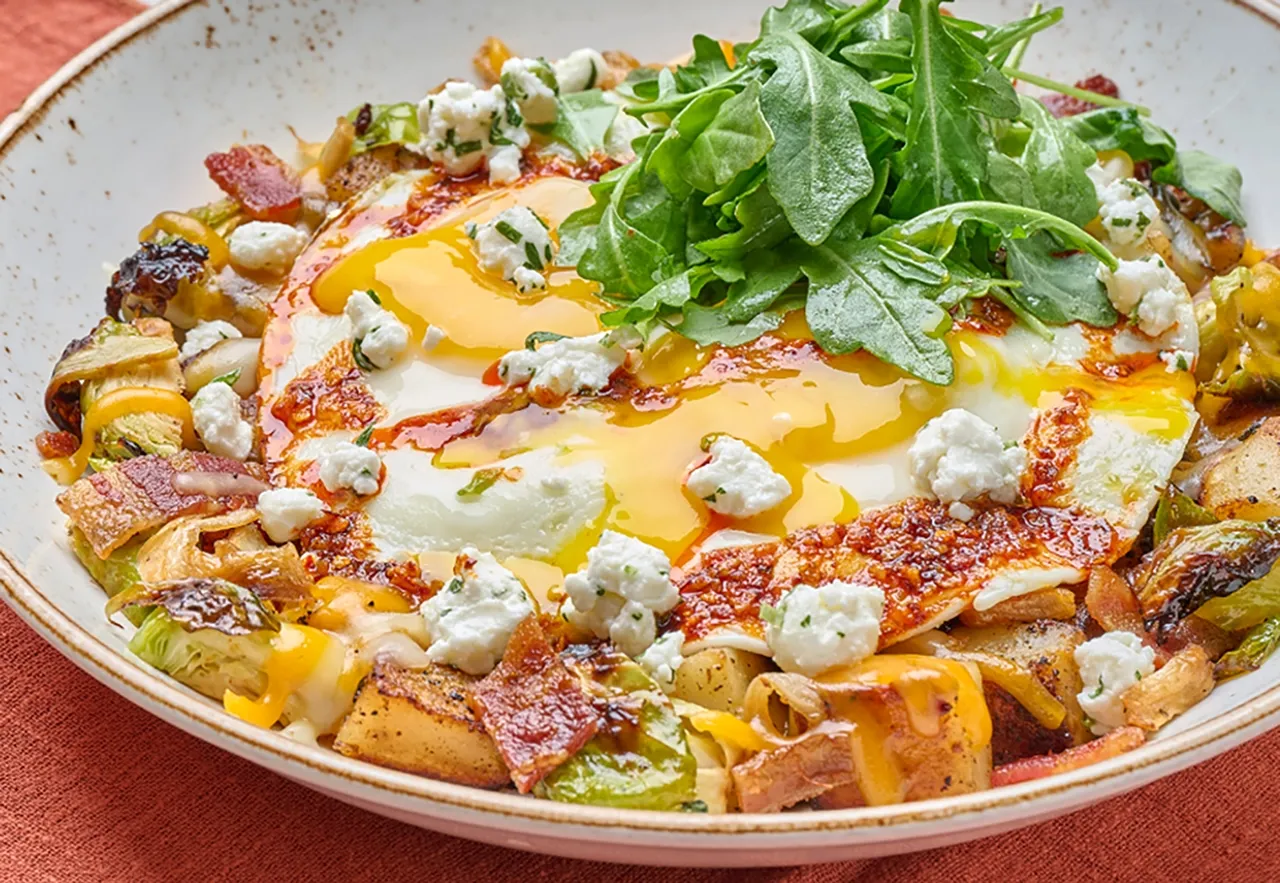 An aerial view of the First Watch Honey Bacon Brussels Hash topped with eggs and a drizzle of chili crisp, highlighting the deep, savory umami restaurant menu strategy
Case Study 2: Fast-Casual Customization (Honeygrow & Moe’s)
Fast-casual chains have leveraged chili crisp’s versatility by offering it as an optional condiment, enabling guest customization. Honeygrow, a stir-fry bowl concept, offers it as a free topping, which their founder and CEO, Justin Rosenberg, stated “exploded” in popularity. It adds a desirable depth, transforming a standard stir-fry into a flavor experience reminiscent of Sichuan dan dan noodles.
Similarly, Moe’s Southwest Grill rolled out a Chili Crisp Chicken LTO, an Adobo Chicken marinated with the chili crisp, their spice blend, and fresh jalapeños. Executive Chef Matt McKinney noted that the “depth of flavor is fantastic,” drawing parallels to the increasingly popular Mexican condiment, salsa macha. This demonstrates how umami-rich products can successfully cross-pollinate global flavor profiles. This strategy allows the customer to control their umami restaurant menu experience.
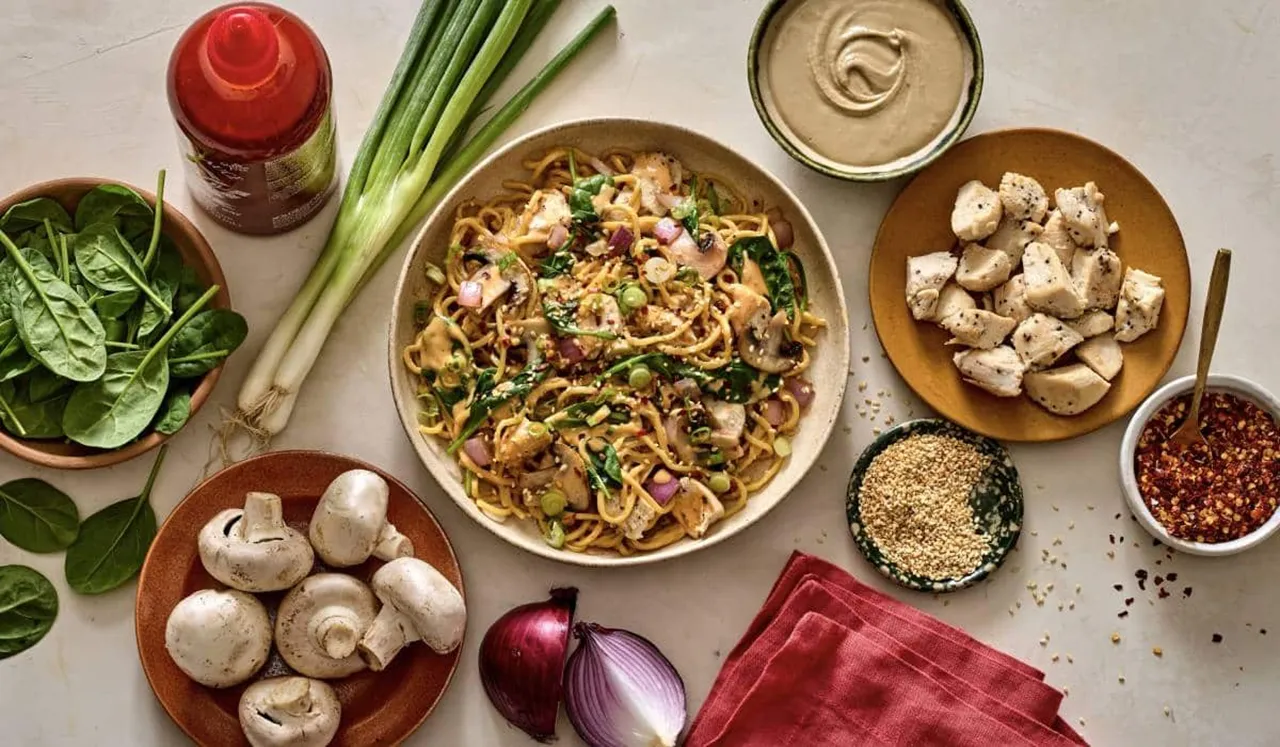 A close-up shot of a fast-casual stir-fry dish from Honeygrow, demonstrating how chili crisp can be optionally added to customize and enhance the umami restaurant menu flavor profile
The success of the Moe’s LTO, performing on par with one of their most successful offerings, validates the commercial appetite for intense umami. The depth and complexity provided by the condiment proved highly motivating for repeat purchase. This is a clear indicator that umami-focused items are powerful sales drivers.
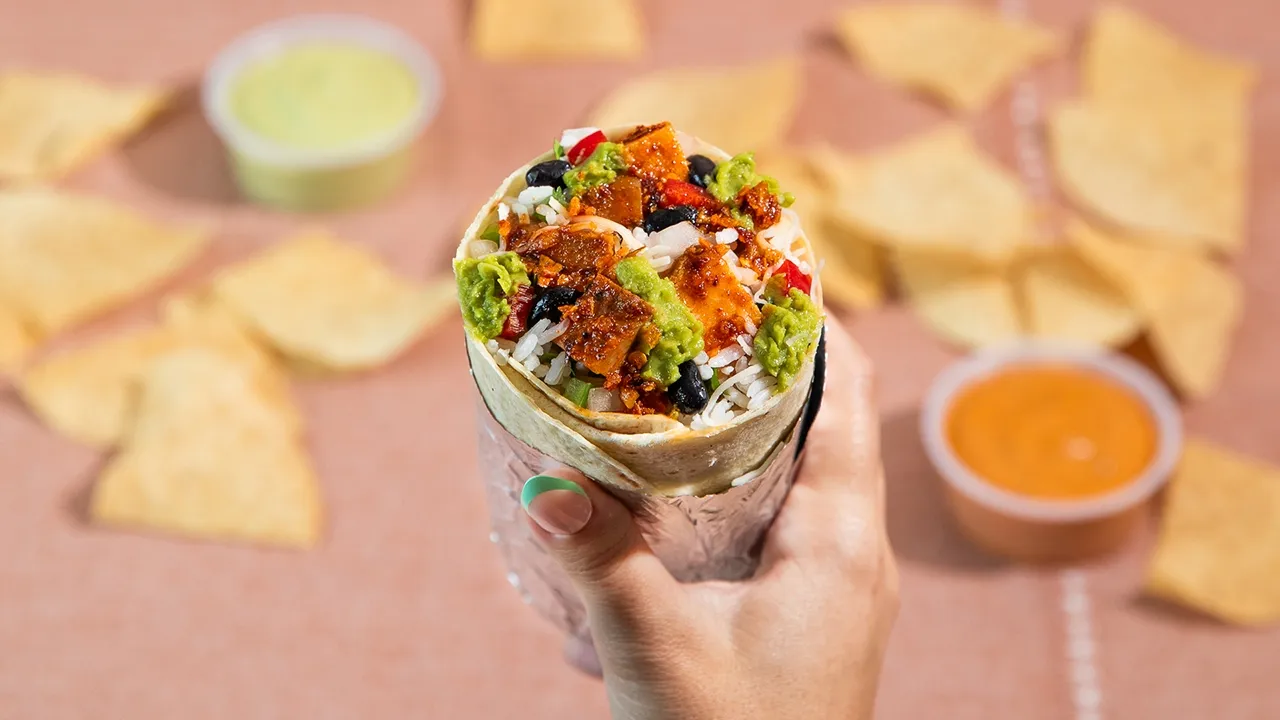 A promotional image of Moe's Southwest Grill Chili Crisp Chicken bowl, showcasing the LTO's integration into a mainstream Tex-Mex-style umami restaurant menu
Case Study 3: Casual Dining and Cross-Cultural Mashups
The application of chili crisp extends across the casual dining spectrum, often resulting in cross-cultural “mashups.” PJW Restaurant Group, operating concepts like The Pour House, makes its own house-enhanced chili crisp, using it to dress Crispy Asian Potstickers. Chef Rich Friedrich calls it a “great universal condiment” with applications ranging from traditional rice dishes to creative mashups like adding it to hummus. This flexible use shows its utility in bridging different culinary worlds.
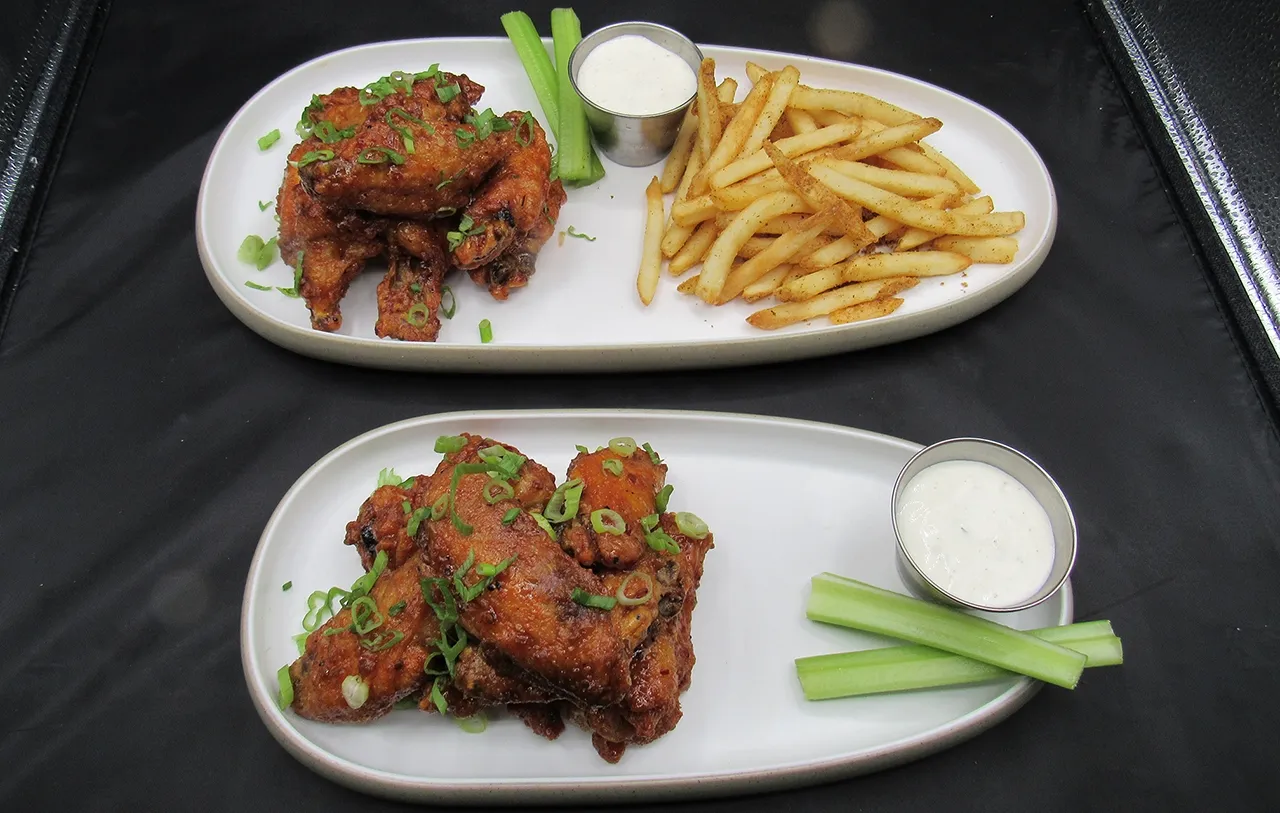
Dave & Buster’s, a large “eatertainment” chain, added chili crisp as part of a wholesale menu revamp. It dresses blistered green beans with ponzu sauce and the Kickin’ Chicken Potstickers, further highlighting its adaptability. David Spirito, the chain’s VP of Food & Beverage, confirmed that successful testing led to further innovation, including Chili Crisp Wings. This rapid expansion in a single chain indicates strong consumer feedback and a strategic commitment to the flavor.
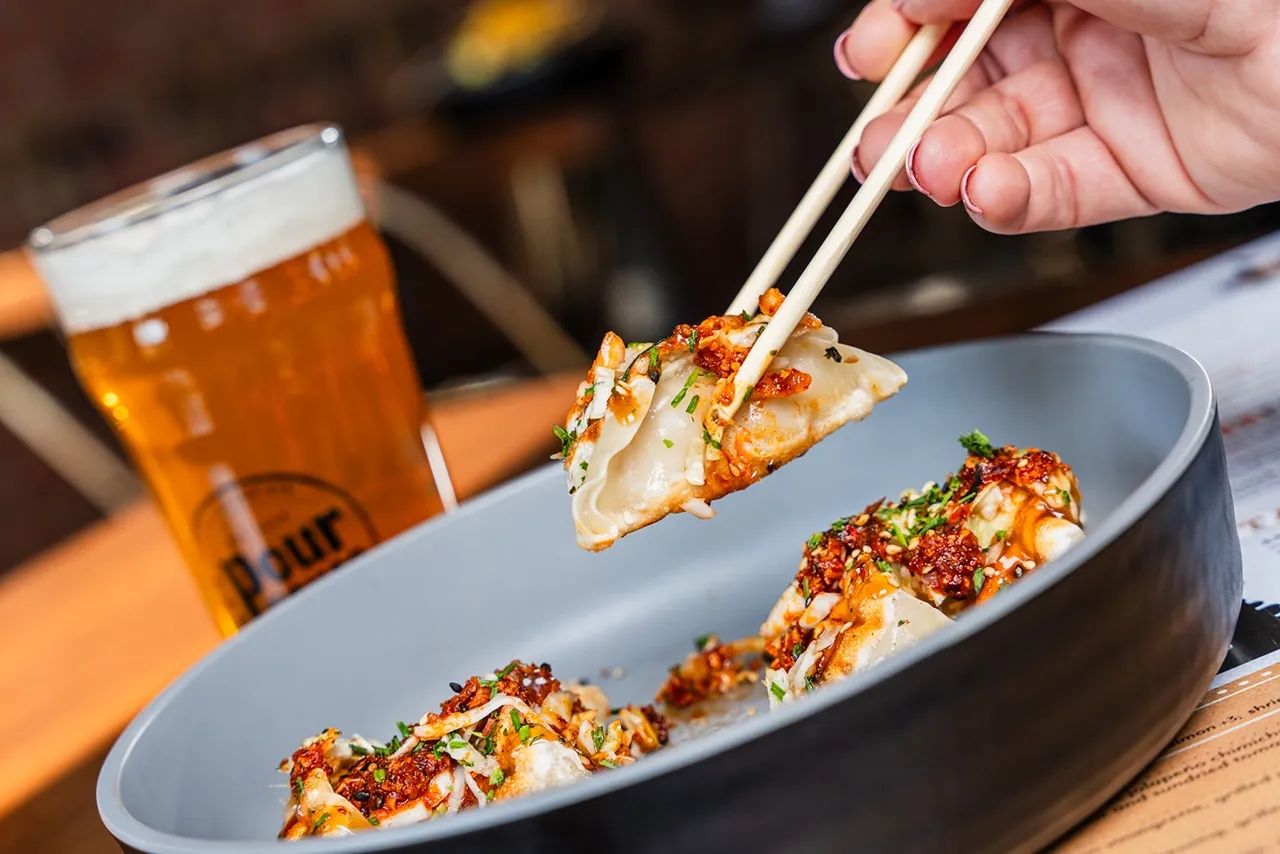 Crispy Asian Potstickers from The Pour House, topped with a custom-made chili crisp, illustrating the integration of intense umami on a casual dining umami restaurant menu
The trend also penetrated the popular wing category, with Twin Peaks introducing it as a wing sauce using a commercial brand, Mr. Bing. PJ Whelihan’s LTO Firecracker Wings with a chili crisp sauce were “extremely well” received, suggesting a likely addition to their core menu. This demonstrates the condiment’s power in driving sales for existing signature items. Even the fast-casual hot dog concept Dog Haus successfully used chili crisp on LTOs, like the Mighty Moa Wings, confirming its versatility across diverse food segments.
 Dave & Buster's Kickin’ Chicken Potstickers with scallions, cilantro, and ponzu sauce, featuring chili crisp as a key element for the umami restaurant menu flavor boost
Beyond the Crisp: Future Trends in Umami Flavor Architecture
The rise of chili crisp is a symptom of a much larger, ongoing culinary shift toward intense, multi-layered savory flavor. This movement requires a sophisticated approach to menu development that anticipates consumer demand for global, complex tastes. Restaurant groups are now exploring and integrating a wider array of umami agents to maintain this flavor edge. This proactive search for new sources of savory depth is what defines a forward-thinking umami restaurant menu.
The Rise of Salsa Macha and Gochujang as Umami Agents
The popularity of chili crisp has paved the way for other culturally significant, umami-rich condiments to gain mainstream traction. For example, salsa macha, a Mexican oil-based condiment made from nuts, seeds, and dried chiles, provides a similar textural and savory depth. Its complex, smoky umami notes are gaining traction in concepts looking for a Latin American twist on the oil-and-spice trend.
Similarly, Gochujang, a savory, sweet, and spicy fermented Korean chili paste, is being used increasingly as a base for sauces and glazes. Its fermentation process delivers a concentrated glutamic acid profile that instantly adds depth to marinades, dressings, and dips. These ingredients demonstrate that umami sources will diversify far beyond traditional Asian cuisines.
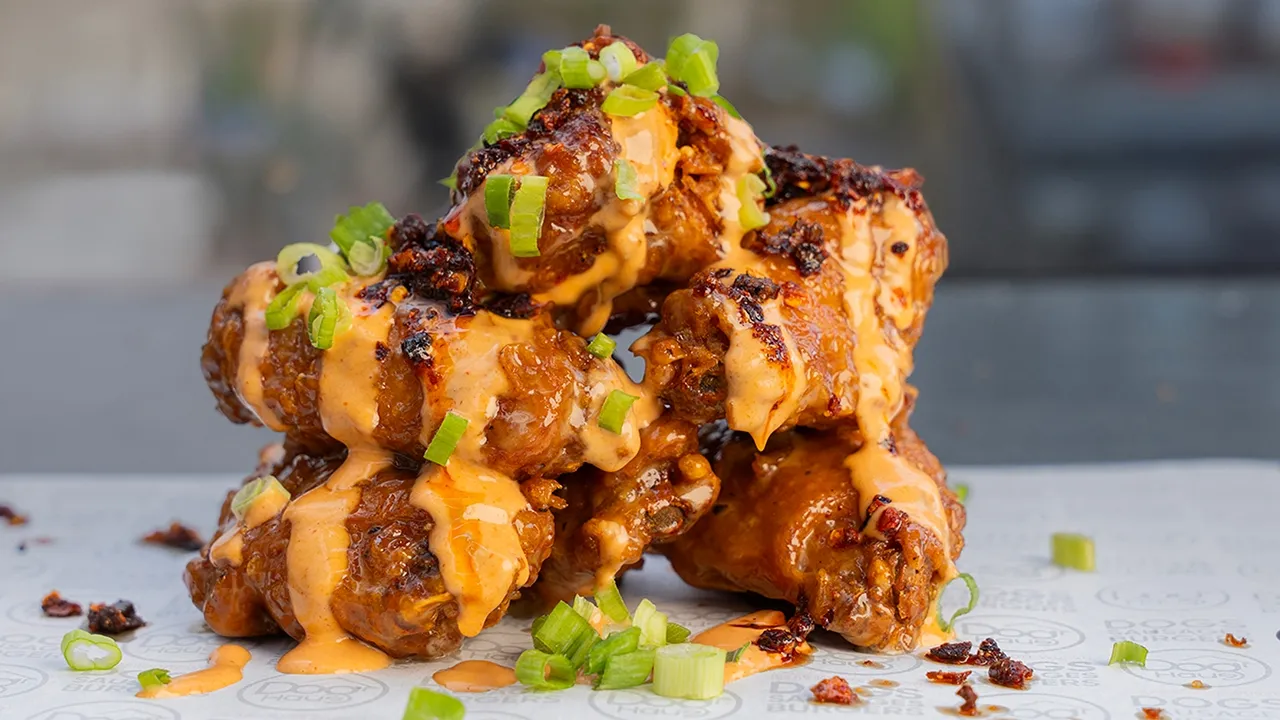 Dog Haus Mighty Moa Wings, tossed in a teriyaki aïoli and topped with spicy mayonnaise, chili crisp, and scallions, proving the commercial viability of an intensely umami-rich LTO
Global Umami Trends in Fine Dining and QSR
The strategic application of umami is no longer restricted to a single segment, with both fine dining and Quick Service Restaurants (QSRs) adopting sophisticated approaches. Fine dining utilizes precision ingredients like dried fungi, cured egg yolks, and concentrated vegetable stocks to achieve subtle, profound savory notes. QSRs, meanwhile, are focused on high-impact, craveable flavor delivery.
Pret a Manger, for instance, uses a house-made chili crisp in items like the Buffalo Chicken Melt and a miso-glazed eggplant bowl. Their approach is focused on identifying multiple applications for a single, high-impact ingredient to support sustainability and reduce kitchen waste. This operational approach, as explained by their VP of food and coffee, highlights the dual benefit of umami innovation: flavor enhancement and operational efficiency. The continued search for new and efficient umami delivery mechanisms will shape future menu development globally.
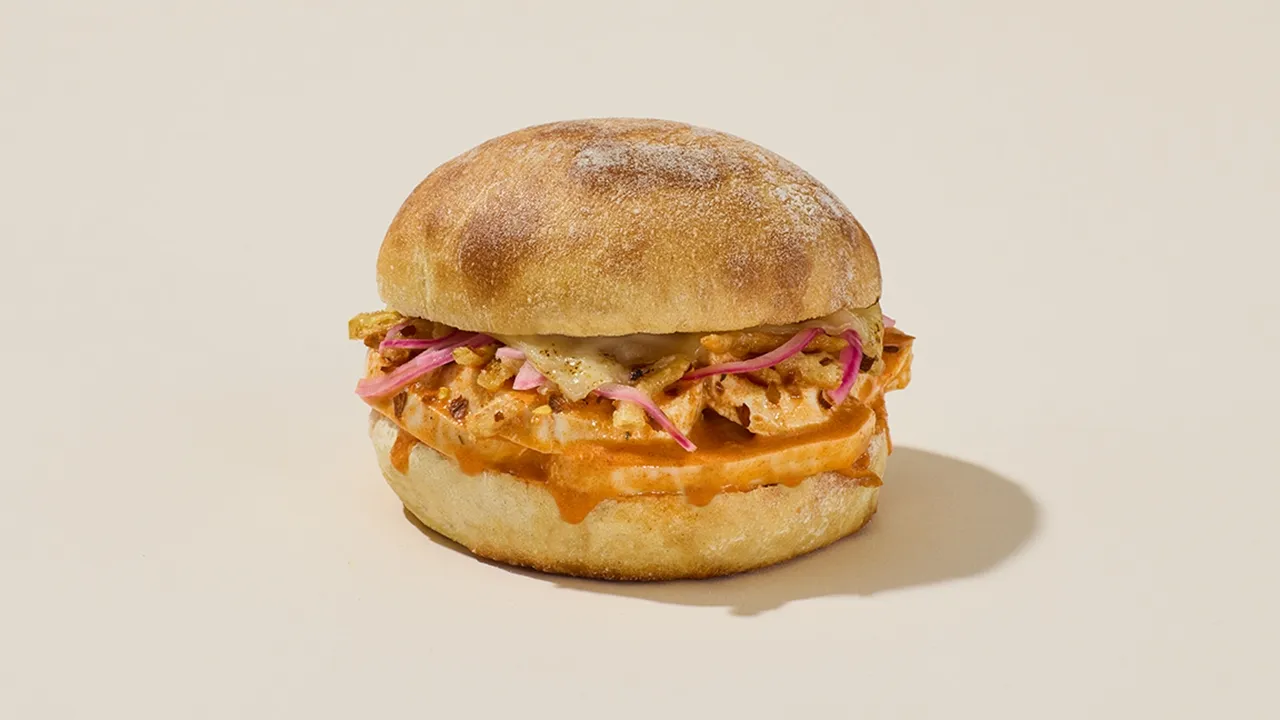 A Pret a Manger Buffalo Chicken Melt sandwich, featuring the in-house made chili crisp that provides a unique 'pop of spice, savoriness, and crunch' to the umami restaurant menu item
The shift toward a more savory and complex flavor profile is a defining characteristic of contemporary restaurant menu strategy across all segments. The rise of chili crisp is a powerful commercial indicator that consumers are actively seeking the depth and satisfaction that umami provides. From customizable stir-fry bowls to elevated wings and sandwiches, chefs and restaurant strategists are finding innovative ways to incorporate intense, savory flavors. Successfully navigating this trend requires a deep understanding of the science and a commitment to bold, flavorful menu design. The most successful operators will be those who consistently deliver a perfectly balanced and deeply satisfying umami restaurant menu that keeps guests coming back for more.
Last Updated on December 1, 2025 by Alex Cesaria

Alex Cesaria is the creative force behind Nomad Girl, an all-day café and ristorante with a signature Milanese flair located in the heart of Nomad, New York City. With years of experience in the hospitality industry, Alex blends refined Italian sensibilities with New York’s energetic dining culture to create a place that feels both elegant and welcoming.