
Understanding the options available on the chinese restaurant menu can feel like a complex negotiation for plant-based diners. Many dishes appear suitable at first glance, but often contain Hidden Animal Products in broths and sauces. This guide provides a comprehensive framework for safe and enjoyable Plant-Based Dining in Chinese establishments worldwide. Navigating this cuisine requires expertise in Dietary Communication with staff and a keen awareness of potential Cross-Contamination. Mastering these details ensures a satisfying experience, turning a potential struggle into a culinary triumph.
The Deep Dive into Hidden Animal Products
The greatest challenge when ordering vegetarian or vegan meals in a Chinese restaurant is identifying non-obvious animal-derived ingredients. Unlike ordering a plain vegetable side dish, the rich complexity of many Chinese sauces and preparations is where diners must exercise caution. Assuming a vegetable or tofu dish is automatically safe often leads to unintended consumption of non-vegan items. A thorough understanding of common preparation bases is absolutely critical for maintaining dietary integrity.
Understanding Broth and Stock Bases
Many Chinese sauces, from simple garlic sauce to more complex, syrupy glazes, rely on a foundational stock. This stock is frequently made from chicken, pork, or beef bones. For many restaurants, using a single, large batch of meat stock simplifies kitchen operations. Diners must specifically inquire, “Is the sauce base made with vegetable stock or a clear water base?” Fish sauce, a fermented condiment, is another critical element to confirm, as it is a standard Umami Boosters in many Southern Chinese and Southeast Asian dishes.
A seemingly innocent dish like General Tso’s Tofu might be glazed with a sauce containing chicken broth, negating its vegetarian appeal. Similarly, many clear vegetable soups, such as Egg Drop or Wonton Soup, are prepared using a chicken or pork stock base. Politeness combined with specific ingredient questions will always yield the most reliable information. Simply asking if a dish is “vegan” can be misleading due to differing cultural interpretations of that term.
The Ubiquity of Egg and Wrappers
Egg is another common hidden ingredient, frequently found in dishes where one might not immediately expect it. Noodle dishes, particularly Lo Mein or Chow Mein, often contain egg in the wheat-based noodles themselves. Fried Rice is almost universally prepared with egg unless specifically requested otherwise. This is a simple but persistent stumbling block for new vegan diners.
Furthermore, many appetizers rely on wrappers that contain egg for texture and binding. Steamed Vegetable Dumplings, while sounding safe, often use wrappers made with egg. The same applies to most Spring Rolls and Egg Rolls. It is necessary to clarify if the wrapper is a water and flour-only mixture or if it includes egg. This diligence prevents accidental consumption of animal products even in the most basic appetizer selections.
Fats, Oils, and Cross-Contamination
Frying methods present a major area for potential Cross-Contamination in a busy Chinese kitchen. The frying oil itself may be animal-derived, such as lard or beef tallow, particularly in older, traditional establishments. Lard has historically been prized for its high smoke point and flavor profile. Even if the oil is vegetable-based, many restaurants use the same deep fryer for meat, seafood, and vegetable dishes.
When ordering any fried item, such as Fried Tofu Nuggets or Spring Rolls, it is vital to ask if the dedicated fryer is used for vegetable items. Failing to ask this question means any fried vegetable item is likely coated with residual particles from other animal products. This detail often separates a truly vegan meal from one that has been inadvertently compromised. Highlighting an Allergy Protocols preference can often prompt greater kitchen care regarding shared equipment.
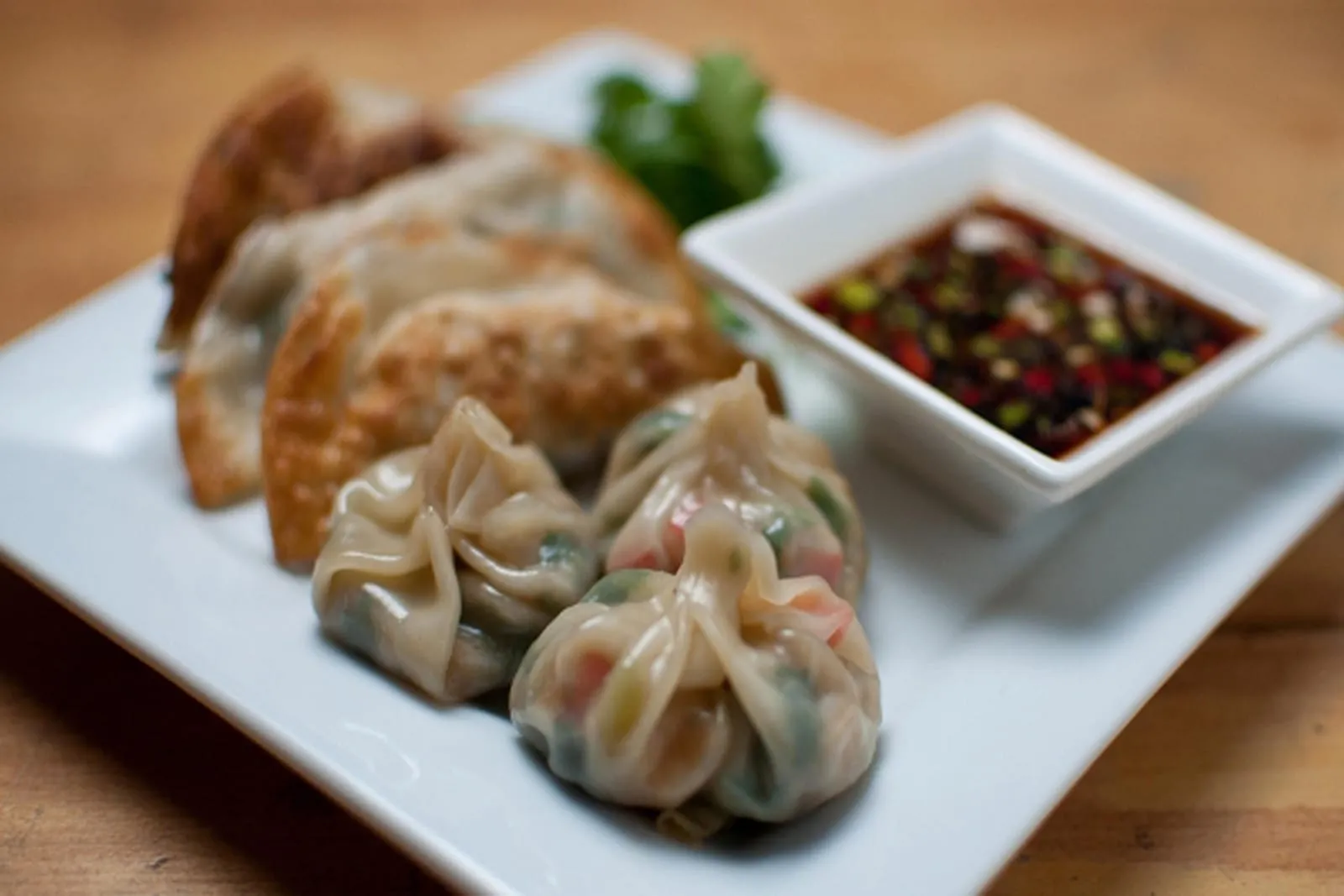 Steamed vegan vegetable dumplings for a safe appetizer choice
Mastering the Art of Dietary Communication
Effective communication is the single most important factor in securing a safe and delicious plant-based meal. Servers may not be familiar with the precise definitions of “vegan” or “vegetarian” in a Western context. Therefore, the most successful approach is one of clarity, specificity, and unwavering politeness. A list of excluded ingredients is far more effective than a single umbrella term.
The Strategic Approach to Ordering
Do not begin the ordering process by simply asking if a dish is vegan. Instead, smile and politely ask about the components of a particular item you are interested in. Inquire about the base of the sauce, specifically asking for the type of broth or stock used. Detail any concerns about egg, fish sauce, or dairy products directly. This proactive, ingredient-focused strategy minimizes misinterpretation.
An even more direct method is to provide a complete list of what you abstain from. Explain clearly that you do not consume meat, poultry, fish, seafood, milk, cheese, butter, eggs, or any stocks derived from these ingredients. This comprehensive list eliminates ambiguity and forces the server to consider every possibility. A busy kitchen is more likely to accommodate a clearly defined request than an ambiguous label.
Leveraging Allergy Protocols
If you encounter resistance or a sense of dismissiveness from the staff, a subtle shift in language can sometimes be helpful. While not the preferred tactic, stating that you have an allergy to meat, eggs, or fish can elevate the seriousness of your request in a fast-paced environment. Businesses typically take Allergy Protocols much more seriously due to liability concerns than simple customer preferences. This is a last resort, however, and most establishments are willing to accommodate reasonable requests without this maneuver.
When a dish cannot be modified to be fully plant-based, ask the kitchen if they can prepare a special dish for you. Many Chinese chefs are highly skilled at improvisation and can create a fresh, Plant-Based Dining experience using only oil, fresh vegetables, and a clear, simple vegetable stock or water. This approach showcases your flexibility and often results in a unique, off-menu meal tailored precisely to your needs. Always maintain a respectful and friendly demeanor throughout the interaction.
A Curated Breakdown of the chinese restaurant menu Staples
With the hidden ingredients and ordering strategy in mind, many classic items on the chinese restaurant menu are easily adaptable. These dishes are excellent starting points for a delicious and safe plant-forward meal. The key is to remember that customization and confirmation are always necessary, even for items listed as “vegetable.”
Appetizers: Beyond the Spring Roll
The appetizer section offers several promising, naturally vegan or easily modified options. Steamed Vegetable Dumplings, provided the wrapper is egg-free, are often a hearty and satisfying start. If egg is used, a safe alternative is usually a Vegetable Spring Roll, but the preparation oil must be clarified. Another excellent choice is Cold Noodles with Sesame Sauce, which, if the sauce is confirmed free of meat broth and fish sauce, is rich and flavorful.
Chinese Scallion Pancakes are another popular appetizer that may or may not contain egg, making inquiry mandatory. Simple Pickled Cabbage and Cucumber are almost always safe and offer a refreshing, acidic counterpoint to richer dishes. Focus on fresh, simple preparations and avoid complex, heavily sauced items in the appetizer section unless a full ingredient breakdown can be provided. Simple Tofu Nuggets are a safe bet if the fryer is segregated.
Soups and the Umami Boosters Challenge
Soups are perhaps the trickiest category due to the pervasive use of meat-based stocks. The standard Hot and Sour Soup almost always contains chicken stock, but some restaurants offer a completely Vegetarian Hot and Sour option, which must still be confirmed for stock ingredients. Simple Tofu Vegetable Soup is another common offering, but it should be confirmed for a clear vegetable or water base.
To achieve that rich, savory depth often missing when meat stock is excluded, the kitchen might use alternative Umami Boosters. You can ask the chef to include ingredients like dried mushrooms, particularly Shiitake, or fermented black beans. These ingredients naturally provide the deep, satisfying flavor profile associated with good Chinese cooking, without resorting to animal products or artificial flavorings.
Noodles and Rice: Customizing Your Starch
Rice and noodle dishes form the backbone of many Chinese meals and are generally easily adapted. Steamed Rice is a universally safe and reliable option. Vegetable Fried Rice is the classic choice, but you must specify “no egg” and ensure the oil is not cross-contaminated. Requesting brown rice over white rice adds fiber and nutritional value.
Vegetable Lo Mein or Vegetable Chow Mein are also great choices, provided the noodles are egg-free. If the noodles contain egg, you can often ask for the dish to be prepared with rice noodles, which are typically made only from rice flour and water. Always confirm the sauce for any hidden meat broth or fish sauce. Requesting the sauce on the side provides an extra layer of control over the ingredients.
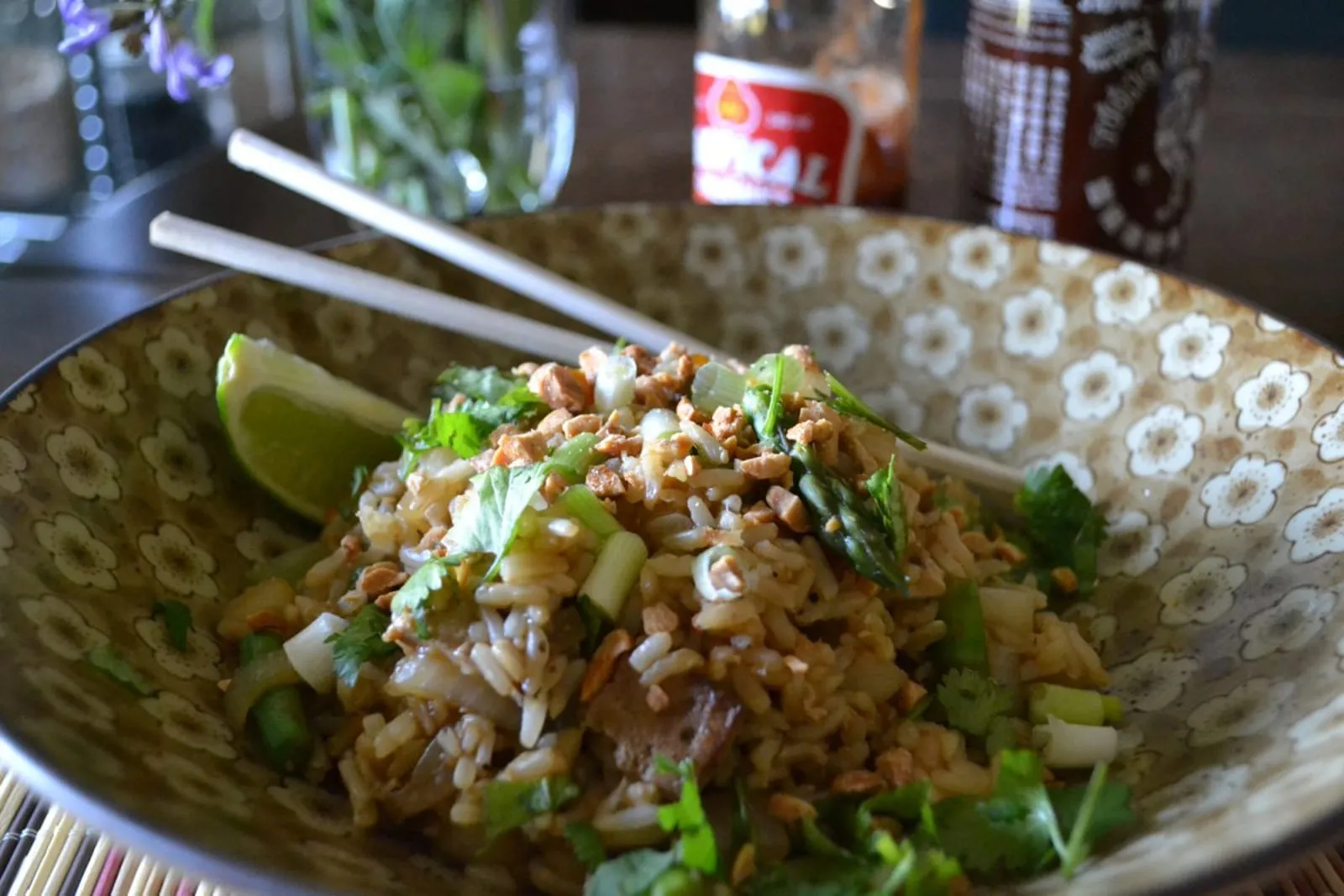 Homemade vegetable fried rice with tofu, a plant-based alternative to the chinese restaurant menu dishes
Entrees: Tofu, Seitan, and Vegetable Classics
The entree section provides the greatest opportunity for a truly satisfying Plant-Based Dining experience. Simple Sauteed Green Beans, Sauteed Snow Peas, or Steamed Vegetables are almost always safe, requiring only confirmation of the cooking oil. These are excellent choices for ensuring a clean, oil-free side dish.
Tofu and seitan are the primary protein substitutes. Dishes like Szechuan Tofu, Kung Pao Tofu, or Sweet and Sour Tofu are popular, but the sauce is the crucial variable. For maximum safety, request that the tofu be fried in clean oil or simply pan-seared, and that the sauce be made with a clear vegetable base. Many places will substitute tofu for meat in almost any dish, from Orange Chicken to Moo Shu Pork, but the sauce modification is non-negotiable for a truly vegan plate. Buddha’s Delight, a mixed vegetable dish featuring tofu or bean curd, is often a very safe bet, especially when ordered steamed.
Achieving Culinary Control with Plant-Based Dining at Home
Despite the best efforts, there are times when dietary restrictions make safe restaurant dining impossible. When facing a complex the chinese restaurant menu with unaccommodating staff or high cross-contamination risk, the safest and often most delicious option is to cook at home. Preparing Chinese food in your own kitchen guarantees complete control over every ingredient, including stocks, oils, and sauces.
Replicating Authentic Flavors
The depth of flavor in Chinese cuisine is often attributed to umami-rich ingredients, not just meat stock. Replicating this depth at home is simple with a few key ingredients. Instead of fish sauce, create a Vegan “Fish” Sauce using blended mushroom, kombu, and soy sauce. This substitution provides the required savory and slightly pungent kick without any animal products.
For a richer, darker sauce base, a hearty mushroom broth made from dried Shiitake or Porcini mushrooms provides a depth that surpasses simple vegetable broth. This can be used in your homemade versions of General Tso’s Sauce or Black Bean Sauce. Mastering the art of the Stir-Fry ensures that vegetables remain crisp-tender and full of flavor.
Essential Pantry for Chinese Vegan Cooking
A well-stocked pantry is the foundation of successful vegan Chinese cooking. Key items include a high-quality, high-smoke-point oil like peanut or canola oil, and a variety of soy sauces (light, dark, and maybe a less-sodium option). Dried Shiitake mushrooms are essential for broth bases and texture. Other staples include rice vinegar, toasted sesame oil, and vegetarian oyster sauce (often made with mushrooms).
With these ingredients, you can easily prepare dishes that are complex and satisfying. Favorites such as Vegetable Fried Rice with Tofu, Spring Rolls with Spicy Peanut Dipping Sauce, or a hearty Kung Pao Tofu are easily recreated. Cooking at home provides a completely safe, high-E-E-A-T solution that satisfies the craving for great Chinese food without the restaurant guesswork.
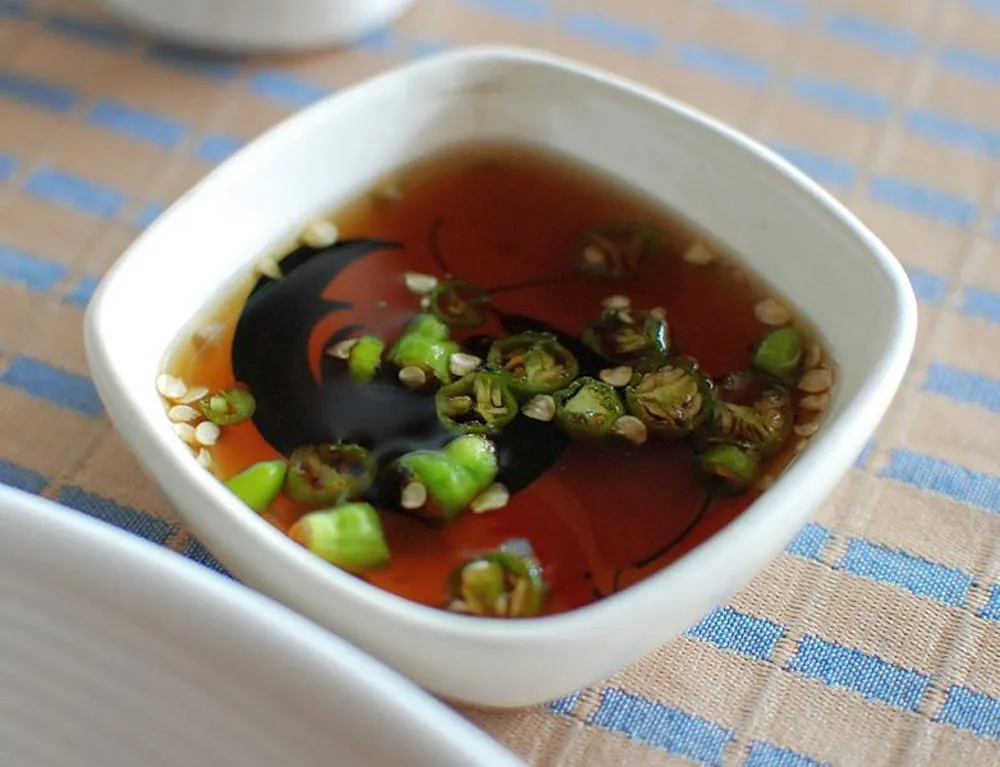 A jar of vegan 'fish' sauce made from mushroom to replicate umami in chinese restaurant menu dishes
Navigating the chinese restaurant menu as a plant-based diner requires specific knowledge, clear communication, and a strategic approach to ingredient scrutiny. Success lies not in avoiding the cuisine, but in confidently identifying potential pitfalls, such as meat-based broths, egg-filled wrappers, and cross-contaminated cooking oils. By adopting a proactive Dietary Communication strategy and understanding which dishes are most amenable to modification, it is entirely possible to enjoy a safe and delicious meal. Armed with this comprehensive guide, every visit to a Chinese restaurant can be a rewarding Plant-Based Dining experience, whether you choose a steamed classic or a carefully customized entree.
Last Updated on November 29, 2025 by Alex Cesaria

Alex Cesaria is the creative force behind Nomad Girl, an all-day café and ristorante with a signature Milanese flair located in the heart of Nomad, New York City. With years of experience in the hospitality industry, Alex blends refined Italian sensibilities with New York’s energetic dining culture to create a place that feels both elegant and welcoming.