
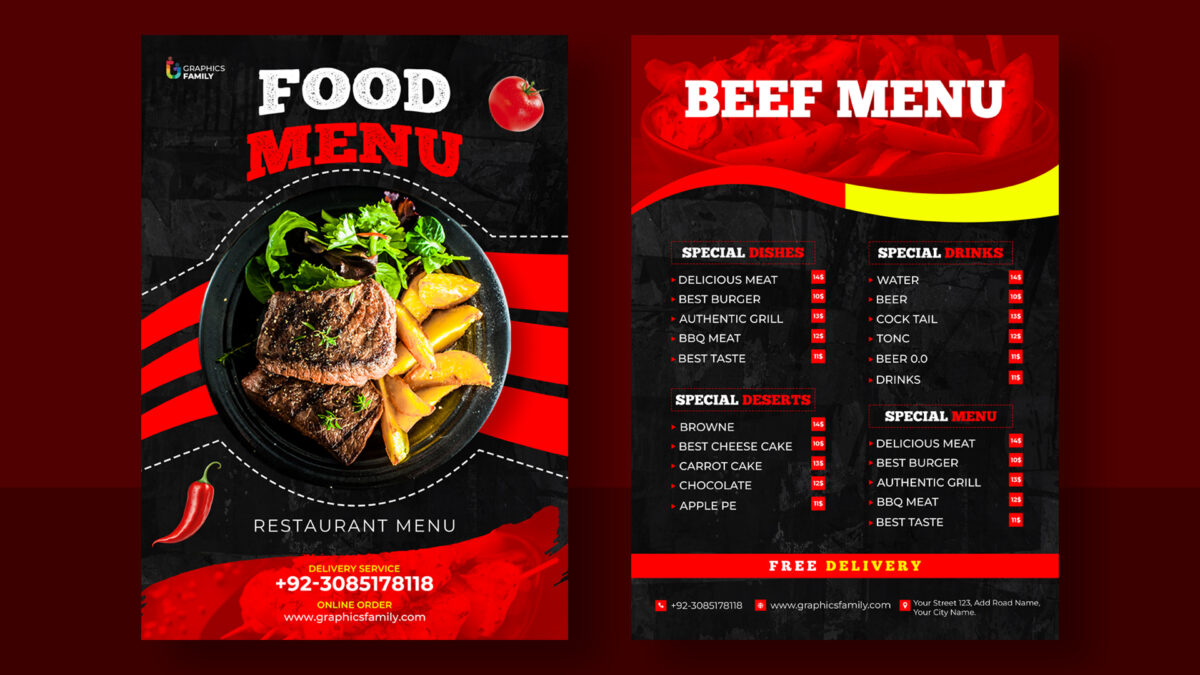
The strategic approach to how restaurateurs serve restaurant menu selections is the single most critical factor differentiating market leaders from the competition. A menu is more than an inventory list; it is a dynamic business instrument that directly influences profitability, operations, and guest satisfaction. This foundational element requires constant analysis, driven by deep insights into customer preferences and shifting market dayparts. An effective menu strategy solidifies brand perception while providing a clear path to generating incremental sales and long-term loyalty.
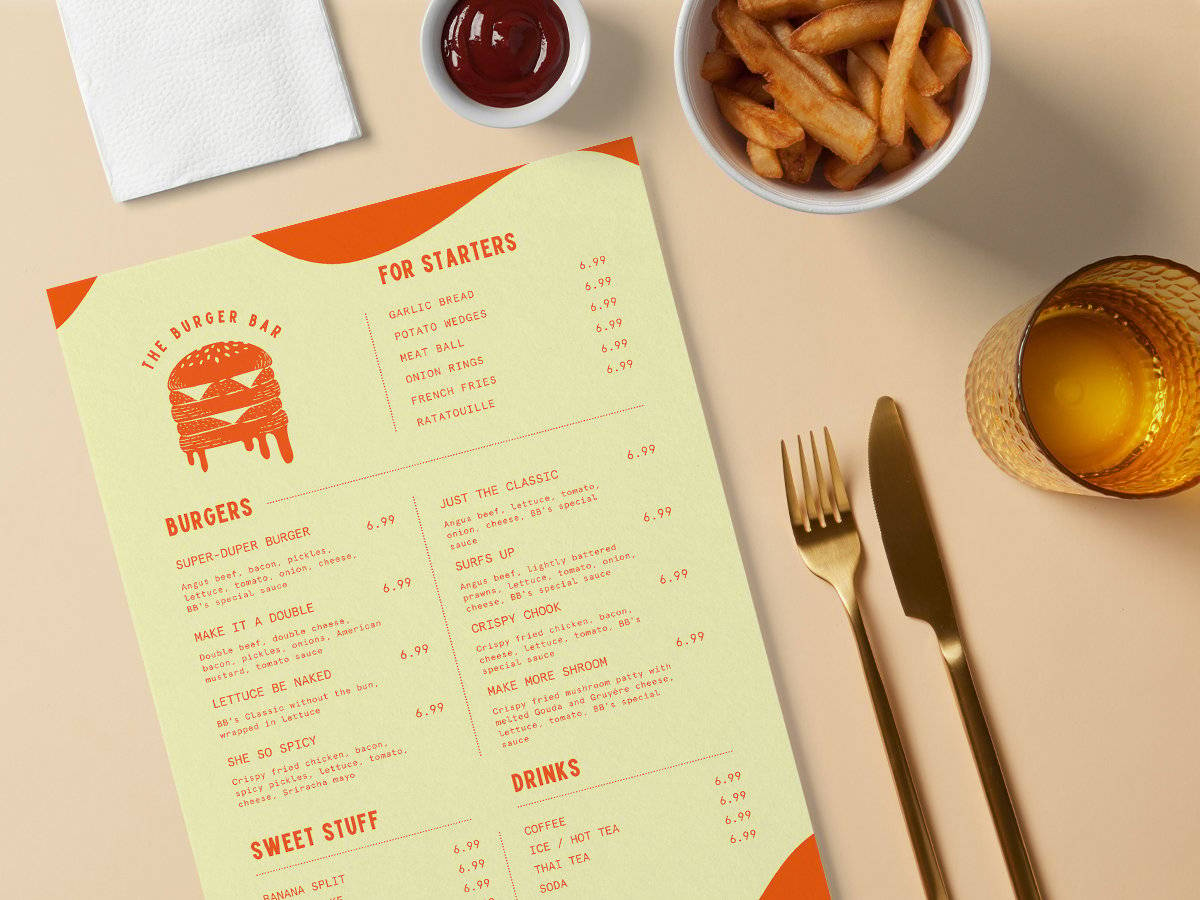
The Imperative of Strategic Menu Evolution
Restaurant menus are not static documents; they must evolve to meet changing consumer demands and operational realities. A regular, data-driven menu revision is a non-negotiable step for maintaining relevance and maximizing financial returns. The most successful revisions are rooted in rigorous research to identify precisely what patrons value most.
Customer-Centricity as a Driver
The core principle of any menu overhaul must be customer preferences, transcending simple novelty. Research consistently reveals that diners prioritize quality ingredients, a compelling balance between indulgent and lighter options, and clarity on value. When a concept successfully meets both the cravings for indulgence and the demand for lighter, healthier fare, it captures a broader market segment. Ignoring these fundamental insights risks isolating key customer bases, leading to decreased frequency of visits.
The Role of Data in Menu Decisions
Menu revisions must be informed by sales data, not solely by culinary whim. Data analysis helps determine which items drive high gross margin and which only contribute to complexity. By correlating sales volume with profit contribution, operators can effectively engage in menu engineering. This scientific approach ensures that prime real estate on the physical and digital menu is allocated to high-profit, high-popularity items. Strategic deletion of underperforming items frees up crucial kitchen space and labor resources.
Optimizing Menu Structure and Scale for Efficiency
The recent trend, accelerated by operational pressures, is toward a more focused, streamlined menu. Reducing the sheer number of offerings can drastically improve kitchen throughput and consistency, directly impacting the guest experience.
The Post-COVID Menu Reset
Many large chains reduced their total menu size during periods of constrained operations, often cutting inventory by as much as a third. This operational necessity revealed an unexpected benefit: increased efficiency. A smaller, more focused menu allows staff to master fewer preparations, leading to higher quality and faster service. While items have gradually returned, maintaining a more efficient, pared-down list—such as one that is 15% smaller than pre-pandemic—continues to offer advantages in labor management and waste reduction.
Leveraging Dayparts for Profitability
Smart menu strategy involves optimizing offerings for every hour of the business day, particularly less popular non-peak periods. The implementation of specific value-driven promotions during historically slower dayparts, like late afternoon, can significantly increase traffic and revenue. A prime case study comes from IHOP, which successfully used a “happy hour” promotion with $5 items between 2 p.m. and 8 p.m. This focused effort drove incremental sales in the mid-to-high-teens and increased traffic by approximately 20% against the rest of the day, proving the viability of the strategy.
Analyzing High-Impact Menu Additions: A Case Study
The introduction of new items must fill a strategic gap, addressing specific customer needs or capturing an emerging market trend. New offerings should either elevate a brand’s core competency or expand its reach into adjacent dining categories.
Upscale Breakfast and Brunch Staples
To attract a higher-spending brunch crowd, restaurants often introduce elevated versions of classic dishes. Eggs Benedicts, for instance, appeal to a sophisticated palate and allow for high-margin variations. Offering diverse flavors—from traditional ham to modern veggie and spicy poblano options—ensures broad appeal. Similarly, adding both sweet and savory crepes—such as Cinnamon Bun, Fresh Berry, or Chicken Pesto—expands the brand’s presence in both the dessert and lunch categories. These additions enhance kitchen throughput flexibility.
Rethinking Core Offerings and Dessert
Core items should not be exempt from innovation; they must be continually updated to stay ahead of the competitive landscape. The classic burger, for example, can be modernized with premium ingredients, such as four-cheese crisps or a bourbon bacon jam, appealing to diners seeking a contemporary take on comfort food. Additionally, signature dessert items, like Cinn-A-Stack Pancakes, serve as high-visibility, high-margin anchor items that reinforce brand identity and drive excitement.
Expanding Dinner and Non-Traditional Options
To successfully penetrate the lunch and dinner market segments, all-day dining establishments must offer compelling, non-breakfast alternatives. Introducing substantial protein plates, such as Fish and Shrimp served with French fries, provides a solid dinner option. Furthermore, a focus on fresh, seasonal ingredients for items like Fresh Berry and Chopped Chicken Salads directly addresses the growing consumer demand for lighter, health-conscious meals. A focused beverage menu, including unique items like Mango Ice Tea and Strawberry Lemonade Splashers, completes the value proposition for a full meal experience.
The Strategic Role of Virtual Brands
In the modern restaurant landscape, menu strategy is not limited to the physical dining room. The use of virtual brands has emerged as a high-potential avenue for leveraging existing kitchen capacity during less busy hours. These delivery-only concepts utilize the same inventory and equipment to serve entirely different cuisine types or specialized menus, perfectly complementing less popular dayparts. This approach minimizes additional overhead while driving substantial, non-cannibalistic revenue, significantly boosting the restaurant’s overall financial performance and return on investment (ROI) from its fixed assets.
The 360-Degree Menu Marketing Strategy
A brilliant menu revision is only effective if the customer is aware of the changes and motivated to try them. A comprehensive marketing campaign is essential for maximizing the impact of any menu overhaul. This involves a total alignment of all communication channels.
Integrated Digital and Physical Rollout
A successful launch requires a coordinated effort across all guest touchpoints. This includes updating all physical menus, implementing robust paid linear and digital media campaigns, and generating organic conversation through social and earned media. The consistency of the message across platforms is key to ensuring that the revised restaurant menu is the center of attention. Every piece of collateral must reinforce the quality and value of the new offerings.
Driving Trial and Loyalty
Strategic promotions are crucial for encouraging initial trial and reinforcing loyalty among existing customers. Targeted offers, such as double rewards points (or “PanCoins”) for the purchase of a new, focus item like Eggs Benedicts for a limited period, directly incentivize trial. This tactic not only promotes the new item but also provides valuable data on customer adoption and strengthens the relationship with rewards members, leading to higher lifetime value. A strategic menu launch is as much about marketing as it is about food.
The journey to effectively serve restaurant menu excellence is continuous, requiring a disciplined fusion of customer data, operational streamlining, and strategic marketing. A menu is not merely a list of dishes; it is a dynamic business tool that, when engineered with precision and vision, drives long-term profitability and solidifies market leadership.
Last Updated on November 28, 2025 by Alex Cesaria

Alex Cesaria is the creative force behind Nomad Girl, an all-day café and ristorante with a signature Milanese flair located in the heart of Nomad, New York City. With years of experience in the hospitality industry, Alex blends refined Italian sensibilities with New York’s energetic dining culture to create a place that feels both elegant and welcoming.