
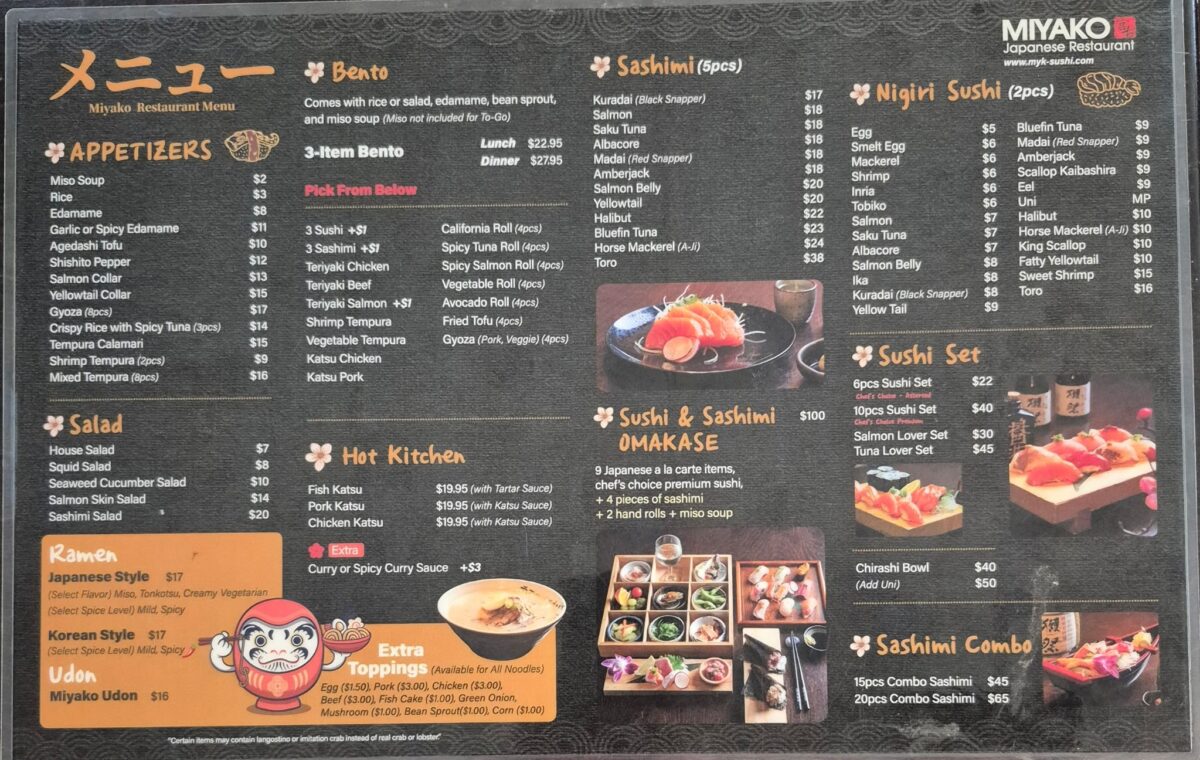
The experience of authentic Japanese dining begins with a deep understanding of the offerings. The restaurant miyako menu presents a meticulously crafted selection that caters to both traditionalists and modern palates. This guide details the diverse array of dishes, ensuring every diner can navigate the rich tapestry of flavors. We will explore the value-driven Dinner Combinations, the delicate preparations of Tempura, and the hearty satisfaction of the Gohanmono rice bowls. Miyako’s menu is a testament to the high standards of Japanese culinary tradition, featuring signature methods like Teriyaki and Katsu.
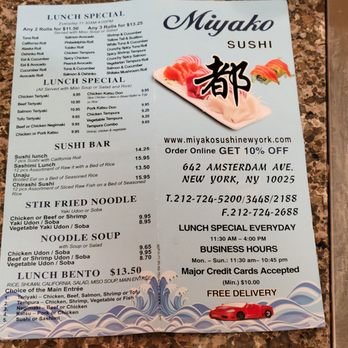
The Art of Miyako’s Dinner Combinations
Miyako’s Dinner Combinations are designed to provide a comprehensive, balanced overview of Japanese cuisine in a single meal. Each combination is served with a foundational element: a choice between Miso Soup or a fresh Green Salad. These meals recognize the diner’s desire for variety and culinary exploration. They represent exceptional value and a perfect entry point into the menu.
Curated Sampler Plates: Sushi, Sashimi, and Protein
The first set of combinations, labeled A through D, consistently feature raw fish elements. Sushi and Sashimi are paired with a single cooked protein. This structure allows the diner to enjoy both the delicate preparation of fresh fish and the savory warmth of a main entrée.
Combination A blends the fresh Sushi and Sashimi with Shrimp Tempura. This contrast of cold, raw fish and hot, crispy fried shellfish creates textural intrigue. Combination B exchanges the Shrimp Tempura for the savory, glazed Chicken Teriyaki. The rich, sweet-and-sour glaze of the Teriyaki sauce complements the clean flavor of the raw fish presentation.
Option C and D continue this template by pairing the raw fish with Beef Teriyaki and Scallop Teriyaki, respectively. Beef Teriyaki provides a robust, umami-rich counterpoint to the seafood. The Scallop Teriyaki, a lighter but still flavorful option, offers a subtly sweet taste.
Balanced Meals: Teriyaki, Tempura, and Rolls
The subsequent combinations, E through H, shift the focus toward a more balanced, multi-component meal that often excludes Sashimi. These plates incorporate the California Roll as a staple, a popular, accessible form of Maki sushi. The California Roll provides a creamy, refreshing interlude between the cooked proteins.
Combination E is an assembly of Shrimp Tempura, Chicken Teriyaki, and the California Roll. This selection is ideal for those seeking a mix of deep-fried, grilled, and rolled items. F replaces the chicken with the more substantial flavor of Beef Teriyaki, maintaining the balance of crispy and glazed components.
The final two options, G and H, showcase flexibility. G pairs Shrimp Tempura and Scallop Teriyaki with the California Roll. H features both Beef and Chicken Teriyaki alongside the roll, focusing entirely on grilled meat and sushi. Option I, the priciest, combines Beef, the California Roll, and Scallop Teriyaki, offering a luxurious mix of land and sea.
Seafood Selections: Freshness and Flavor
The Seafood section of the restaurant miyako menu highlights the natural flavors of the ocean, utilizing various cooking techniques to maximize their inherent qualities. All dinner items here, like the Combinations, include the choice of Miso Soup or Green Salad.
Crispy Classics and Sautéed Delights
The menu offers several classic deep-fried preparations. EBI FRY consists of giant shrimp, meticulously breaded and fried until perfectly crisp. This simple technique seals the moisture inside the shrimp, yielding a juicy interior. Similarly, FISH KATSU involves breaded filets of white fish, resulting in a light, flaky texture with a crunchy crust.
The sautéed dishes feature light, clean preparations. SAUTEED SHRIMP and SAUTEED SCALLOPS are cooked with mushrooms and finished with a delicate teriyaki sauce. This method prevents the sauce from overpowering the seafood. SHRIMP STIR FRY provides a vibrant, vegetable-heavy option. The shrimp is quickly cooked with fresh, crisp vegetables, tossed in a light, savory sauce.
Teriyaki Mastery: Salmon and Seafood Combos
The Teriyaki preparation is a cornerstone of the seafood offerings. GRILLED SALMON is a straightforward, satisfying choice, allowing the fish’s natural oils and rich flavor to shine. FISH TERIYAKI involves lite batter-fried white fish filets, served with a teriyaki glaze. The light batter provides a slight protective coating and enhances the sauce adherence.
SALMON TERI is a premium version, utilizing Norwegian salmon, which is known for its high fat content and rich color. It is also lite batter-fried, offering a beautiful golden exterior and a tender interior coated in a savory-sweet glaze. The SEAFOOD COMBO TERI is a delightful mix of sautéed shrimp and scallops. This dish combines the best of the sea into a single, cohesive, and flavorful presentation.
Traditional Chicken and Beef Preparations
Miyako’s land-based protein entrees showcase the versatility of Japanese grilling and sautéing techniques. The chicken is guaranteed to be boneless and skinless, providing a lean, consistent texture across all preparations.
Chicken: Teriyaki, Wafu, and Katsu Styles
TERIYAKI is the foundational preparation, featuring grilled chicken coated in the ubiquitous, glossy teriyaki sauce. This dish is the standard for Japanese cuisine. WAFU offers a different profile, with the grilled chicken served alongside the bright, citrusy acidity of ponzu sauce. Ponzu sauce is a mix of soy sauce, citrus juice (yuzu or lemon), rice vinegar, and dashi. This lighter, zestier taste cuts through the chicken’s richness.
SPICY SAUTEED chicken is grilled and then quickly sautéed in a sauce that balances heat and sweetness. This modern fusion flavor profile appeals to diners seeking a bolder taste. CHICKEN STIR FRY, like its seafood counterpart, incorporates a mix of chicken and fresh vegetables. This dish provides a healthful, high-fiber, and balanced option. KATSU CHICKEN is a classic preparation, where the chicken is breaded with panko and deep-fried to a golden-brown perfection, providing a textural contrast to the leaner grilled options.
Beef: Steak Cuts and Specialty Dishes
The beef selections center around the N.Y. Strip steak, a premium cut known for its tenderness and flavor. WAFU STEAK is the N.Y. Strip served with the light, refreshing ponzu sauce. This allows the high-quality beef flavor to remain prominent while providing a clean finish. STEAK TERIYAKI utilizes the same N.Y. Strip, glazed with the rich, traditional teriyaki sauce, offering a savory, more intense flavor.
YAKINIKU is a specialty preparation, literally meaning “grilled meat.” Miyako’s version features thin slices of beef and onions, seasoned with a special, complex savory sauce. This dish has roots in Korean BBQ but is a beloved part of the Japanese dining experience. BEEF STIR FRY rounds out the section, combining sliced beef and crisp vegetables for a simple, hearty meal.
Pork and The Delicate Technique of Tempura
The pork and tempura sections of the restaurant miyako menu explore two contrasting yet equally essential techniques in Japanese cooking: the use of rich sauces and the art of light, clean frying.
Pork Dishes: Shoga Yaki and Tonkatsu
The pork offerings are classic and comforting. SHOGA YAKI translates to “ginger-fried,” where tender slices of pork are sautéed in a rich, slightly pungent ginger sauce. The ginger provides a sharp, aromatic note that balances the richness of the pork. This is a traditional home-style dish.
TONKATSU is the pork variation of the Katsu technique. A cut of pork is meticulously breaded with panko crumbs and then deep-fried. The panko creates a uniquely light, airy, and crunchy coating. It is traditionally served with a thick, fruity, and savory sauce, often referred to as Tonkatsu sauce, and shredded cabbage. PORK STIR FRY offers a quick-cooked option with pork and vegetables.
Tempura: Deep Fried Perfection
Tempura is often cited as the pinnacle of Japanese frying. The definition of Tempura is food dipped in an extremely light batter before frying. The goal is to achieve a feather-light, almost lacy crust that is grease-free, allowing the natural flavor of the ingredient to be the star.
EBI TEN features jumbo shrimp and a variety of fresh vegetables. This is the most popular form of tempura. YASAI TEN, or Vegetable Tempura, is a medley of seasonal, garden-fresh vegetables. Common choices include sweet potato, pumpkin, lotus root, and eggplant. SEAFOOD TEMPURA combines shrimp, scallops, crab, fish, and vegetables. This platter offers a comprehensive experience of the Tempura mastery.
Gohanmono: Savory Meals Served Over Rice
Gohanmono, or “rice things,” refers to dishes where the main ingredients are served directly on top of a bowl of steamed rice. These are often referred to as donburi and represent hearty, single-bowl meals. They are typically sauced and delicious, providing deep, comforting flavors.
The Comfort of Donburi: Katsu Don and Oyako Don
KATSU DON is a classic donburi. It consists of breaded and deep-fried pork cutlet (Pork Katsu), which is then simmered with onions and eggs in a savory dashi-based sauce. The mixture is poured over the rice, creating a rich, flavorful coating that softens the crispy katsu slightly.
OYAKO DON translates literally to “parent and child bowl,” a poetic name referencing the combination of chicken (parent) and egg (child). Sliced chicken, onions, and egg are cooked in the same savory dashi-based broth as Katsu Don before being draped over the rice. It is a lighter, subtly sweeter alternative to the Katsu Don.
Specialty Rice Bowls: Eel and Curry
UNA ZYUU is a prized offering, featuring grilled eel (unagi) that has been basted in a sweet, thick, soy-based sauce and grilled until caramelized. The eel is then meticulously placed on a bed of rice. The rich, fatty eel and the sweet glaze make this a luxurious and highly sought-after dish.
CURRY RICE is the Japanese take on a global dish. It is a thicker, sweeter, and milder curry than its Indian or Thai counterparts. Miyako’s version uses a Japanese-style curry with beef. This provides a comforting, savory flavor. Variations include CHICKEN KATSU CURRY and PORK KATSU CURRY, where a crispy katsu cutlet is placed on the rice, and the rich Japanese curry is generously ladled over the top. These variations combine two of the country’s most beloved comfort foods.
The restaurant miyako menu is a well-structured document, offering a profound journey through Japanese dining essentials. From the delicate, artistic presentation of the Sushi/Sashimi combinations to the comforting, robust flavors of the Gohanmono, every item is carefully curated. The variety of choices, covering deep-fried, grilled, sautéed, and raw preparations, ensures that the menu holds a rewarding dish for every preference. Miyako successfully balances the art of traditional preparation with the convenience and value desired by modern diners.
Last Updated on November 28, 2025 by Alex Cesaria

Alex Cesaria is the creative force behind Nomad Girl, an all-day café and ristorante with a signature Milanese flair located in the heart of Nomad, New York City. With years of experience in the hospitality industry, Alex blends refined Italian sensibilities with New York’s energetic dining culture to create a place that feels both elegant and welcoming.