
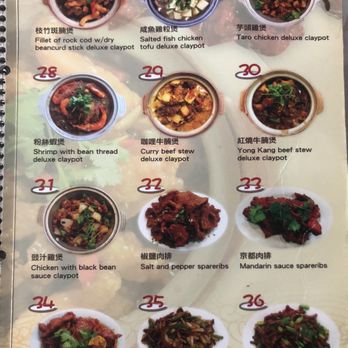
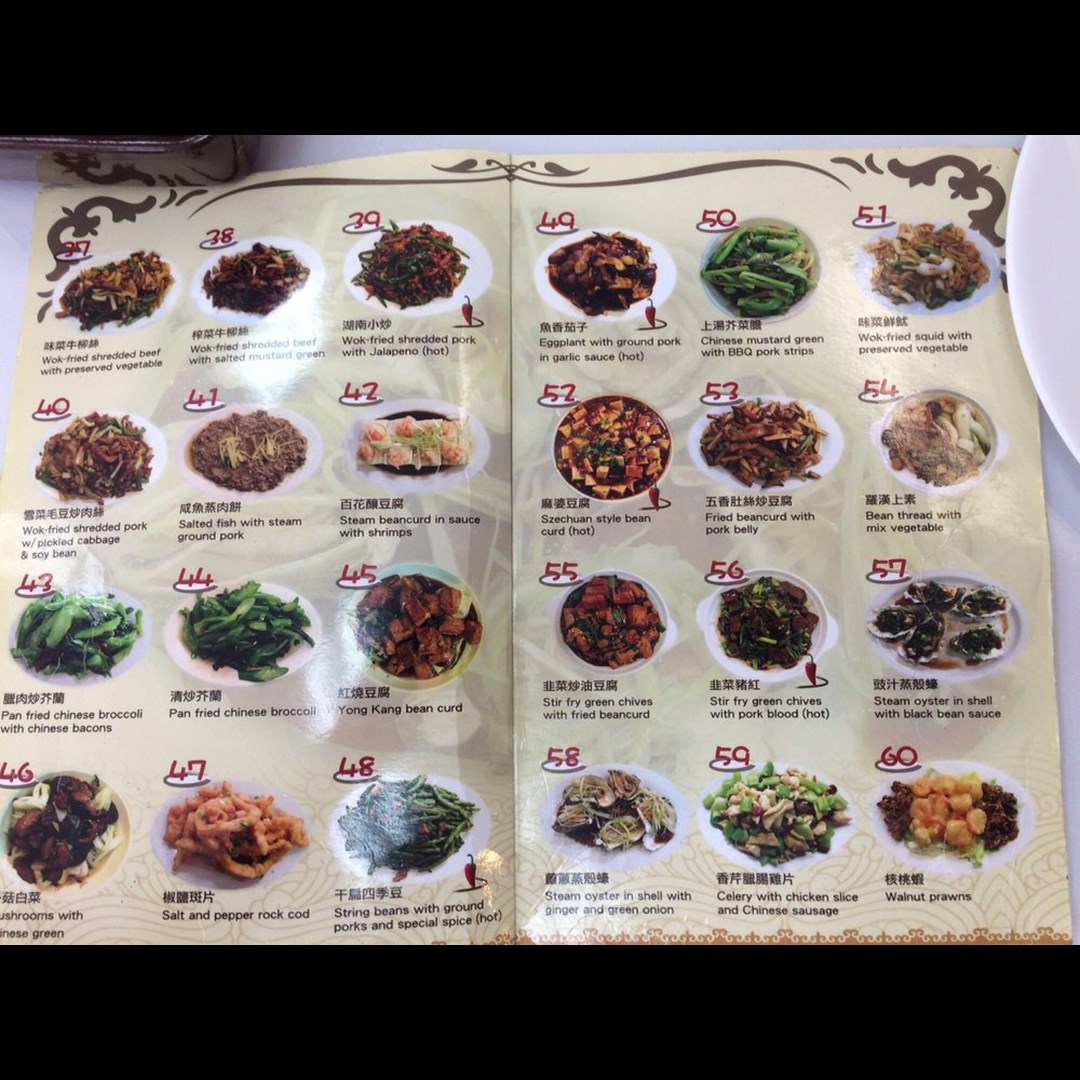
Understanding the new yong kang restaurant menu reveals a compelling exploration of Pan-Asian culinary traditions, primarily rooted in Japanese and Taiwanese specialties. This extensive menu, available from the Yong Kang Street Trunstyle location in New York City, solidifies its position as a highly versatile dining option. The menu is meticulously organized to offer diners a breadth of choices, from robust noodle dishes and specialty rice bowls to an expansive sushi and sashimi selection. This dual-focus approach highlights both comforting street food and refined Japanese preparations, catering to diverse palates. Furthermore, the inclusion of value-centric options like the bento box value and Taiwanese specialties ensures a practical and satisfying dining experience, creating a strong network of offerings.
Analyzing the Core Culinary Landscape of Yong Kang Street
Yong Kang Street distinguishes itself by seamlessly blending multiple Asian culinary threads into a coherent menu structure. The establishment’s offerings transcend a single cuisine, instead presenting a curated selection of favorites from various regions, executed with an emphasis on flavor depth and authentic preparation. The extensive array of categories necessitates a detailed examination of its core strengths, particularly within the noodle and rice bowl domains. This approach allows for a comprehensive appreciation of the Pan-Asian cuisine philosophy underpinning the restaurant.
Signature Noodle and Ramen Offerings
The noodle and ramen section serves as a cornerstone of the Yong Kang Street menu, providing hearty, flavor-packed options designed for satisfaction. The standout is the Taiwanese Beef Noodle, priced at $14.25, which features a complex array of ingredients including bok choy, jalapeno, scallion, parsley, and fermented vegetable. This dish is a true representation of Taiwanese street food, relying on a deeply savory broth and tender beef.
The Japanese Ramen selection is equally strong, with the Japanese Ramen with Pork Tonkatsu being a prime example at $14.95. The preparation is detailed, including fish cake, bamboo shoot, seaweed, a marinated egg, black agaric, and scallion, indicating a commitment to traditional ramen components. Variations like the Japanese Ramen with Crispy Chicken or Seafood (at $15.95) allow for customization while maintaining the integrity of the base flavor. The Roast Beef Ramen, though slightly higher in price at $17.99, promises a substantial portion featuring boy choy, scallions, and marinated vegetables.
The Comprehensive Rice Bowl Selection
The Rice Bowl category underscores the menu’s versatility, offering both raw (sushi-grade fish) and cooked protein options, all served with a choice of white or brown rice. This structure caters effectively to varying dietary preferences and meal requirements. The standard accompaniment package—seaweed salad, edamame, cucumber, and often marinated egg or Japanese radish—provides a balanced and nutritious foundation.
Raw options such as the Salmon Rice Bowl or the Mixed Fish Rice Bowl (Salmon, Tuna, Yellowtail) are consistently priced at $16.49, positioning them as a premium yet affordable alternative to a full sushi meal. The cooked selections feature popular Asian staples, including the Minced Marinated Pork Bowl, Taiwanese Crispy Chicken Rice Bowl, and Teriyaki Beef Rice Bowl (at $16.99). The incorporation of traditional Taiwanese items, such as the Minced Marinated Pork with its pork belly and fermented vegetable, further reinforces the menu’s commitment to diverse culinary representation. The Roasted Duck Rice Bowl at $15.49 provides an excellent option for those seeking richer, more savory flavors.
A Deep Dive into the Asian Fusion Specialties
Beyond the core rice and noodle dishes, the new yong kang restaurant menu dedicates significant real estate to traditional Japanese sushi and a wide variety of Dim Sum, cementing its identity as an Asian fusion expert. This breadth ensures that customers can build a complete, multi-course meal experience within the confines of a single order. The careful curation of these specialty items speaks to a sophisticated understanding of cross-cultural dining trends.
The Art of the Sushi and Roll Program
The sushi program at Yong Kang Street is structured to appeal to both novices and aficionados. The Regular Sushi Rolls section offers classics such as the California Roll ($8.95), Salmon Avocado Roll ($9.99), and Spicy Tuna Roll ($9.99). The pricing is competitive for a New York City establishment, making sushi an accessible add-on or a standalone meal.
The Special Sushi Rolls category elevates the experience with creative combinations, all priced around $14.99. The Rainbow Roll, a staple of modern sushi, features assorted raw fishes atop a California Roll base. More elaborate creations like the Dancing Eel Roll, which places BBQ Eel over a California Roll and is finished with eel sauce, demonstrate culinary flair. The Volcano Roll and Green Dragon Roll are also prominent, relying on complex layering of ingredients like shrimp tempura, avocado, and spicy tuna. For those seeking minimalist elegance, the A La Carte Sushi & Sashimi section offers individual pieces of Salmon, Tuna, Yellowtail, and Eel, all standardized at $2.99 per piece, providing granular control over the meal selection.
Dim Sum and Small Bites: A Taiwanese-Inspired Selection
The Dim Sum section on the menu provides an essential counterpoint to the Japanese offerings, firmly grounding the menu in Taiwanese specialties and general Asian small bites. This category is perfect for sharing or supplementing the main courses. Traditional items like Shumai and Shrimp Dumplings are available for $8.75 (four pieces each), meeting the expected standards of quality and flavor.
Other notable selections include the Juicy Pork Bun (five pieces for $6.95), which is a classic, savory choice. The inclusion of Taiwanese Popcorn Chicken ($6.95) and the Crispy Scallion Pancake ($4.25) provides recognizable street food favorites. A truly unique offering is the Tea Egg, a staple of Taiwanese convenience and flavor, available for $3.50 (two pieces). This section showcases a focus on comfort food and small, meticulously crafted portions, contributing significantly to the overall Pan-Asian cuisine identity of the establishment. The Spicy Chili Shrimp Pork Wonton at $6.25 and various steamed and fried dumplings further broaden the scope of this section.
Assessing Value and Accessibility on the new yong kang restaurant menu
A critical component of any successful restaurant menu is its value proposition, balancing price with portion size and ingredient quality. The new yong kang restaurant menu addresses this by offering smartly packaged combinations and competitive pricing, making it an attractive option for the cost-conscious diner seeking high-quality Asian food. The menu structure facilitates easy meal planning, whether for a quick, substantial lunch or a more elaborate dinner.
The Strategic Value of Bento Boxes and Combos
The Bento Box selection is strategically positioned to offer maximum value and convenience, particularly for lunch. These boxes, such as the Teriyaki white meat Chicken Bento or the Teriyaki Beef Bento (both $17.99), are complete, self-contained meals. Each includes a marinated egg, bok choi, Japanese radish, a choice of pork or vegetable dumpling, and a soda. This packaging represents a significant saving compared to ordering each component separately, underscoring the bento box value as a key selling point.
The Sushi Bento Box, also $17.99, is tailored for sushi enthusiasts, bundling two pieces of salmon, one piece of tuna, one piece of shrimp, a California Roll, dumplings, salad, and miso soup. This combination provides a well-rounded and diverse sushi experience at an economical price point. Similarly, the Sushi Combos, like the Tuna Salmon Sushi Combo ($18.99), efficiently pair different sushi and rolls, eliminating the guesswork for the customer.
Pricing Structure and Customer Expectations
The pricing across the Yong Kang Street menu is generally positioned in the mid-range ($$ on most platforms), reflecting the quality and complexity of the dishes offered in a major metropolitan area. Ramen and Rice Bowls range from approximately $14.25 to $17.99, indicating a focus on substantial, fulfilling main courses. Dim Sum and small bites are priced affordably between $3.50 and $8.75, encouraging customers to experiment and order a variety of items.
The consistency in pricing, particularly among the specialized rice bowls and the regular sushi rolls, suggests a thoughtful approach to menu engineering. The menu successfully balances the cost of high-quality ingredients, like fresh fish in the sushi and sashimi selection, with the need for competitive pricing. This careful balance of cost and content reinforces the restaurant’s commitment to providing an excellent dining experience. The detailed item descriptions and clear pricing ensure customer clarity, enhancing the overall ordering experience.
In conclusion, the new yong kang restaurant menu presents an extensive and well-curated catalog of Pan-Asian cuisine that expertly bridges the gap between traditional Japanese sushi and robust Taiwanese comfort food. The menu’s strength lies in its comprehensive variety, ranging from the complex flavors of the Taiwanese Beef Noodle to the strategic convenience and bento box value offered by its combo meals. This approach ensures that, regardless of a customer’s preference or budget, they will find a satisfying, high-quality, and deeply flavorful meal from Yong Kang Street.
Last Updated on November 30, 2025 by Alex Cesaria

Alex Cesaria is the creative force behind Nomad Girl, an all-day café and ristorante with a signature Milanese flair located in the heart of Nomad, New York City. With years of experience in the hospitality industry, Alex blends refined Italian sensibilities with New York’s energetic dining culture to create a place that feels both elegant and welcoming.