
When exploring the vibrant world of Moroccan cuisine through an moroccan restaurant menu, one often encounters the familiar tagines and couscous dishes. This article delves deeper, revealing that true Moroccan culinary richness extends far beyond these well-known offerings, with many traditional delights reserved for homes or specialized street vendors. Understanding these authentic, often unlisted dishes provides a richer appreciation for Morocco’s gastronomic heritage and the depth of its culinary traditions. For enthusiasts seeking a genuine taste of Morocco, venturing beyond typical restaurant fare is an essential journey into its home cooking, cultural authenticity, and unique culinary experiences.
The Essence of Moroccan Culinary Authenticity
Moroccan cuisine is renowned for its aromatic spices, intricate preparations, and deep cultural roots. While restaurants provide an accessible entry point, they often streamline their offerings to cater to broader palates, sometimes overlooking dishes integral to daily life and special occasions. The true essence lies in the diverse, regional specialties and family recipes passed down through generations. These dishes are not merely food; they are expressions of hospitality, tradition, and a profound connection to the land and its history.
Beyond Semolina: Exploring Unique Couscous Varieties
Traditional couscous, a staple of Moroccan cuisine, is typically crafted from semolina. However, a deeper dive into rural culinary practices reveals a fascinating array of alternatives that offer distinct textures and flavors, challenging the narrow perception often shaped by a typical restaurant menu. These variations highlight the resourcefulness and regional diversity inherent in Moroccan cooking, providing a truly unique gastronomic experience for those willing to explore.
Barley Couscous: A Wholesome Alternative
Barley couscous presents a heartier, nuttier alternative to its semolina counterpart. This ancient grain, widely cultivated in Morocco, lends a robust flavor and chewier texture that complements rich stews and tagines beautifully. Often favored in mountainous and rural regions, barley couscous embodies a rustic charm, reflecting a connection to traditional farming practices. Its earthy notes make it a deeply satisfying and wholesome addition to any meal, a far cry from the standardized options typically found.
Corn Couscous: A Light and Flavorful Revelation
Among the lesser-known but incredibly delicious couscous varieties is that made from corn. This delightful version, reminiscent of soft polenta yet possessing the characteristic lightness of couscous, offers a subtle sweetness and a tender texture. For those seeking gluten-free options, corn couscous provides an excellent way to savor this iconic Moroccan dish without dietary compromise. Its gentle flavor pairs wonderfully with various toppings, making it a versatile and cherished part of home cooking, seldom featured on a conventional moroccan restaurant menu.
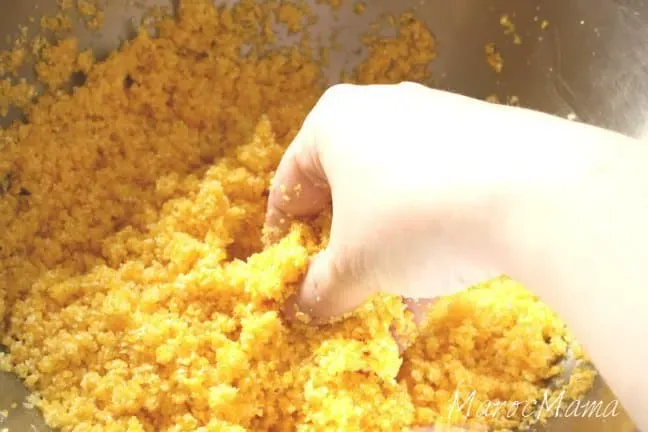 Authentic Corn Couscous Grains, a unique variant for a Moroccan restaurant menu beyond semolina
Street Food Delights: Flavors of the Moroccan Bazaar
Moroccan street food offers a vivid sensory experience, a bustling tapestry of aromas, sights, and sounds that are as integral to the culture as the food itself. These culinary treasures, often prepared by skilled vendors from modest stalls, represent the heart and soul of local gastronomy. While some popular street foods might occasionally appear on an expansive moroccan restaurant menu, many of the most authentic and beloved items remain exclusive to the vibrant street scene, embodying a spontaneity and communal spirit that is hard to replicate indoors.
Ba’abouch: Snails in Aromatic Broth
Ba’abouch, or snails in broth, is a quintessential Moroccan street food, especially cherished during the cooler autumn and winter months. Vendors ladle out steaming bowls of these small, tender snails swimming in a highly aromatic, spiced broth. While some patrons relish the snails themselves, many are primarily drawn to the deeply flavorful and warming broth, believed to possess medicinal properties. The precise blend of spices, a closely guarded secret among vendors, is what makes this dish so distinctive and memorable. This communal culinary ritual is a true reflection of Moroccan daily life, rarely transitioning to formal dining settings.
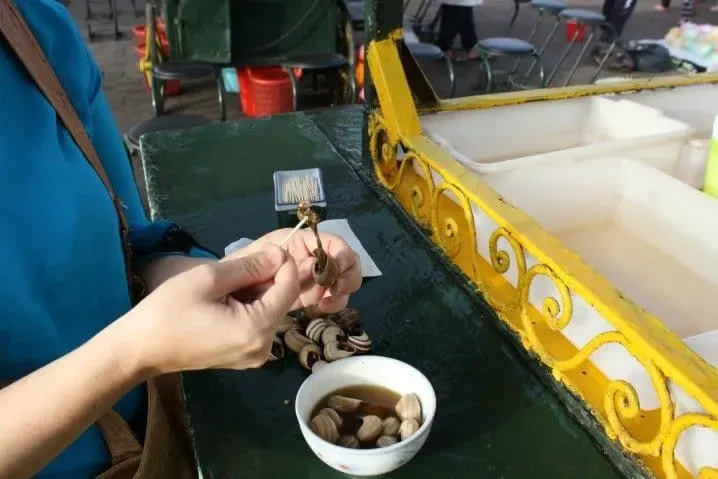 Traditional Moroccan Ba'abouch (snails in broth), a cherished street food rarely seen on a conventional Moroccan restaurant menu
Unconventional Delicacies: Embracing the Whole Animal
Moroccan culinary traditions, deeply rooted in a philosophy of minimizing waste, often feature dishes that utilize every part of an animal. These preparations, while perhaps surprising to some palates, are considered cherished delicacies within the culture. They offer a profound insight into traditional Moroccan cooking, emphasizing flavor, texture, and sustainable practices. Such dishes rarely grace a standard moroccan restaurant menu, as they require specific preparation methods and cater to acquired tastes, primarily enjoyed within the intimacy of family homes or at special communal gatherings.
Lkor3in: Hearty Sheep Feet with Chickpeas
Lkor3in, a rich and deeply satisfying dish of slow-cooked sheep feet, is a prime example of Moroccan nose-to-tail eating. The lower part of the sheep’s leg, including the feet, is pressure-cooked until incredibly tender, then combined with chickpeas and a robust blend of spices. The resulting stew is gelatinous, deeply flavorful, and immensely comforting, often enjoyed as a hearty meal during colder seasons. This dish, a favorite among many Moroccans, showcases a culinary heritage that values every cut of meat. It provides a unique and authentic taste of Morocco that is distinctly absent from most commercial restaurant offerings.
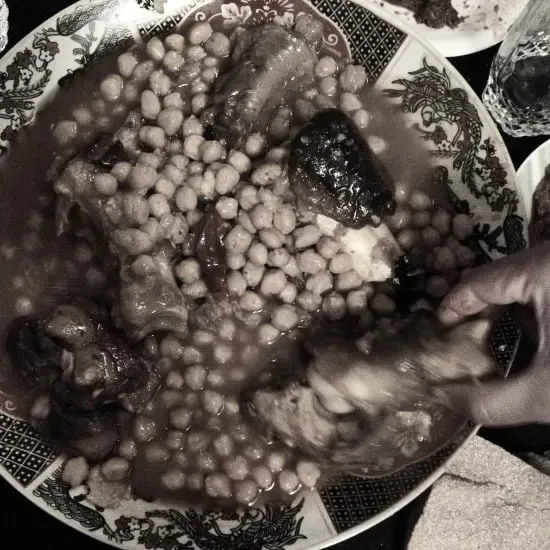 Hearty Moroccan Lkor3in, a traditional dish of slow-cooked sheep feet, offering a glimpse beyond typical Moroccan restaurant menu selections
Ras Dial Llhawli: Steamed Sheep Head
Ras Dial Llhawli, or steamed sheep head, is a celebratory dish, most commonly prepared on the second day of Eid al-Adha (Eid Kbir) following the ritual slaughter of a sheep. The preparation begins with charring the head over coals to remove hair, then it is meticulously cleaned, cut into pieces, and steamed in a pressure cooker until tender. The brain is often cooked separately, while the tongue and eyeballs are integral parts of the meal. Seasoned simply with salt and cumin, the meat boasts a surprisingly rich flavor, often described as similar to bacon, offering a texture that is both tender and unique. While a few specialized “Mechoui alley” eateries in Marrakech might offer it, Ras Dial Llhawli is overwhelmingly a dish of home and tradition.
Boulfaf: Grilled Sheep Liver Wrapped in Caul Fat
Boulfaf is another exquisite delicacy prepared shortly after a sheep slaughter, typically on the same day. The liver is spiced, briefly grilled whole, then sliced into pieces. These pieces are then individually wrapped in delicate caul fat (omentum) and grilled a second time. The caul fat melts during this process, basting the liver and ensuring it remains incredibly moist and flavorful. This meticulous preparation transforms what might otherwise be a simple organ meat into a tender, rich, and highly prized dish. Boulfaf represents a profound respect for ingredients and a culinary artistry rarely seen outside of traditional family settings, making it an unlikely contender for a typical moroccan restaurant menu.
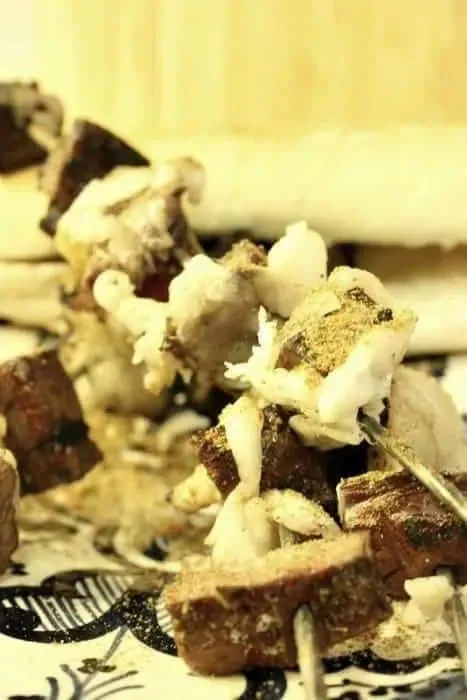 Freshly grilled Boulfaf, spiced sheep liver wrapped in caul fat, a true Moroccan culinary treat absent from most Moroccan restaurant menu offerings
Celebratory Feasts and Everyday Comforts
Beyond the conventional, Moroccan cuisine thrives on a spectrum of dishes that range from elaborate celebratory feasts to comforting daily meals, each imbued with cultural significance. These dishes often feature unique preparations and ingredient combinations that reflect regional diversity and culinary heritage. They serve as pillars of Moroccan hospitality and family life, embodying a warmth and generosity that standard restaurant environments often struggle to replicate.
Rfissa: The Mother’s Meal of Chicken on Shredded M’semmen
Rfissa, affectionately known as “The Mothers’ Meal,” is a deeply flavorful and nourishing dish often prepared for new mothers or during special gatherings. It features tender chicken, lentils, and onions cooked in a rich, aromatic broth infused with a distinctive spice blend, notably fenugreek. This savory mixture is generously poured over a bed of shredded trid (a thin, crepe-like bread similar to m’semmen), allowing the bread to absorb all the delicious flavors. The combination of textures and the complexity of the spices make Rfissa an incredibly comforting and uniquely Moroccan culinary experience, a true testament to the depth of home cooking. Its intricate preparation and significant portion sizes make it a rare sight on an moroccan restaurant menu, primarily remaining a cherished home-cooked specialty.
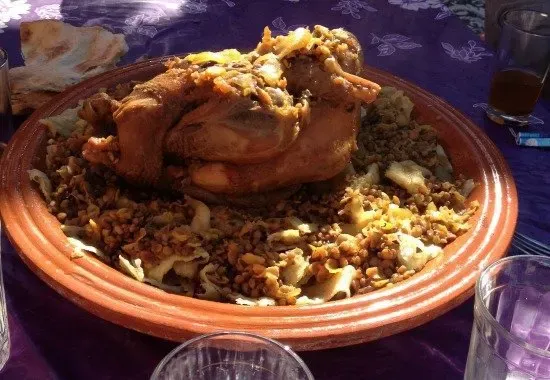 Rich and aromatic Rfissa, a traditional Moroccan chicken dish served on shredded m'semmen, offering a depth rarely found on a typical Moroccan restaurant menu
Breakfast Harira: A Savory Morning Elixir
While the hearty Harira soup is well-known as a Ramadan staple, a lighter, savory version of Harira is commonly enjoyed for breakfast in many Moroccan homes. This morning elixir consists of semolina whisked into boiling water, gradually thickened, and then enriched with milk. Seasoned simply with salt, cumin, and a drizzle of olive oil, it offers a warm, comforting start to the day. Unlike its thicker, more elaborate counterpart, breakfast Harira is meant to be savory, providing a gentle yet satisfying meal. This nourishing porridge offers a glimpse into everyday Moroccan breakfast rituals, a wholesome experience rarely found outside of a home kitchen, and certainly not a typical item on an moroccan restaurant menu.
Conclusion
Exploring beyond the conventional moroccan restaurant menu unveils a captivating world of authentic, home-cooked, and street-side delicacies that define the true breadth of Moroccan cuisine. From unique couscous variants to adventurous offal dishes and hearty celebratory meals, these culinary treasures reflect the nation’s rich history, diverse regions, and profound hospitality. By understanding these lesser-known dishes, one gains a deeper appreciation for the intricate flavors, time-honored traditions, and the unparalleled authenticity that truly characterize Moroccan gastronomy, far surpassing expectations set by common restaurant offerings.
Last Updated on November 5, 2025 by Alex Cesaria

Alex Cesaria is the creative force behind Nomad Girl, an all-day café and ristorante with a signature Milanese flair located in the heart of Nomad, New York City. With years of experience in the hospitality industry, Alex blends refined Italian sensibilities with New York’s energetic dining culture to create a place that feels both elegant and welcoming.