
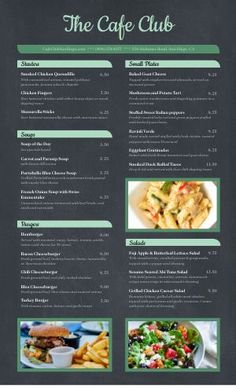
Designing an optimal menu for family restaurant demands a strategic blend of culinary appeal and financial engineering. This document serves as an expert guide, detailing the advanced principles necessary to create a menu that maximizes Profit Margin while delivering an unparalleled Customer Experience (CX). The ideal family restaurant menu must balance diverse tastes, operational simplicity, and the critical inclusion of specialized Kid-Friendly Options. Success in this market hinges on leveraging Menu Engineering principles and understanding fundamental Menu Psychology.
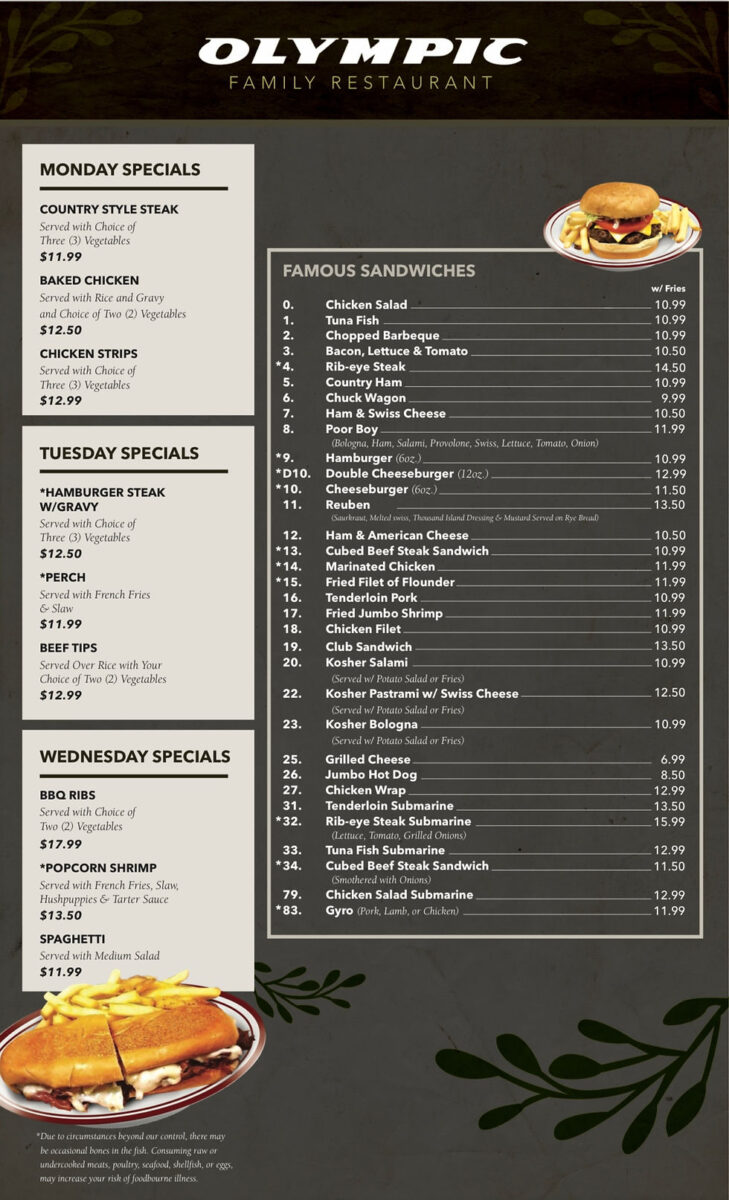
Core Principles of Menu Engineering for Family Dining
Menu engineering is the disciplined, data-driven process of pricing and placement to optimize profitability. For a family restaurant, this is essential. The goal is to steer customers toward high-profit, low-cost “Star” items. The physical layout and descriptive language of the menu significantly influence purchasing decisions.
Segmenting Menu Items by Profitability
Every item on the menu must be classified into one of four categories based on its popularity and profitability. This matrix forms the foundation of all menu design decisions. Understanding this segmentation is crucial for sustained financial health.
Stars: High Popularity, High Profitability
These are the ideal items for any menu for family restaurant. They should be prominently featured in high-visibility areas. Descriptions should be rich and evocative, increasing their perceived value. These are the dishes the kitchen can produce efficiently.
Plow Horses: High Popularity, Low Profitability
Plow Horses are essential for driving traffic and satisfying core demand. They cannot be eliminated. The strategy is to slightly increase their price or reduce their preparation cost. Alternatively, pair them with high-profit add-ons.
Puzzles: Low Popularity, High Profitability
These items need a strategic intervention. They are profitable but overlooked. Tweak the dish name, description, or placement. Consider bundling them into a family combo to boost sales. A skilled kitchen can turn a Puzzle into a Star.
Dogs: Low Popularity, Low Profitability
Dogs must be eliminated or immediately reformulated. They drain kitchen resources and inventory space without contributing to the bottom line. Removing these items simplifies operations and frees up capital.
Strategic Menu Structure: Addressing Diverse Palates
A family restaurant serves a wide demographic. This mandates a clear, intuitive menu structure that caters to adults seeking refined flavors and children requiring simpler, faster options. Organization must prioritize ease of ordering.
Appetizers and Shareable Starters
This section serves as a crucial revenue stream. Appetizers boost the average check size and keep patrons engaged while main courses are prepared. Shareable starters are particularly effective in a family setting. They encourage group interaction.
Appetizers should offer a range of flavor profiles. Include light, fresh options and heavier, fried selections. Ensure appetizers use common ingredients shared by the main menu. This minimizes inventory complexity.
The Categorization of Main Courses
Main courses must be clearly categorized, not simply listed. Grouping by protein (Chicken, Seafood, Beef, Vegetarian) or preparation style (Curries, Wok-Fried, Grilled) prevents decision paralysis. Clarity is essential for a harried family ordering quickly.
The Role of Classics and Signatures
Every effective menu for family restaurant balances classic, expected comfort foods with unique, high-quality signature dishes. Classics provide a baseline of trust and familiarity. Signature dishes offer the opportunity for culinary differentiation and higher price points. The inclusion of a head chef’s expertise, for example, lends authenticity and elevates the dish.
The Criticality of the Dedicated Kid-Friendly Options
The children’s menu is the single most important factor for a family restaurant’s repeat business. A satisfied child ensures the return of the entire family unit. This section must be highly visible and intelligently curated. It is not an afterthought.
Designing the Optimal Children’s Menu
The kids’ menu should be presented separately and focus on speed, familiarity, and perceived value. It must address both the child’s desire for comfort food and the parent’s desire for a healthier, affordable option.
Familiarity and Comfort
Common items like chicken nuggets, mac and cheese, and plain pasta are staples. These are safe choices that minimize risk for parents. The key is to source high-quality ingredients for these familiar items.
The “Hidden” Healthy Option
Integrate a subtle, healthy alternative. Offer vegetable sides or fruit slices instead of fries. Use language that appeals to the child while reassuring the parent. “Power Pasta” or “Super Star Chicken” works better than “Whole Wheat Pasta.”
Pricing and Portions
Children’s meals should be fixed-price for simplicity. Portions must be controlled to manage food costs. Waste reduction is a significant factor in kids’ menu profitability. Offering a beverage and a small dessert bundled simplifies the experience.
Advanced Menu Psychology and Design Layout
The visual and psychological presentation of the menu dictates how customers navigate choices and perceive value. Effective design moves beyond aesthetics. It actively guides the customer journey.
Strategic Placement: The Sweet Spot
Research suggests diners gravitate toward specific areas of a menu. The center and the upper right corner are the prime sweet spots. Place high-profit Star items strategically in these zones. Avoid listing prices in a column format.
The Power of Descriptive Language
Detailed, evocative descriptions increase perceived value. Using adjectives that appeal to the senses is vital. For example, “Hand-rolled Flat Rice Noodles with Smokey Wok Char” sounds far more appealing than “Stir-fried Noodles.” This technique is proven to increase sales by up to 27%.
Avoiding Price Anchor Points
Do not use currency signs (e.g., $15.00). Present the price simply as a number (15). This subtle difference minimizes the customer’s focus on the financial cost. Listing the most expensive item first can also make subsequent items appear more reasonably priced.
Leveraging Signature Dishes: The Case Study in Authenticity
Signature dishes, exemplified by the authentic preparation of a cuisine’s classics, are crucial for a family restaurant seeking a distinct identity. They provide the “wow” factor that drives positive reviews and word-of-mouth marketing.
The Importance of Culinary Expertise
Having a dedicated, skilled chef ensures consistency and authenticity. A signature Green Curry or Pad See Ew, when executed with precision and traditional ingredients, becomes a powerful selling point. This validates the restaurant’s quality claims.
From Familiar to Exceptional
Take a common item and execute it flawlessly. A Tom Kha Goong, for example, is a familiar Thai staple. When prepared with the perfect balance of creamy coconut milk, pungent galangal, and fresh lime, it transcends the ordinary. This level of execution justifies a premium price.
Operationalizing the Menu: Kitchen and Inventory Flow
The menu is not just a marketing tool. It is an operational blueprint. A poorly designed menu can lead to kitchen bottlenecks, excessive waste, and slow service. Menu design must be fully integrated with kitchen capacity.
Ingredient Optimization and Cross-Utilization
A smart menu for family restaurant maximizes ingredient cross-utilization. The same core proteins or vegetables should appear in multiple dishes. This reduces inventory holding costs and minimizes spoilage. It also simplifies the ordering process.
Streamlining Kitchen Processes
Too many unique dishes clog the kitchen line. The menu should be designed so that all items can be prepared efficiently. This means grouping items that require the same cooking station (e.g., all wok dishes together). This ensures rapid order fulfillment, crucial when serving impatient families.
The Role of Beverage and Dessert Strategy
Beverages and desserts are often the highest-profit items on any menu. They must be aggressively marketed. Waitstaff training should emphasize upselling these products, especially to families.
Family-Friendly Beverage Combos
Offer family-size beverage options. Pitchers of iced tea, large carafes of juice, or specialized non-alcoholic cocktails can increase sales volume. Make sure to feature house-made signature drinks with high-profit margins.
Dessert as a Closing Statement
Desserts should be simple, high-impact, and appeal to both adults and children. A shared dessert is an excellent way to cap the family dining experience. Offer small, affordable treats for children as part of their fixed-price meal.
Continual Evolution and Menu Audits
A menu is a living document, not a fixed artifact. It requires regular, detailed audits to ensure it remains profitable and relevant. Market trends, seasonal ingredient availability, and customer feedback necessitate ongoing review.
Data-Driven Adjustments
Conduct a full menu engineering analysis quarterly. Track sales, food cost, and contribution margin for every item. Use this data to justify price increases, position changes, or dish elimination. Never change the menu based on intuition alone.
Seasonal Flexibility
Incorporate seasonal specials that allow for testing new high-profit Puzzles without committing to a permanent menu change. This keeps the menu fresh for regulars. This flexibility ensures the restaurant remains dynamic and responsive to supply chain changes.
The success of any family restaurant is intrinsically tied to the performance of its menu. By applying the rigorous principles of menu engineering, prioritizing the clarity of structure, and making the children’s dining experience paramount, operators can create a profitable, appealing, and enduring menu for family restaurant. The blend of culinary expertise and psychological design ensures both customer satisfaction and financial viability.
Last Updated on December 4, 2025 by Alex Cesaria

Alex Cesaria is the creative force behind Nomad Girl, an all-day café and ristorante with a signature Milanese flair located in the heart of Nomad, New York City. With years of experience in the hospitality industry, Alex blends refined Italian sensibilities with New York’s energetic dining culture to create a place that feels both elegant and welcoming.