
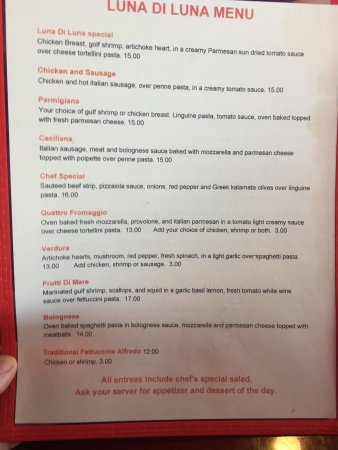
Navigating the full luna di luna restaurant menu reveals a dedication to classic, comforting Italian cuisine. This detailed examination goes beyond mere listing, offering an in-depth look at the restaurant’s core pasta offerings and their underlying value proposition. For those seeking a satisfying and authentic dining experience, understanding this menu’s structure is key. This analysis will provide a framework for appreciating the quality and depth of the pasta selection available, setting the stage for a confident order.
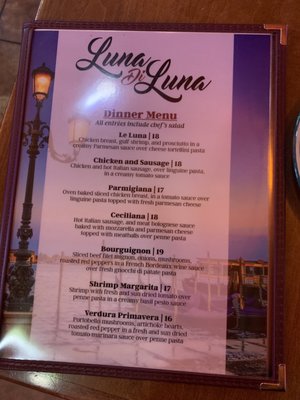
A Deep Dive into the Luna Di Luna Restaurant Menu Structure
The menu at Luna Di Luna is elegantly structured, prioritizing familiar and well-loved Italian-American pasta dishes. The price points are remarkably consistent, suggesting a strong focus on delivering excellent value. This approach is strategically designed to appeal to a broad customer base looking for quality meals without excessive spending. The emphasis on specific pasta and sauce pairings is a cornerstone of the establishment’s culinary identity.
The Core Pasta Offerings: Tradition Meets Innovation
The foundation of the menu rests on seven distinct pasta preparations, each showcasing a different facet of Italian-American cooking. These offerings balance the deeply traditional with slight modern adaptations. This blend ensures the menu feels both familiar and exciting to first-time and returning guests alike. The restaurant’s expertise shines through in the thoughtful construction of these classic plates.
Analyzing the Hearty Meat and Spice Selections
The Chicken and Sausage dish is a perfect example of comfort food elevated by careful execution. Priced at $15.00, it features chicken and sausage tossed with fettuccine in a creamy tomato sauce. The “creamy tomato sauce” provides a luxurious texture that is richer than a standard marinara, balancing the savory meats perfectly. This is a hearty and deeply satisfying option, ideal for cooler evenings.
The Napolitana offers a contrasting experience, focusing on heat and robust flavor profiles. Also $15.00, it combines hot Italian sausage, fresh onions, and bell pepper in a hot marinara sauce over spaghetti. The use of a “hot marinara sauce” indicates a deliberate inclusion of spice, a nod to Southern Italian cooking styles. It is a vibrant and zesty dish that truly showcases the intensity of quality sausage and peppers.
The Signature Dishes: Richness and Premium Ingredients
The Le Luna is arguably the menu’s premium offering, priced at $16.00. This dish brings together tender chicken breast and Gulf shrimp, signifying a step up in ingredient cost and complexity. It is served over fettuccine in a creamy parmesan sauce, making it incredibly rich and decadent. The smooth, velvety sauce adheres beautifully to the fettuccine, ensuring every bite is flavorful. The marriage of surf and turf in a creamy context makes this a popular indulgence.
The Chef Special is another strong contender for the menu’s highlight at $16.00. It features spaghetti in a traditional Bolognese sauce, topped with a meatball, and then baked under a blanket of mozzarella and parmesan cheese. Baking the dish adds a crucial layer of textural complexity and cheesy crust. This dish is a monumental serving of Italian comfort, blending multiple preparations into one cohesive, deeply savory plate.
Value and Pricing Analysis: Budget-Friendly Italian Excellence
The pricing structure, with most main dishes falling between $13.00 and $16.00, solidifies the restaurant’s position as a high-value dining choice. This is particularly noticeable in the cost-effective customization options. The base pricing reflects a commitment to affordability without sacrificing the portion size or quality expected from Italian dining. This strategic pricing helps attract a steady flow of clientele seeking delicious, accessible food.
Examining the Cinco Formaggio and Parmigiana Value
The Cinco Formaggio, at $13.00, is the most accessible rich, baked pasta option. It is served over penne pasta in a creamy tomato parmesan sauce. The dish serves as an excellent vegetarian-friendly base, which is a key component of its broad appeal. Customers can add chicken or shrimp for a reasonable surcharge, demonstrating flexible value. This customization allows diners to control both their budget and their protein choice.
The Parmigiana is another pillar of value at $15.00. Customers choose from a meatball, chicken, or shrimp filling, served in a tomato parmesan sauce and oven-baked over penne. The choice of protein at a consistent price point is a strong incentive for diners. Oven baking the dish not only ensures a warm, bubbly finish but also enhances the savory, melt-in-your-mouth texture of the cheese.
The Benchmark: Fettuccine Alfredo
The simple Fettuccine Alfredo is offered at a very competitive $12.00, establishing a baseline for the restaurant’s pasta pricing. This classic dish is a pure test of the kitchen’s ability to create a simple, flawless cream sauce. The fact that adding chicken or shrimp raises the price to $15.00 highlights the precise cost structure. This $3.00 premium for protein is a transparent and fair pricing strategy.
The Culinary Philosophy: Ingredients, Technique, and Context
The careful selection of dishes and the detail in the descriptions provide strong signals about the kitchen’s underlying philosophy. The menu speaks to a reverence for tradition while acknowledging modern dining expectations for customization and ingredient focus. The commitment to using specific sauces for specific pasta types reveals a genuine respect for Italian culinary rules.
Sauce Craftsmanship: Marinara, Alfredo, and Beyond
The variety of sauces on the luna di luna restaurant menu is essential to its success. The restaurant utilizes at least four distinct sauce categories, each serving a specific textural and flavor role. Mastering these foundational sauces is the hallmark of a competent Italian kitchen. Each sauce is crafted to complement the chosen protein and pasta shape perfectly.
Creamy Sauces: Parmesan and Tomato Cream
The creamy parmesan sauce in the Le Luna and the creamy tomato parmesan in the Cinco Formaggio demonstrate a focus on richness. These sauces are often built on a base of heavy cream, butter, and cheese, offering a velvety texture. They are typically paired with flat, thick pasta like fettuccine or penne, allowing the sauce to cling effectively. This ensures a luxurious mouthfeel with every forkful.
Robust Red Sauces: Marinara and Bolognese
The menu features both a basic marinara and a more complex Bolognese, illustrating the depth of their red sauce repertoire. The Traditional Meatball uses a simple marinara, allowing the flavor of the fresh onion, peppers, and meatball to dominate. Conversely, the Chef Special utilizes a Bolognese—a slow-cooked, meat-based sauce—for a more profound and savory depth. The difference between these sauces showcases a nuanced approach to Italian staples.
The Role of Pasta Types: Fettuccine, Penne, and Spaghetti
The choice of pasta is not arbitrary; it follows established rules for sauce pairing. The kitchen expertly matches the pasta shape to the sauce’s consistency and weight. This technical attention to detail significantly enhances the overall enjoyment of the dish. This meticulous pairing is a critical sign of expertise in Italian cooking.
Spaghetti, with its long, round strands, is ideal for thinner, lighter sauces like marinara and Bolognese, as seen in the Napolitana and Chef Special. Fettuccine, being a flat, wider noodle, is reserved for thick, creamy sauces, which is why it is used for the rich Alfredo and Le Luna dishes. Penne, a tube-shaped pasta, is often selected for baked or creamy sauces, as its shape holds the sauce inside and stands up well to baking, as demonstrated by the Cinco Formaggio and Parmigiana.
Practical Dining Insights and Menu Flexibility
Understanding the menu goes hand-in-hand with understanding the potential dining experience. The dishes are designed to be served quickly and consistently, making it an excellent choice for a weekday lunch or a casual family dinner. The focus on customizable and universally appealing items speaks to a service model centered on customer satisfaction. This reliability is an important element of the restaurant’s reputation.
Catering to Diverse Palates and Dietary Considerations
While the menu is heavily focused on pasta and meat, the options for modification are clear and generous. The Cinco Formaggio serves as a strong meat-free option that can be upgraded with protein. The clear pricing for adding chicken or shrimp across multiple dishes demonstrates a flexible model. This level of menu transparency is crucial for diners managing dietary considerations or simply seeking variety.
The inclusion of the basic Fettuccine Alfredo also caters to younger diners or those with very simple tastes. Conversely, the Napolitana caters directly to those who prefer a spicy kick to their meal. The breadth of the menu ensures that nearly every preference is accounted for within the pasta category. The restaurant successfully balances traditional appeal with modern demand for flexibility.
What the Menu Says About the Overall Dining Experience
The short, focused menu suggests an operational efficiency that translates into a dependable product. Restaurants with concise menus tend to perfect their core offerings, leading to higher quality and faster service. This emphasis on staple dishes suggests a comfortable, non-intimidating atmosphere. The menu reinforces the idea of a neighborhood spot where the focus is on good, honest food.
The consistent use of ingredients—such as various applications of parmesan, mozzarella, and house-made sauces—allows the kitchen to streamline its process. This consistency is a pillar of reliability and contributes to the restaurant’s overall positive perception. Customers know exactly what to expect: large portions of well-executed, classic Italian food at a fair price. The menu acts as a promise of quality and consistency.
Enhancing the Value Proposition Through Ingredient Focus
To further appreciate the value inherent in the luna di luna restaurant menu, one must consider the quality of the primary ingredients. The mention of “Gulf shrimp” in the Le Luna is a deliberate choice to signal quality over standard farmed varieties. This attention to sourcing, even for an accessible menu, elevates the perceived value significantly. It subtly positions the restaurant above competitors who might use lesser-quality alternatives.
The inclusion of both “fresh onion and peppers” in the Napolitana and Traditional Meatball indicates a commitment to utilizing fresh, aromatic produce. The difference between a fresh vegetable and a pre-cut, frozen one is immediately discernible in the final dish’s taste and texture. This use of fresh components adds a necessary brightness and complexity to the slow-cooked sauces. This small detail proves that the kitchen is dedicated to authentic preparation.
The choice of using hot Italian sausage over a mild variety in the Napolitana is a key flavor decision. This type of sausage provides a depth of flavor and heat that permeates the marinara, creating a more robust and memorable experience. Similarly, the house-made (or expertly sourced) meatballs used in the Traditional Meatball and Chef Special must be dense, flavorful, and seasoned correctly. The quality of the meat component is paramount to the success of these classic dishes.
The pasta itself is another area where quality must be consistent. Given the specific pairings, the restaurant likely uses high-quality semolina pasta that holds up well to both creamy and chunky sauces. Properly cooked pasta, or al dente, is the unsung hero of any Italian meal. The successful execution of multiple pasta types suggests a strong commitment to quality control in the cooking process. The fact that the menu focuses so heavily on pasta means its preparation must be flawless.
The consistent pricing allows the restaurant to commit to these higher standards without pricing out their core demographic. The efficient use of a few core ingredients in many different forms (e.g., chicken appearing in three dishes, shrimp in three) allows for bulk ordering and minimized waste. This intelligent operational structure is what enables the delivery of such high quality at such competitive prices.
Final Summary and Culinary Impact
The focused luna di luna restaurant menu provides a clear and compelling narrative of classic Italian-American comfort food. Through a detailed analysis of its concise structure, it is evident that the menu is built on a strong foundation of traditional sauces, proper pasta pairing, and exceptional value. The dishes, from the rich Le Luna to the classic Fettuccine Alfredo, are executed with a focus on consistency and flavor, ensuring a high-quality dining experience. This menu is a testament to the restaurant’s ability to offer satisfying, reliable, and expertly prepared Italian staples that appeal to the masses.
Last Updated on December 5, 2025 by Alex Cesaria

Alex Cesaria is the creative force behind Nomad Girl, an all-day café and ristorante with a signature Milanese flair located in the heart of Nomad, New York City. With years of experience in the hospitality industry, Alex blends refined Italian sensibilities with New York’s energetic dining culture to create a place that feels both elegant and welcoming.