
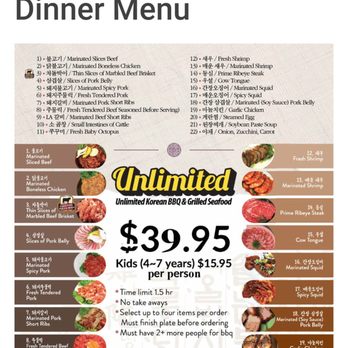
The comprehensive korean palace restaurant menu reveals a rich tapestry of classic Korean cuisine, positioning this San Jose establishment as a culinary destination for both traditionalists and newcomers. This menu is not merely a list of dishes but a curated journey into the heart of Korean Barbecue and staple comfort foods. Understanding the depth of offerings, from intricate starters like Mandu to rich main courses such as Gal Bi Tang, is essential for a truly rewarding dining experience. The menu’s structure, combined with premium selections, highlights a commitment to authenticity and quality, underpinned by essential side dishes known as Banchan.
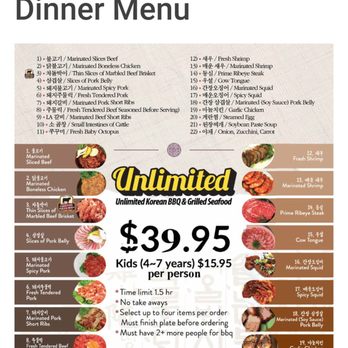
The Foundation: Appetizers and House Specials
The opening section of the Korean Palace menu establishes a strong start with a selection of appetizers that are vital to the shared Korean dining experience. These initial offerings are designed to stimulate the palate and often represent simple, yet deeply satisfying, traditional fare. The variety ensures that every diner has a savory start before progressing to the main events of the meal.
Exploring the Art of Korean Dumplings (ManDoo)
ManDoo, or Korean dumplings, are featured prominently, showcasing both the classic and specialty preparations. The menu lists Boiled and Pan-fried ManDoo, each containing homemade beef and vegetable fillings. The slight difference in preparation—steaming versus frying—yields vastly distinct textures, catering to different preferences for softness or crispiness.
A premium option is the Pan-fried Shrimp ManDoo, which elevates the standard offering with the delicate flavor of seafood. These are essential for diners looking for a light, crisp, and flavorful start to their meal. The choice between boiled and pan-fried is a fundamental decision in Korean dining, influencing the overall balance of the meal.
Iconic Comfort Food: Tteokbokki and Pancakes
The menu includes several popular Korean street food and comfort items that translate perfectly into restaurant appetizers. The Spicy Rice Cake, or Tteokbokki, offers a chewy texture from the rice cakes, perfectly coated in a spicy, savory gravy with fish cake and vegetables. This dish is known for its bold, addictive flavor profile, making it a favorite among those who enjoy a little heat.
Korean pancakes, or Jeon, offer a contrasting texture and flavor, primarily focusing on savory, egg-battered goodness. The Seafood Pancake (Haemul Pajeon) is a quintessential choice, featuring green onions, bay shrimp, and calamari in a crispy, pan-fried batter. Other sophisticated variants include the Codfish Pancake and the more luxurious Oyster Pancake, showcasing the kitchen’s ability to handle various seafood ingredients. For the undecided, the Combination Pancakes provide a sampling of cod fish, oysters, shrimp, and ground beef, an excellent choice for a communal starter.
The Heart of Korean Cuisine: Barbecue Selections
The Korean Barbecue section is arguably the centerpiece of the Korean Palace restaurant menu, reflecting the cultural importance of grilling and sharing meat. These selections are typically marinated to perfection, resulting in tender, flavor-infused meats that are cooked tableside or prepared by the kitchen to the highest standards.
Marinated Meats: Chicken, Pork, and Beef BBQ
The range of marinated meats caters to all preferences, from poultry to beef. Boneless Chicken BBQ is offered in both regular and spicy house sauces, providing a choice between a mild, sweet-savory profile and a fiery kick. The consistency of the boneless preparation ensures ease of cooking and eating, focusing purely on the flavor of the marinade.
Spicy Pork BBQ is another essential fixture, utilizing thinly sliced tender pork soaked in a complex, fiery house sauce. This dish is a favorite for its deep, rich flavor that carries a significant amount of heat. The classic BBQ Beef, featuring thinly sliced Rib Eye Steak, is marinated in the special house sauce, delivering a balanced sweet and savory taste that appeals to a broad audience.
The Premium Cut: LA Short Rib (LA Gal Bi) and Hand-Cut KalBi
For those seeking the pinnacle of Korean BBQ, the short rib options are a must-try. The LA Short Rib (LA Gal Bi) is famous for its lateral cross-cut, which exposes bone marrow and allows the marinade to penetrate deeply into the tender meat. This results in an exceptionally juicy and flavorful experience, a true benchmark of quality Korean grilling.
The Hand-Cut KalBi represents the highest tier of the short rib offering, a traditional cut that typically requires specialized preparation. This premium selection of juicy, tender short ribs marinated in the house special sauce is reserved for the connoisseur, offering a richer texture and superior taste profile. The Combo Special provides a comprehensive tasting experience, featuring marinated short ribs, sliced beef, boneless chicken, and spicy pork, ideal for large parties or adventurous diners.
Rice, Bowls, and Staples
Rice-based dishes form the backbone of everyday Korean dining, providing nourishing and balanced meals. The Korean Palace offers a specialized selection of bowls and fried rice that serve as either complete standalone meals or comforting accompaniments. These options emphasize flavor and a perfect mix of textures and nutrients.
A Deep Dive into Bibimbap
Bibimbap, meaning “mixed rice,” is one of the most globally recognized Korean dishes, and the menu offers several compelling versions. The standard Rice Bowl BiBimBap is a vibrant assembly of seasoned vegetables, rice, and an egg, allowing for a choice of meat to be added. The preparation emphasizes the fresh and healthy aspect of Korean cuisine, served with Gochujang (chili paste) for customized seasoning.
The Hot-Pot Rice Bowl, or Dolsot Bibimbap, offers a crucial difference in serving method. Served in a sizzling hot stone-pot, the rice at the bottom becomes crispy, creating a highly coveted, crunchy texture. This version, served with the essential Banchan, provides a full, multi-layered dining experience. The specialty Beef Tartare Rice Bowl (Yukhoe Bibimbap) introduces seasoned raw beef to the mix, a delicacy for those seeking an authentic and unique flavor.
Elevated Staples: Fried Rice and House Specials
The menu also includes simpler, yet satisfying, staples such as Fried Rice, available with various meat options and a mix of vegetables and eggs. This dish caters to those who prefer a straightforward, familiar comfort food. Separately, the House Special (S) and (L) are traditional Korean lunch or bento boxes, offering an individually packaged, convenient selection of premium Korean dishes, perfect for a quick, high-quality meal.
Warmth and Flavor: Soups and Stews (Jjigae)
Soups and stews, collectively known as Jjigae, are an integral part of nearly every Korean meal, offering deep, savory broths rich with flavor. The Korean Palace provides an extensive list of these warming, nourishing dishes, often served with steamed rice and a kimchi side for a complete meal.
Traditional Favorites: Kimchee Jige and Dwen Jang Jige
Two of the most popular and culturally significant stews are Kimchee Jige and Dwen Jang Jige. Kimchee Jige features the bold, fermented flavors of kimchi, pork, and vegetables simmered in a spicy broth, a quintessential Korean comfort food. Dwen Jang Jige is the Korean equivalent of miso soup, a hearty bean paste stew with tofu and vegetables, offering an earthy, savory, and less spicy alternative to the kimchi version.
Specialty Soups: Gal Bi Tang and Yuk Gai Jang
The menu features several specialty soups that highlight complex, long-simmered broths. Gal Bi Tang is a deeply flavored beef rib and neck bone soup, known for its clear, rich, and restorative broth, often sought after for its nourishing properties. Yuk Gai Jang is a spicy beef strip soup with vegetables, characterized by its vibrant red color and potent heat, a stimulating and hearty meal. The Seafood Soup and Codfish Soup further expand the Jjigae section, introducing the refreshing, clean flavors of the sea to the stew options.
Beyond the Grill: Sauteed and Seafood Dishes
Moving beyond the traditional BBQ and stews, the Sauteed and Seafood sections showcase the versatility of Korean cooking methods. These dishes focus on the rapid cooking of ingredients in flavorful sauces, resulting in complex, textural, and satisfying entrees.
Spicy and Savory Sautees
The Sauteed section provides several non-soup based main dishes perfect for sharing. Sauteed Calamari is a popular spicy dish, featuring tender calamari and vegetables tossed in a fiery house sauce. The Stir-fried Vegetables offers a lighter alternative, showcasing assorted vegetables in a delicate house sauce. The Sauteed Kimchi, served with pork and a side of tofu, is a hearty, flavorful dish that perfectly balances the sourness of the kimchi with the richness of the pork.
Ocean’s Bounty: Pan-Fried and Brazed Seafood
The menu offers an authentic selection of seafood, extending beyond the appetizers and into main courses. Pan Fried Mackerel (Godeungeo-gui) and Pan Fried Yellow Croaker are classic preparations, highlighting the natural flavor of the fish with a simple seasoning and crisp frying. For a more premium option, the Brazed Chilean Seabass is a casserole of seabass slowly simmered with radish chunks in a spicy house sauce, a testament to the kitchen’s ability to prepare upscale, intricate seafood stews (Jjim).
The Side Story: Banchan and Beverages
The experience of the korean palace restaurant menu is incomplete without acknowledging the sides and beverages. Banchan are the small, often complementary, side dishes that accompany a Korean meal, providing textural and flavor contrast.
The Set of Side Dishes is a comprehensive accompaniment, typically including cabbage kimchi, radish kimchi, soybean sprouts, spinach, and fish cakes. These sides are essential for cleansing the palate between bites of richer fare. The beverage selection includes staples like canned soda and sparkling water, but also distinct Korean drinks such as Milkis and ChilSung Cider, offering unique, non-alcoholic refreshment to complement the food.
Slurping Satisfaction: Noodle Delights
The final section of the menu is dedicated to Noodles, covering both cold and hot preparations. Korean noodles are celebrated for their distinctive textures and ability to carry intense flavors.
The classic NaengMyun is a seasonal favorite, featuring buckwheat noodles served in an icy cold house beef broth. This dish is incredibly refreshing, providing a perfect counterpoint to the heat of the summer months or the richness of the BBQ. BiBimNaengMyun is the dry, spicy version, where the buckwheat noodles are seasoned with a potent, spicy house sauce, preferred by those who enjoy a strong, fiery flavor without the broth. Finally, Jab Chae is a well-loved savory dish of thin sweet potato noodles sautéed with beef and vegetables, known for its slightly sweet and chewy texture.
The extensive korean palace restaurant menu ensures that every customer, whether they are a devoted fan of Korean Barbecue or a casual diner exploring the depth of Bibimbap, will find a dish to satisfy their craving. From the savory warmth of Mandu appetizers to the complex, nourishing stews like Gal Bi Tang and the refreshing NaengMyun, this menu in San Jose serves as a comprehensive and authentic guide to Korean culinary traditions.
Last Updated on December 3, 2025 by Alex Cesaria

Alex Cesaria is the creative force behind Nomad Girl, an all-day café and ristorante with a signature Milanese flair located in the heart of Nomad, New York City. With years of experience in the hospitality industry, Alex blends refined Italian sensibilities with New York’s energetic dining culture to create a place that feels both elegant and welcoming.