
For those seeking an authentic taste of Seoul in the heart of Texas, exploring the gomonae restaurant menu is the essential first step into one of Dallas’s most revered Korean dining destinations. Gomonae Restaurant transcends the typical dining experience, offering a menu that is a meticulous expression of Authentic Korean Cuisine deeply rooted in tradition and exceptional flavor. This comprehensive examination is designed to prepare diners for a culinary journey that highlights classic stews, marinated meats, and complex rice dishes, solidifying Gomonae’s standing in the vibrant Dallas dining scene. Key highlights include the stone bowl classic dolsot bibimbap and the deeply savory Doenjang Jjigae. The lesser-known Sugurae Gukbop also makes a compelling case for the adventurous palate.
Decoding the Gomonae Menu: A Focus on Regional Authenticity
The true measure of a Korean restaurant’s authenticity often lies in its adherence to traditional cooking methods and the regional focus of its offerings. The Gomonae menu is not an overly modernized interpretation; it is a dedicated presentation of classic, home-style Korean fare. This intentional focus elevates the dining experience, distinguishing it from the often-simplified versions found elsewhere.
The Significance of Banchan and the Korean Table Setting
Before any main course arrives, the table is set with banchan, the collective term for a variety of small, side dishes. At Gomonae, the quality and variety of these side dishes are an immediate indicator of the kitchen’s commitment to excellence. These are not mere appetizers; they are integral components of every Korean meal. They provide contrasting and complementary flavors, textures, and temperatures to the main dish. The traditional Korean meal structure emphasizes balance and variety, and the selection of kimchi, seasoned vegetables, and marinated items served as banchan is a non-negotiable part of the authentic dining ritual. A well-executed banchan selection showcases the deep culinary skills of the chefs.
Stews and Soups: The Heart of Korean Comfort
Korean stews and soups, known as jjigae or guk, are central to the cuisine, providing warmth and deep, umami-rich flavors. The Gomonae menu excels in this category, offering dishes that are both hearty and profoundly satisfying. These items are often served boiling hot, a testament to their freshness and traditional presentation.
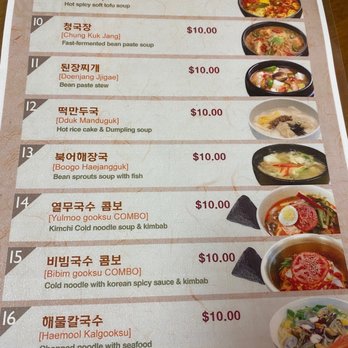
The Doenjang Jjigae (Soybean Paste Stew) is a mandatory experience. It is built upon doenjang, a deeply flavorful, fermented soybean paste that provides an earthy, savory base. This staple often includes tofu, various vegetables, and sometimes meat or seafood, offering a comforting and complex profile. Its richness is distinctly different from the spiciness of other Korean stews.
Another popular choice is the Soon Dubu (Soft Tofu Stew). This dish features uncurdled, silky-soft tofu simmered in a spicy broth, often fortified with seafood or beef. The contrast between the fiery broth and the delicate, melt-in-your-mouth texture of the tofu is what makes it a favorite. An egg is typically cracked into the hot bowl just before serving, poaching instantly in the broth.
For the adventurous palate, the Sugurae Gukbop (Spicy Beef Broth with Rice) offers a robust and intense flavor. Gukbop literally means “soup with rice,” and this particular rendition showcases a deeply savory, often spicy, beef-based broth. It is a regional specialty known for its rich flavor and restorative qualities, embodying true Korean comfort food.
Signature Meat Dishes: Marinated Excellence
The Korean dining experience is incomplete without its celebrated marinated meat dishes. Gomonae provides exquisite examples of the care and precision required for these classics. The balance between sweet, savory, and spicy notes is key to their success.
The Marinated Thin Slices of Beef, commonly known as Bulgogi, is perhaps the most universally beloved Korean meat dish. The preparation is meticulous, involving thin cuts of tender beef marinated in a sauce of soy sauce, sugar, sesame oil, garlic, and sometimes pureed pear or onion to tenderize the meat naturally. The result is a profoundly savory and slightly sweet flavor profile that appeals to all palates. At Gomonae, the quality of the marination is evident in the tenderness of the meat.
For those who favor heat, the Spicy Pork offers an invigorating counterpoint to the Bulgogi. This dish features tender cuts of pork marinated in a vibrant gochujang-based sauce. Gochujang, or Korean chili paste, provides a complex heat that is savory and smoky rather than purely fiery. The depth of flavor in the marinade demonstrates an advanced understanding of spice and balance, ensuring the pork remains flavorful and tender through the cooking process.
Rice and Noodle Classics: Balancing Flavor and Texture
The core of the Korean meal is rice (bap), and several of Gomonae’s most popular offerings feature it prominently, often transformed into complex, single-bowl meals.
The Dolsot Bibimbap is a must-try. Dolsot refers to the traditional stone bowl in which the dish is served. The bowl is pre-heated to an extreme temperature, allowing the rice at the bottom to become perfectly crisp and golden brown while the mixture is eaten. This dish combines a medley of seasoned vegetables (namul), marinated meat (or tofu/egg for vegetarian options), and a raw or fried egg, all artfully arranged over white rice. The diner then mixes the ingredients with a spoonful of gochujang to create a harmonious blend of textures and tastes, where the final, sizzling nurungji (scorched rice) at the bottom is a delicacy.
The Rice Cake and Dumpling Soup (Tteok Mandu Guk) is a classic, particularly popular during colder months or for celebratory meals. It features thin slices of rice cake (tteok) and handmade dumplings (mandu) simmered in a clear, savory beef or anchovy broth. The dish offers a delightful interplay of textures—the chewy rice cake and the tender, flavorful filling of the dumplings. Gomonae’s reputation for this dish stems from the freshness of the mandu and the clean, deeply satisfying nature of the broth.
For noodle enthusiasts, the Seafood Noodle Soup provides a rich alternative. This dish features various seafood elements simmered in a flavorful broth, often resulting in a slightly spicy and refreshing taste. The noodles are typically thick and chewy, providing a satisfying texture against the fresh seafood.
The E-E-A-T of Gomonae: Expertise Behind the Flavors
The exceptional quality of the Gomonae menu is a direct reflection of the expertise (E-E-A-T) embedded within its operation. The consistency praised by diners is not accidental; it is the result of disciplined, expert preparation rooted in a genuine passion for Korean gastronomy.
Ingredient Sourcing and Preparation Integrity
Authentic Korean cooking demands high-quality, often imported, ingredients for staple items like gochujang, doenjang, and specific cuts of meat. The flavor profile of a dish like Fast-Fermented Bean Paste Soup relies heavily on the quality of the fermented paste used. A truly exceptional Korean restaurant maintains integrity by resisting substitutes and sourcing ingredients that deliver the necessary depth and complexity. Furthermore, the time-honored preparation of ingredients, such as meticulously slicing beef for Bulgogi or preparing the dozens of vegetable components for Bibimbap, highlights the high level of specialized skill in the kitchen.
Serving Temperature and Presentation: The Art of Hanjeongsik
The presentation and serving temperature of Korean food are crucial to the dining experience. Dishes like the Dolsot Bibimbap and the various Jjigae and Guk must be served scalding hot to achieve their desired effect and flavor transformation. This attention to detail is part of the tradition of Hanjeongsik (Korean full-course meal), where every dish is presented thoughtfully and simultaneously, emphasizing a communal and sensory experience. The Gomonae kitchen’s ability to consistently deliver dishes with the correct temperature, texture, and visual appeal is a testament to the kitchen’s mastery and efficiency. The prompt service noted by customers underscores the well-managed operations required to execute this style of dining.
Navigating the Vegetarian and Seafood Selections
While Korean cuisine is often associated with its robust meat dishes, the Gomonae menu successfully caters to various dietary needs, demonstrating the versatility inherent in traditional Korean food. The classification of the restaurant as “Korean, Vegetarian” signals a strong commitment to plant-based options.
Dedicated Vegetarian Options: More Than Just Banchan
The depth of the menu allows for satisfying vegetarian meals that go far beyond a simple salad. Many stews, like the Soon Dubu and Doenjang Jjigae, can be prepared without meat, relying on the complex flavors of the fermented bean paste, tofu, and vegetables for richness. The Dolsot Bibimbap is also easily adapted, focusing on the beautiful array of seasoned vegetables (namul) and a fried egg. This commitment ensures that all diners can participate in the authentic Korean culinary experience without compromise. The focus is always on flavor and authenticity, never on creating an inferior substitute.
Exploring the Depth of Seafood Offerings
Seafood is a vital component of Korean cuisine, especially in coastal regions, and Gomonae’s offerings capture this tradition. The Seafood Noodle Soup is an excellent example, showcasing the natural sweetness of various shellfish and fish-based broths. This dish provides a lighter, often more refreshing alternative to the heavier meat-based soups, while still delivering a powerful, savory punch. The utilization of different seafood elements in both soups and some banchan adds an essential dimension to the overall menu diversity.
Customer Favorites: A Menu Guide for First-Timers
For guests unfamiliar with the breadth of Korean cuisine, the menu can feel overwhelming. Focusing on the established customer favorites provides an excellent starting point that guarantees a high-quality experience. These dishes are popular precisely because they are executed flawlessly at Gomonae.
The Ultimate Comfort Food: Dolsot Bibimbap
This dish is a favorite for its interactive presentation and perfect balance. It is an entire meal contained in one sizzling bowl, combining fresh, savory, and spicy elements. The textural excitement of the crispy rice at the bottom ensures that the dish is not only delicious but also memorable. It is often cited as a must-order for first-time visitors seeking an iconic Korean dish.
The Korean BBQ Staple: Bulgogi
The Marinated Thin Slices of Beef appeals to nearly every palate due to its balanced, accessible flavor profile. Gomonae’s rendition, praised for its tenderness and authentic marinade, serves as an excellent introduction to Korean meat preparation techniques. Its slight sweetness and rich savory notes make it a deeply satisfying main course.
The Deep, Savory Flavor: Doenjang Jjigae
The Doenjang Jjigae is the choice for those seeking a more traditional, earthy flavor. Unlike the bright heat of gochujang-based stews, this dish offers a complex, savory depth derived from the fermented bean paste. It is a warm, nourishing selection that speaks directly to the soul of Korean home cooking and is consistently recognized as a standout on the menu.
The dining experience at Gomonae, centered around its meticulously prepared gomonae restaurant menu, offers a genuine taste of Korea through expert preparation and a dedication to classic flavors. From the vibrant array of banchan to the robust stews and perfectly marinated meats, the menu serves as a high-value guide to authentic Korean gastronomy in Dallas. The restaurant’s popularity is built on its ability to execute these traditional dishes with remarkable consistency and skill.
Last Updated on November 30, 2025 by Alex Cesaria

Alex Cesaria is the creative force behind Nomad Girl, an all-day café and ristorante with a signature Milanese flair located in the heart of Nomad, New York City. With years of experience in the hospitality industry, Alex blends refined Italian sensibilities with New York’s energetic dining culture to create a place that feels both elegant and welcoming.