
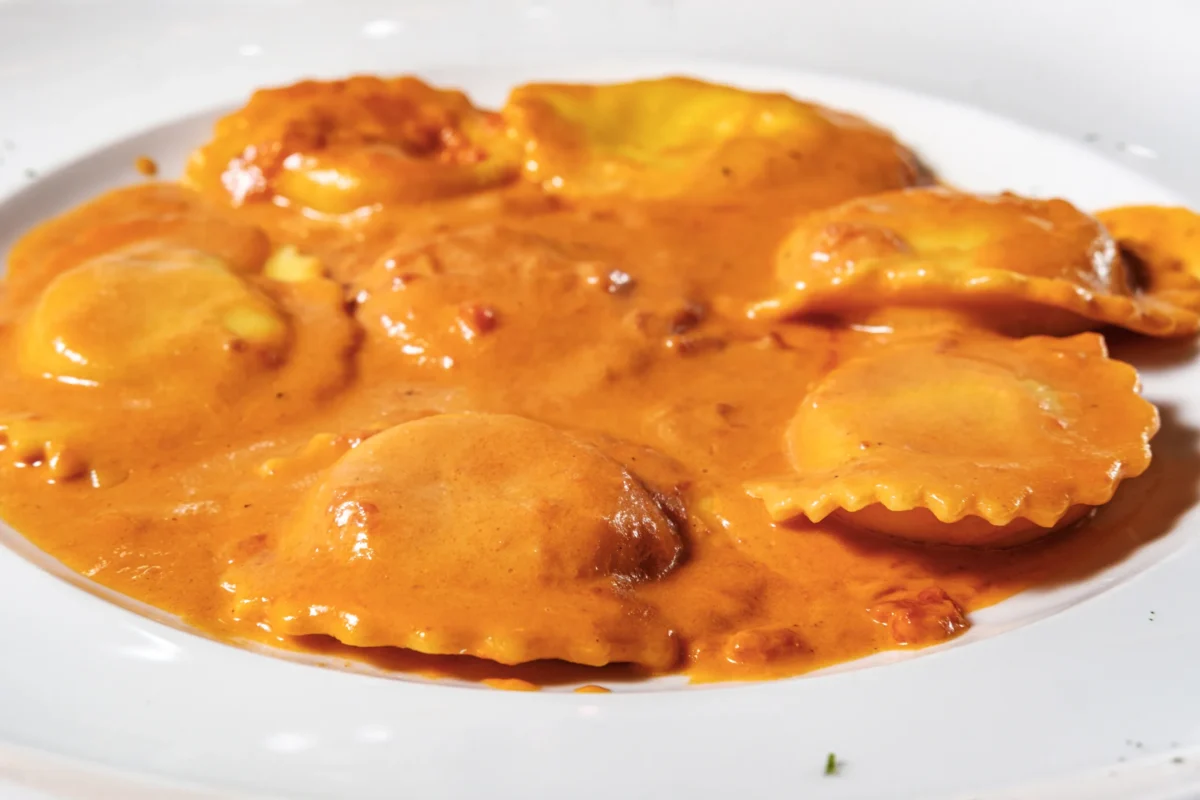
Exploring the definitive gelone restaurant menu reveals a compelling approach to classic Italian-American dining. This specific prix-fixe offering, set at an accessible $45 per person, is designed for effortless group dining. It curates a journey through traditional dishes, highlighting robust flavor profiles and generous portions. The menu structure promises a full, multi-course experience, making it a valuable introduction to authentic Italian-American cuisine.
Analyzing the Value Proposition: The $45 Prix-Fixe Structure
The fixed-price model at $45 per person, excluding tax and gratuity, is a calculated offering. It is strategically designed to simplify decision-making for large groups or private events. This structure removes the complexity of individual ordering while ensuring a predetermined cost for the host. The inclusion of appetizers, pasta, salad, three main courses, and beverages represents significant value. This model is a hallmark of traditional Italian hospitality, emphasizing abundance and shared plates. The complete meal minimizes hidden costs, providing transparency from the outset.
The menu composition is a deliberate curation of Italian-American classics. It serves as a benchmark for the restaurant’s commitment to quality and consistency. The careful selection ensures broad appeal across various palates and dietary preferences. Guests receive a thorough representation of the kitchen’s capabilities, moving from light starters to rich, savory entrées.
The Philosophy of Family-Style Starters
The meal commences with Hot and Cold Appetizers served “Family Style,” encouraging communal interaction. This format immediately sets a convivial tone for the dining experience. The choice covers diverse textures and preparations, a crucial element for a successful opening course.
Fried Calamari provides a universal palate pleaser, judged on the lightness of its batter and the tenderness of the squid. A truly excellent preparation avoids the pitfall of oiliness, delivering a crisp, golden exterior. The accompanying marinara must be bright and fresh, cutting through the richness of the fried item.
Eggplant Rollatine exemplifies comforting Italian baking. Thin slices of eggplant are lightly fried or baked, then rolled around a blend of ricotta and herbs. They are baked again in tomato sauce until bubbling and tender. The dish is a perfect balance of smoky eggplant, creamy cheese, and acidic tomato.
Clams Oreganata showcases simple, ingredient-focused preparation. Littleneck clams are topped with a mixture of breadcrumbs, oregano, garlic, and olive oil. They are baked until the clam meat is plump and the topping is golden brown. This starter highlights the inherent sweetness of fresh seafood.
Mussels Red Sauce offers a deeper, more aromatic experience. Mussels are steamed in a rich, seasoned tomato broth, often featuring white wine and red pepper flakes. The quality of the sauce is paramount, designed for dipping with crusty Italian bread. This item introduces a hint of the Mediterranean culinary style.
The cold appetizers, Bruschetta and Caprese, provide a fresh, counterbalancing element. Bruschetta features toasted bread rubbed with garlic and topped with diced tomatoes, basil, and olive oil. Caprese is a simple yet elegant display of fresh mozzarella, ripe tomatoes, and fresh basil, drizzled with balsamic glaze. These dishes deliver an essential acidity and lightness to the appetizer selection.
The Essential Pasta Course: A Study in Sauces
The pasta course acts as the culinary heart of the meal, a nod to Italy’s gastronomic heritage. Guests choose one dish for the group, making the selection a consensus decision that must satisfy varying tastes. The four choices represent the core methodologies of Italian-American saucemaking.
Penne Vodka remains a modern classic, offering a creamy, slightly sweet, and savory profile. The inclusion of vodka helps emulsify the sauce, preventing the cream from separating and allowing the tomato flavor to integrate smoothly. A skilled preparation features perfectly al dente penne coated in a velvety, pale pink sauce.
Rigatoni Marinara is the foundational standard, relying entirely on the quality of the tomatoes, garlic, and basil. This simple sauce showcases the pure, unadulterated flavor of Italian cooking. The tubular rigatoni is ideal for capturing the rustic chunks of tomato. This dish is the litmus test for the kitchen’s dedication to traditional simplicity.
Farfalle Puttanesca introduces a more aggressive, pungent flavor profile. The sauce is built on a base of tomatoes, typically including black olives, capers, anchovies, and garlic. The piquancy from the capers and olives provides a delightful complexity. The bow-tie (farfalle) shape is effective at holding the rich, textured sauce.
Penne Primavera rounds out the selection with a lighter, vegetable-forward option. It combines penne with a medley of fresh seasonal vegetables, often in a light cream and tomato sauce blend. The success of this dish lies in the freshness of the vegetables and the delicate nature of the sauce. It appeals strongly to those seeking a brighter, less intense dish before the main course.
Following the richness of the pasta, the Mixed Green or Caesar Salad serves as a cleansing interlude. The mixed greens offer a basic, palate-resetting freshness, usually dressed with a simple vinaigrette. The Caesar salad, conversely, provides a sharp, savory contrast with its characteristic dressing, croutons, and Parmesan cheese. This course is brief but critical for preparing the diner for the substantial entrées to follow.
Navigating the Entrée Selection: Chicken, Veal, and Fish
The entrée section offers the most diversity, requiring the group to choose three main dishes from a comprehensive list of chicken, veal, and fish options. This variety ensures that every diner finds a suitable protein and preparation style. The depth of the menu reflects an experienced approach to catering for varied palates. The selection process highlights the gastronomic depth embedded within the gelone restaurant menu.
Mastery of Chicken Entrées
The chicken preparations showcase the versatility of a lean protein when paired with rich, complex sauces. The core ingredient is typically a boneless breast of chicken, providing a blank canvas for flavor.
Chicken Marsala is a quintessential example of Italian-American cooking, featuring chicken breast sautéed with mushrooms in a savory Marsala wine reduction. The sauce should be dark, glossy, and intensely mushroom-flavored, balancing the sweetness of the wine with the earthiness of the fungi.
Chicken Sorrentino is a more decadent dish, layering chicken with prosciutto, mozzarella, and eggplant. It is finished in a brown sauce, often derived from veal stock. This preparation is a textural symphony of tender chicken, salty ham, creamy cheese, and soft eggplant. The richness elevates the simple chicken breast.
Chicken Francese is defined by its bright, zesty preparation. The chicken is dipped in an egg and flour mixture and sautéed in a sauce of white wine, lemon, and butter. The sauce should be light and delicate, not overly thick, providing a clean, tangy finish.
Chicken Pizzaiola offers a vibrant, rustic flavor profile. The chicken is sautéed with a tomato sauce base, then fortified with roasted peppers, mushrooms, and black olives. The robust, slightly smoky vegetables infuse the sauce with deep flavor. This dish has a distinctly Southern Italian sensibility.
Chicken Saltimbocca (meaning “jumps in the mouth”) uses prosciutto and spinach, often secured with a toothpick, sautéed with Madeira wine. The salty prosciutto melts slightly into the chicken, and the Madeira wine provides a deep, slightly sweet, fortified flavor that binds the dish together. The preparation must be quick to keep the chicken tender.
The Tradition of Veal Preparations
The veal selections mirror the chicken options in style but introduce the distinct, delicate flavor and texture of veal. Veal, being a more tender cut, requires a more measured hand in preparation to avoid dryness. The variety in this section is a testament to the kitchen’s technical expertise.
Veal Marsala is executed by sautéing thin slices of veal with mushrooms and Marsala wine. The sauce’s depth is amplified by the veal’s flavor, creating a more sophisticated, nuanced dish than its chicken counterpart. The thin slices require a rapid sauté.
Veal Pizzaiola adapts the rustic tomato, pepper, and olive sauce to the veal. The delicate meat absorbs the strong, savory flavors of the pizzaiola sauce readily. It is a hearty option that foregrounds the robust Italian seasonings.
Veal Piccata is a classic preparation that emphasizes bright flavors. Thin slices of veal are sautéed in a sauce built from white wine, lemon juice, and capers. The capers provide a salty, briny burst that contrasts beautifully with the tart lemon. This dish demands an exacting balance of the three core elements.
Veal Saltimbocca pairs the thin veal slices with prosciutto and spinach, sautéed in Madeira wine. The veal’s tenderness makes this version particularly luxurious. The saltiness from the ham permeates the veal during the quick cooking process, ensuring a deeply savory experience.
Veal Francese uses the same egg-and-flour batter, white wine, lemon, and butter sauce as the chicken version. However, the veal’s inherent richness creates a smoother, more elegant interaction with the bright, acidic sauce. The delicate nature of the meat requires a precise cooking time.
Veal Sorrentino once again layers the veal with prosciutto, mozzarella, and eggplant. The use of veal stock in the brown sauce often enhances the umami depth of this preparation. This dish is considered one of the more elaborate and richer options on the menu.
Sourcing and Preparation of Seafood Options
The inclusion of three distinct fish preparations ensures that the group can also select a lighter, non-meat protein. The seafood is presented with classic Mediterranean influences, highlighting fresh flavors.
Tilapia Marechiaro features a fresh tilapia filet sautéed in a light tomato sauce with basil and garlic. Marechiaro refers to a light preparation style, often incorporating cherry tomatoes and white wine, keeping the focus squarely on the subtle flavor of the fish itself. It is a clean, aromatic dish.
Salmon Al Vino Bianco provides a richer fish option, where the fillet of salmon is sautéed with white wine, lemon, and garlic. The sauce should be an emulsion, slightly thickening the wine and lemon juice. The salmon’s natural oils stand up well to the bright, acidic sauce, creating a balanced, luxurious dish. The preparation is straightforward but requires high-quality, fresh salmon.
Filet of Sole Oreganata involves baking the sole after topping it with a mixture of bread crumbs, oregano, garlic, and herbs. It is finished with white wine, lemon, and butter. Baking the fish ensures a tender, flaky interior while the breading creates a savory crust. This method prevents the delicate sole from drying out and infuses it with aromatic Italian herbs. The oregano is a dominant, flavorful anchor in this preparation.
The Final Notes: Desserts, Coffee, and the Complete Experience
The comprehensive Gelone restaurant menu concludes with a thoughtful selection of Coffee, Desserts, and Soda. This final sequence completes the traditional multi-course dining ritual. The dessert component, though not detailed, is usually a selection of Italian classics such as tiramisu, cannoli, or cheesecake. This sweet finish provides a pleasant counterpoint to the savory meal.
The inclusion of coffee and soda rounds out the $45 per person price point. Coffee is an essential element in Italian dining, often served as espresso or cappuccino to aid digestion. The overall structure of the menu ensures that every element of a complete dining experience is covered. This fixed-price structure simplifies the logistics of a large gathering, allowing guests to focus entirely on conversation and enjoyment. The value offered, combined with the quality of the classic preparations, creates a memorable and satisfying event. The focus on family-style appetizers and choice of entrées caters specifically to the dynamics of shared celebration.
The detailed breakdown of the Gelone restaurant menu confirms its standing as a formidable choice for classic Italian dining. The meticulously structured $45 prix-fixe ensures a satisfying and comprehensive multi-course meal, expertly balancing classic preparations across antipasti, pasta, and protein options. It delivers an experience rooted in tradition and generosity, solidifying the gelone restaurant menu as a high-value, highly recommended option for any large party seeking authentic, quality Italian-American cuisine in a refined setting.
Last Updated on November 30, 2025 by Alex Cesaria

Alex Cesaria is the creative force behind Nomad Girl, an all-day café and ristorante with a signature Milanese flair located in the heart of Nomad, New York City. With years of experience in the hospitality industry, Alex blends refined Italian sensibilities with New York’s energetic dining culture to create a place that feels both elegant and welcoming.