
The contemporary movement toward ethical dining has put the farm to fork restaurant menu at the forefront of the culinary world. This concept emphasizes the shortest distance between the farm and the plate, celebrating seasonal ingredients and supporting local agriculture. A successful farm-to-fork establishment does more than just serve fresh food; it embodies a holistic culinary philosophy built on transparency and integrity. By deconstructing the architecture of such a menu, we reveal a commitment to sustainable sourcing and the mindful use of organic produce. This approach is crucial for building a menu architecture that is both meaningful and memorable for the modern diner.
The Philosophical Foundation of Farm-to-Fork Cuisine
The farm-to-fork paradigm transcends a simple marketing trend, serving as a guiding principle for responsible food preparation. This philosophy dictates that menus must adapt continuously, reflecting the actual availability of ingredients from local farms. It challenges chefs to be more creative by restricting their pantry to only what is currently in season. This restriction ultimately drives innovation and ensures maximum flavor in every dish.
A commitment to farm-to-fork principles guarantees the freshest possible ingredients, leading to dishes with superior nutritional value and intense flavors. Sourcing locally drastically reduces the carbon footprint associated with long-distance food transportation. This environmentally conscious choice resonates deeply with an increasingly aware customer base. The integrity of the menu begins with direct relationships between the restaurant and its farmers.
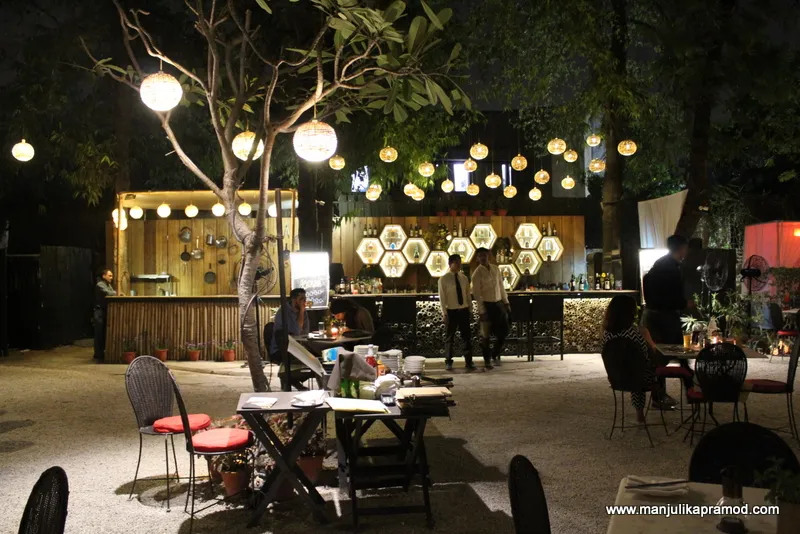 Open dining area of a garden restaurant, illustrating the farm-to-fork ethos
The Ambiance: An Extension of the Farm Concept
A restaurant’s setting often reinforces the sustainable sourcing message inherent in its menu. A garden restaurant, for instance, provides a physical and visual connection to nature and the source of the food. The expansive, green, and botanical setting of such a venue acts as a symbolic extension of the farm itself. It grounds the dining experience in the natural world.
Thoughtful design elements, such as ample open-air seating and subtle, non-intrusive lighting, enhance the natural feel. Different seating arrangements—from cozy corners to tented sofas—contribute to an elegant, low-key, and soft aesthetic. This atmosphere intentionally guides the focus back to the quality and simplicity of the seasonal ingredients being served. The serene environment prepares the diner for the healthful, unadulterated flavors that define the menu.
Deconstructing the Farm-to-Fork Menu Architecture
The structure of a genuine farm-to-fork menu is typically concise and deliberate, reflecting a limited, yet perfectly fresh, selection. Having a focused offering ensures that every ingredient can be sourced and utilized at its peak. This minimalist approach contrasts with the sprawling menus of conventional establishments.
The menu architecture must tell a story of the harvest, moving logically from light, palate-awakening starters to robust, nourishing main courses. Every dish must serve a clear purpose, emphasizing the natural flavor profile of the star organic produce. This structure provides both clarity and confidence to the diner, confirming the restaurant’s commitment to freshness and quality.
Appetizer Analysis: Highlighting Ingredient Integrity
Appetizers on a farm-to-fork menu are designed to showcase the purest form of the seasonal ingredients. They are often light, featuring raw or minimally processed components to foreground freshness. These opening courses set the stage for the culinary journey ahead. They serve as a promise of the quality that follows.
Appetizer One: The Chilled Green Pea and Mint Soup
A chilled soup is an excellent vehicle for delivering the crispness of spring and early summer organic produce. The combination of fresh green peas and vibrant mint creates a beautiful color and a complex, herbaceous aroma. While cold soups can be polarizing, the success of this dish lies in the sheer freshness of the ingredients. The immediate flavor experience is a direct taste of the garden, clean and sharp.
It is a dish that appeals particularly to those who appreciate the subtle, natural sweetness of garden peas. The mint acts as a powerful aromatic counterpoint, lifting the earthiness of the peas. The presentation of such a dish should be immaculate, visually confirming the use of organic produce through its intense, natural color.
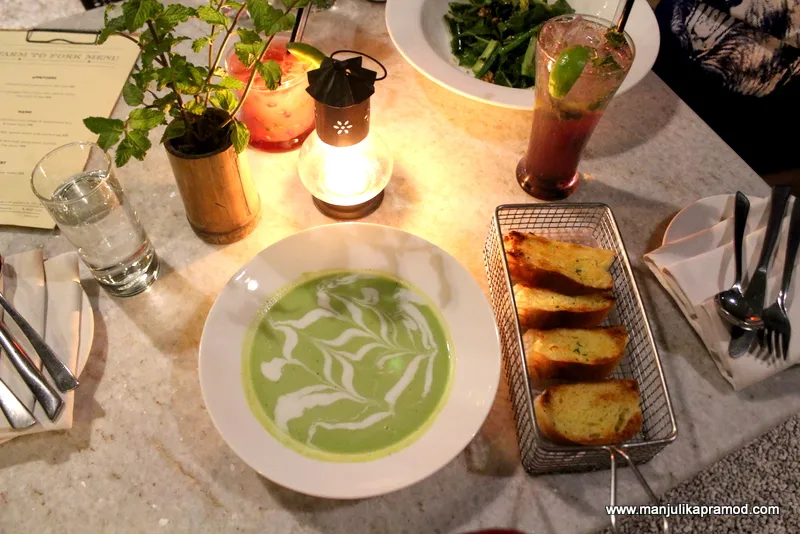 Chilled farm fresh green peas and mint soup, a starter on a farm to fork restaurant menu
Appetizer Two: Asparagus, Beans, Swiss Chard, and Walnut Salad
This assorted salad is a masterful combination of contrasting textures and complementary flavors. It serves as a visual platter of green vitality, highlighting multiple seasonal vegetables in one vibrant presentation. The inclusion of asparagus, runner beans, and Swiss chard speaks directly to the availability of spring and early summer harvests.
The healthy appeal is undeniable, but the culinary success rests on the dressing and the addition of crunch. Walnuts introduce a rich, nutty flavor and a necessary textural contrast to the leafy greens and tender beans. A light dressing of honey and lime balances the bitterness of the Swiss chard, tossing the deep green leaves into a fabulous, cohesive whole. Swiss chard, a beet grown for its leaves, adds a robust, slightly earthy element.
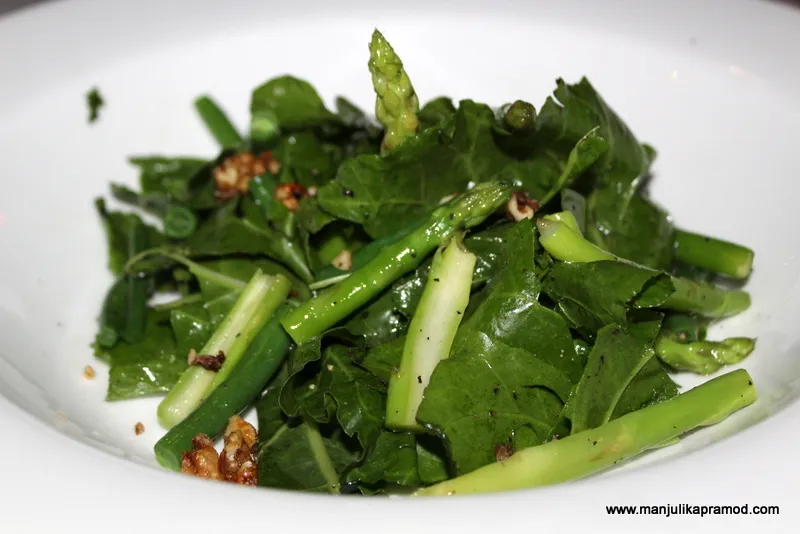 Green asparagus, runner beans, swiss chard and walnut salad from a farm to fork menu
Main Course Philosophy: Prioritizing Wholeness and Flavor
The main course section of an farm to fork restaurant menu must deliver on both flavor and nutritional substance. Dishes are often characterized by their emphasis on whole, unprocessed grains and fresh vegetables, treating proteins as complementary accents. The goal is a truly healthful indulgence, where the freshness of the ingredients minimizes the need for heavy sauces or excessive fats.
All main dishes should demonstrate the kitchen’s ability to extract complex flavors from simple, high-quality organic produce. The dishes must stand on their own merits, showcasing the unique taste profiles of the seasonal ingredients. This approach validates the entire farm-to-fork ethos, proving that healthy eating does not compromise on culinary excellence.
Handcrafted Fettuccini with Spring Vegetables and Basil
Pasta dishes on a farm-to-fork menu must utilize homemade components to maintain a connection to artisanal preparation. Homemade fettuccini provides a superior texture and mouthfeel that industrial pasta cannot replicate. The sauce should move away from the heavy, creamy versions toward a lighter, herbaceous infusion.
The unique flavor comes from pieces of spring onion, broccoli, and fresh basil, which are tossed with the flat pasta. This light application prevents the dish from becoming saucy, allowing the natural flavor of the organic produce to dominate. The incorporation of fresh basil and spring onion offers a vibrant, aromatic lift. Feta cheese can be added judiciously, but the strength of the dish is in the vegetables.
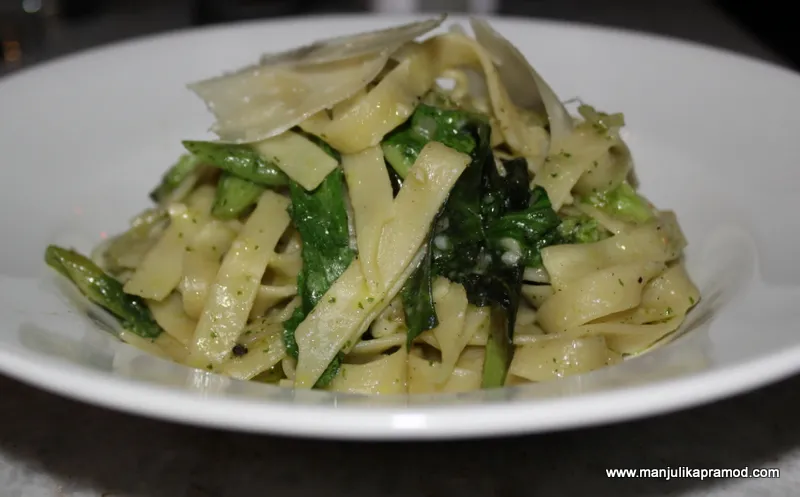 Homemade fettuccini with fresh basil, spring onion, broccoli, rocket and feta cheese
The Risotto Model: Shallots, Spinach, and Poached Egg
A farm-to-fork risotto reimagines this classic Italian comfort food by prioritizing whole grains over excessive cheese. Using unpolished brown rice provides a distinct, nutty texture and a nutritional upgrade that sets it apart from traditional white rice risottos. The selection of shallots, sugar snap peas, and baby spinach underscores the dedication to seasonal ingredients.
Shallots, members of the onion family, contribute a subtle, rich sweetness that enhances the depth of the dish without overpowering it. The herbs and spices must be used expertly to pop out their own distinct, savory flavors. Crowning the dish with a perfectly poached egg adds a final element of richness and completes the meal from a protein perspective. The overall presentation should be simple and focused, reflecting its wholesome nature.
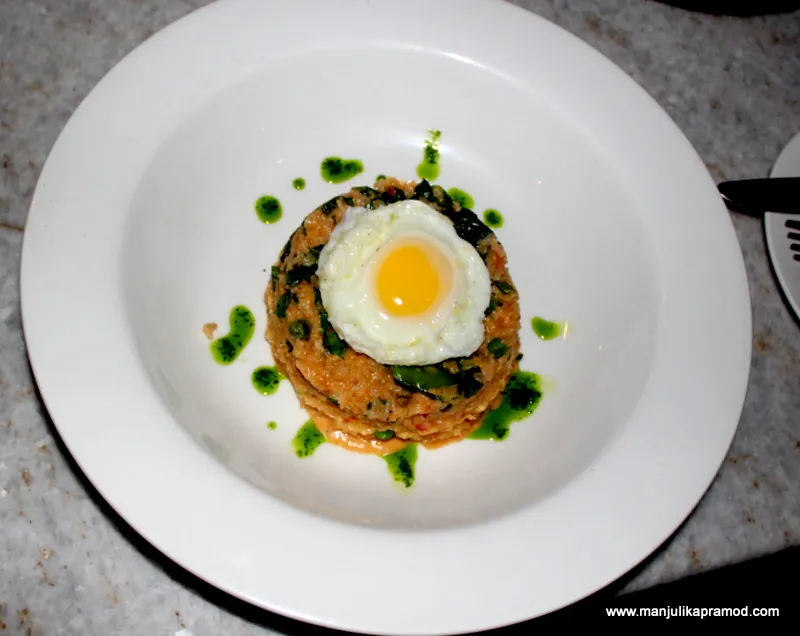 Risotto with shallots, sugar snap peas, and baby spinach, embodying farm to fork sustainability
Pan-Seared Grouper: The Protein Anchor
The inclusion of a perfectly executed fish dish demonstrates the menu’s versatility and its commitment to diverse, responsibly sourced proteins. Pan-searing is an ideal preparation method, creating a tender, juicy interior and a crisp exterior without heavy batters or frying. The focus remains on the quality of the fish itself.
The accompanying vegetables are key to the culinary philosophy. Braised red cabbage provides a sharp, tangy counterpoint that adds an essential zing to the mild fish. Steamed snow peas offer a fresh, clean, and slightly sweet crunch. A light lemon sauce is the perfect finish, adding acidity and brightness that complements the grouper’s mild flavor. This dish offers a compelling argument for sustainable, healthy seafood preparation.
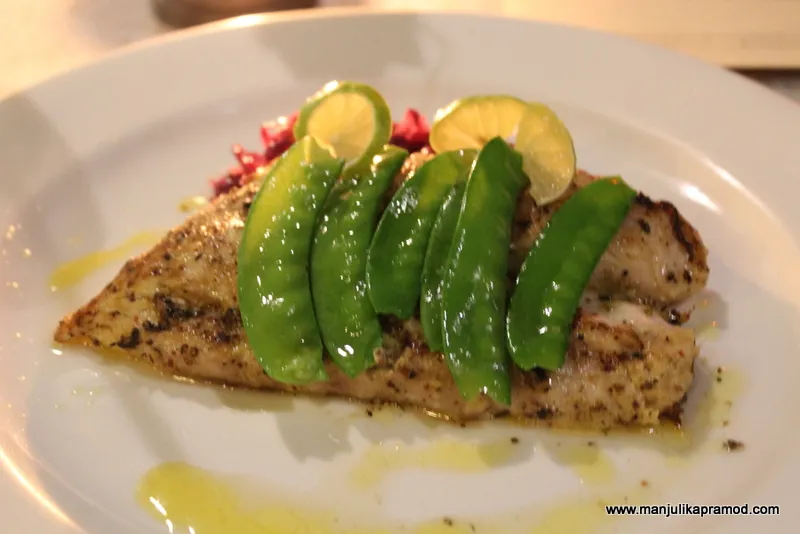 Pan-seared grouper with braised red cabbage and steamed snow peas, a farm to fork restaurant menu example
Dessert and Beverages: The Final Seasonal Statement
The dessert course on a farm-to-fork menu is often a direct and simple showcase of fruit, serving as a seasonal punctuation mark. The inherent sweetness and vibrancy of fresh fruit are the star, requiring minimal adulteration. This segment reinforces the seasonal ingredients commitment one last time.
The Role of Seasonal Ingredients in Dessert
A single dessert item suggests a focus on the fruit currently at its peak. Strawberry, mint, and lime sorbet is a prime example of utilizing fresh, seasonal berries. The visual appeal, with fresh mint leaves against a vibrant red background, is high. However, the execution must balance the fruit’s natural sweetness with the appropriate texture. If the icy content is too aggressive, it detracts from the fruit’s flavor. The best iterations of this dessert allow the fruit to shine, potentially offering a transformative experience if allowed to soften into a vibrant, icy drink.
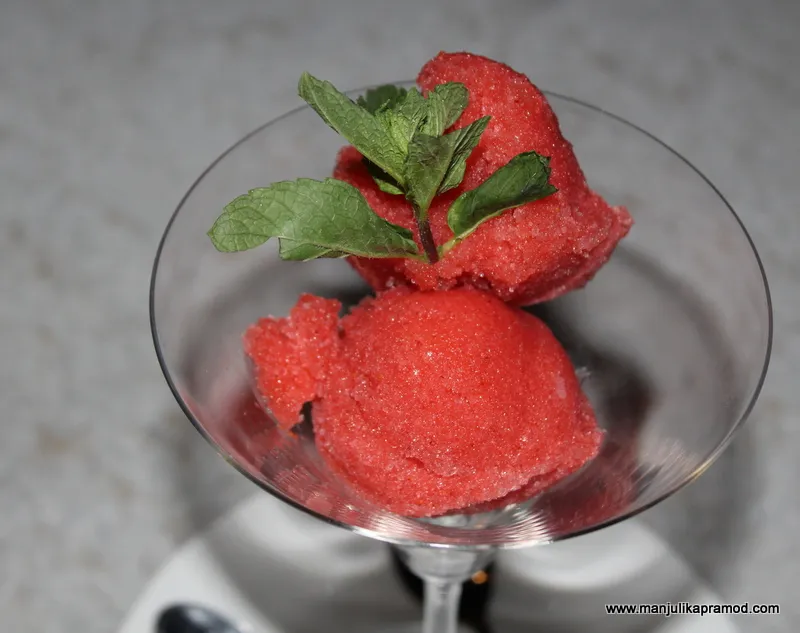 Fresh strawberry, mint and lime sorbet, a dessert option for a farm to fork menu
Beverage Pairing: The Pomegranate Mocktail
The beverage selection, even in non-alcoholic form, should continue the emphasis on fresh, simple flavors. A pomegranate mocktail is a suitable choice, offering a refreshing and seasonal pairing for the menu. Pomegranate’s slight tartness, when balanced, provides a beautiful complexity. However, adhering to the culinary philosophy of not masking the ingredients means avoiding excessive sweetness. The drink should be a light, effervescent complement, not a sugary distraction.
The E-E-A-T of the Farm-to-Fork Model
The overall dining experience is a testament to the high standards of E-E-A-T (Experience, Expertise, Authoritativeness, and Trustworthiness) within the farm-to-fork model. The experience is enhanced by the serene, green ambiance. The expertise is demonstrated through the thoughtful and precise preparation of fresh, seasonal ingredients. The authoritative nature is established by the clear, concise menu, which serves as a statement of intent. The trustworthiness is built upon the promise of sustainable sourcing and organic produce.
The garden setting contributes to the overall culinary philosophy, making the entire visit feel like a curated journey through a harvest. Every dish, from the chilled soup to the pan-seared fish, confirms a dedication to serving food that is both flavorful and genuinely healthful. While minor adjustments in execution—such as the texture of a cold dessert—can always be refined, the core value proposition of fresh, garden-grown ingredients remains absolute. The complete experience is more than a meal; it is an affirmation of ethical and conscious consumption.
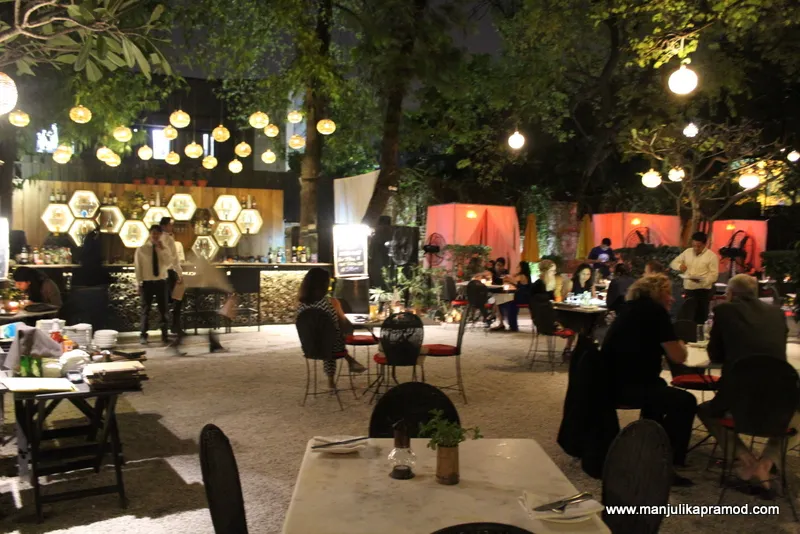 Lodi The Garden Restaurant at Lodi Road, highlighting a premier sustainable dining location
The creation and execution of a compelling farm to fork restaurant menu is the ultimate expression of a commitment to responsible, high-quality dining. It requires continuous collaboration with local farmers and an unwavering dedication to using seasonal ingredients at their peak freshness. This detailed analysis reveals that such a menu is a blueprint for healthful, clean eating, prioritizing the natural flavors and nutritional value of organic produce. When executed with precision and a clear culinary philosophy, a farm-to-fork experience provides an invaluable, satisfying, and deeply ethical dining journey for every guest.
Last Updated on November 26, 2025 by Alex Cesaria

Alex Cesaria is the creative force behind Nomad Girl, an all-day café and ristorante with a signature Milanese flair located in the heart of Nomad, New York City. With years of experience in the hospitality industry, Alex blends refined Italian sensibilities with New York’s energetic dining culture to create a place that feels both elegant and welcoming.