
For individuals managing celiac disease or gluten sensitivities, the restaurant menu is not merely a list of dishes; it is a critical health document. Scrutinizing the esther restaurant menu highlights a pervasive issue in the dining industry: the gap between labeling and execution. Menu claims regarding dietary accommodations must be meticulously accurate. An inaccurate listing poses a significant risk of cross-contamination. True safety requires meticulous kitchen practices, including a dedicated fryer and comprehensive menu transparency. This vigilance is essential when evaluating Mexican cuisine gluten-free options to ensure a safe and satisfying meal.
The Paradox of Menu Transparency: The Dona Esther Case Study
The specific instance involving the Dona Esther Mexican restaurant serves as a vital case study in the perils of misleading dietary information. The establishment proudly presented a fully laminated, two-sided menu explicitly marking dishes as gluten-free. This initial presentation of a dedicated resource suggests a commitment to customer health and celiac disease safety. However, a deeper inquiry revealed fundamental flaws in the kitchen’s preparation protocols. The initial impression of a safe environment was swiftly contradicted by the operational reality.
Identifying Red Flags: Single Fryer Operations and Celiac Risk
The discovery of a single, non-dedicated fryer immediately nullified any gluten-free claims for fried items. This single piece of equipment is a primary vector for severe cross-contamination. When items containing wheat (like battered ingredients) and naturally gluten-free items (like corn chips or flautas) are cooked in the same oil, gluten proteins permeate the oil and contaminate every subsequent item. For someone with celiac disease, even trace amounts of gluten from shared equipment can trigger a severe autoimmune response. A comprehensive look at any esther restaurant menu must extend beyond the printed word to the kitchen mechanics.
The Semantic Breakdown of “Gluten-Free” Items
The waitress’s assurance that items like flautas and tostadas were gluten-free, despite the single fryer, demonstrates a critical lack of staff education. Flautas are typically rolled and deep-fried corn tortillas, and tostadas are flat, fried corn tortillas. While the corn base is naturally gluten-free, the method of preparation is the undoing of this status. Furthermore, the chips served at the table were confirmed to be fried in the same shared oil. This critical detail means that even simple appetizers, traditionally safe for a gluten-free diet, become dangerous. Restaurants must understand that “gluten-free” is a process, not just an ingredient list. The liability inherent in mislabeling must be properly accounted for.
Navigating the Complexities of Mexican Cuisine for Gluten-Free Diets
Mexican food is inherently one of the easiest cuisines to adapt to a gluten-free diet, given its heavy reliance on corn, rice, beans, and fresh vegetables. However, subtle preparation pitfalls can transform a safe meal into a hazardous one. The esther restaurant menu and its apparent missteps reflect a broader industry challenge in distinguishing between naturally gluten-free ingredients and the final, cross-contaminated product. Consumer education and stringent kitchen standards are equally important in mitigating this risk.
Naturally GF Ingredients vs. Preparation Pitfalls
The core ingredients of most traditional Mexican dishes are fundamentally gluten-free. Corn tortillas, plain rice, and unseasoned beans are the bedrock of the cuisine. The danger lies in secondary ingredients, thickeners, or cooking practices. Sauces can be thickened with wheat flour, meats can be marinated in soy sauce (containing wheat), and spices can be purchased from vendors that do not guarantee purity. A truly safe Mexican menu requires ingredient sourcing that is as meticulous as the final plating. Every component must be examined.
Deep-Fried Items: Flautas and Tostadas in Context
The flauta and tostada entries on the Dona Esther menu are classic examples of naturally GF items being compromised by preparation. Both dishes rely on deep-frying to achieve their characteristic texture. If the restaurant were using a dedicated fryer, these items would be perfectly safe. However, in a shared fryer, the coating from wheat-based items like churros, chimichangas, or breaded meats contaminates the oil. This highlights the absolute necessity of a two-fryer system for any restaurant serious about serving the celiac community. The investment in a dedicated fryer is a non-negotiable step toward true dietary integrity.
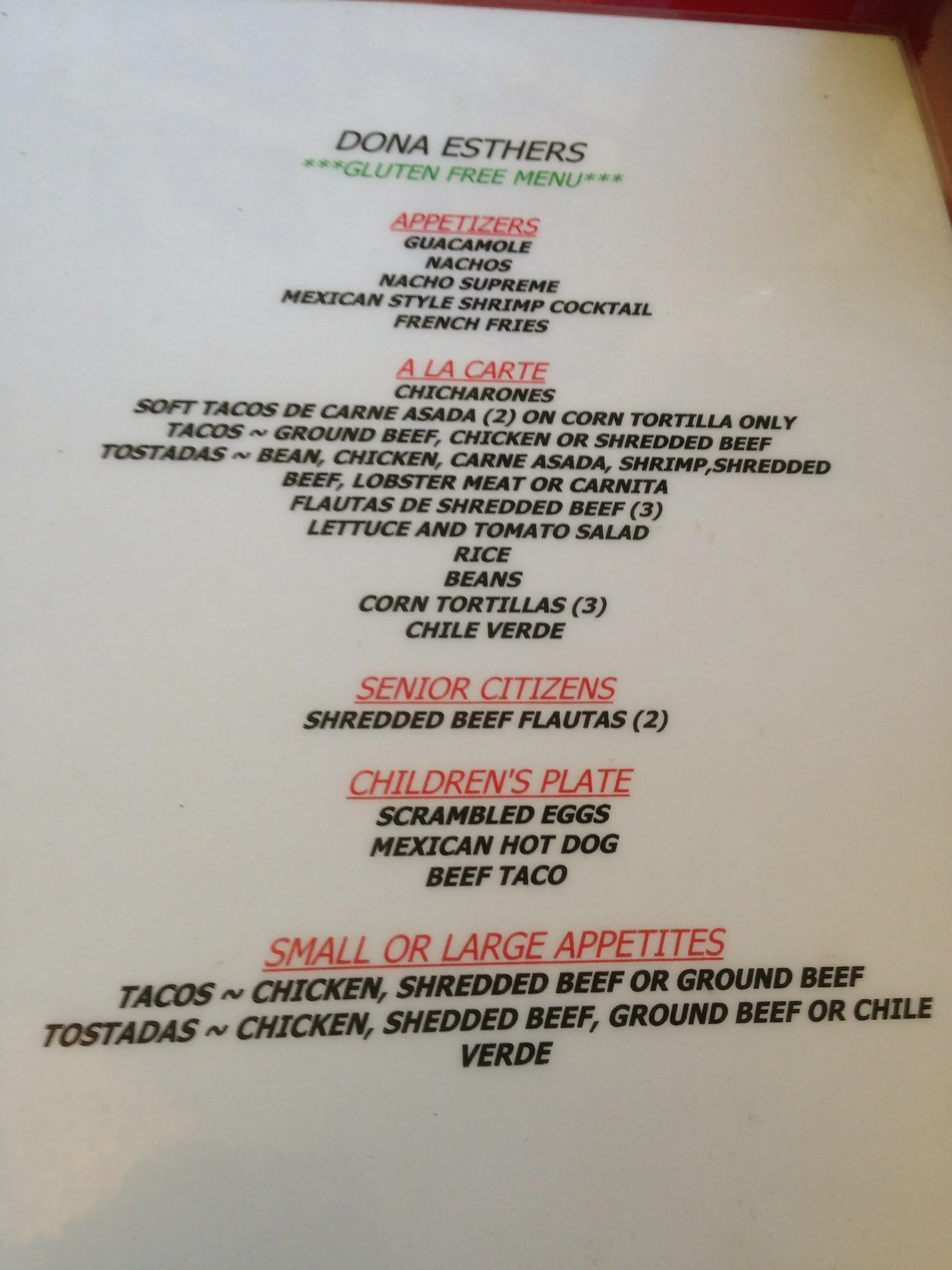 Critical evaluation of the esther restaurant menu for gluten-free integrity
Corn Tortillas and Cross-Contamination in Tortilla Presses
Even the humble corn tortilla, a gluten-free staple, can be compromised before it ever reaches the fryer. Some Mexican restaurants use a single press for both corn and flour tortillas. While less common, flour residue can remain on the press surface and contaminate the corn dough. Furthermore, a highly concerning practice involves adding a small amount of wheat flour to corn dough to prevent sticking and give the final product better pliability. Diners seeking truly safe corn tortillas must inquire not only about ingredients but also about the pressing and preparation methods used in the kitchen.
Best Practices for Restaurant Gluten-Free Protocols (E-E-A-T Focus)
Establishing a reliable gluten-free protocol is a matter of business integrity and consumer safety. This framework transcends simple menu labeling and requires a comprehensive, systematic approach to kitchen management and staff training. Any restaurant aiming to confidently feature a gluten-free section on their esther restaurant menu must adhere to these rigorous standards. These protocols reflect the highest level of culinary professionalism and E-E-A-T (Experience, Expertise, Authoritativeness, and Trustworthiness).
Mandatory Requirements for a Dedicated Fryer System
The single most critical step for any restaurant offering deep-fried gluten-free options is the implementation of a dedicated fryer. This equipment must be exclusively used for items prepared without gluten. It must be clearly marked and segregated from the primary fryer. The oil used must be fresh and never shared or topped off with oil from the main fryer. The commitment to a dedicated fryer is the ultimate signal of a restaurant’s commitment to celiac safety. Failure to meet this requirement makes all fried “gluten-free” claims irresponsible.
Kitchen Protocols: Utensils, Surfaces, and Staff Training
Cross-contamination extends beyond the fryer. Strict protocols must govern food preparation surfaces, utensils, and cooking vessels. Dedicated cutting boards, color-coded utensils, and separate storage areas for gluten-free ingredients are essential. Even a small amount of flour dust or residue on a surface can be enough to cause a reaction. Kitchen staff should be trained to change gloves, wash hands, and clean surfaces immediately before preparing a gluten-free order. This multi-layered approach ensures safety from ingredient storage to final plate delivery.
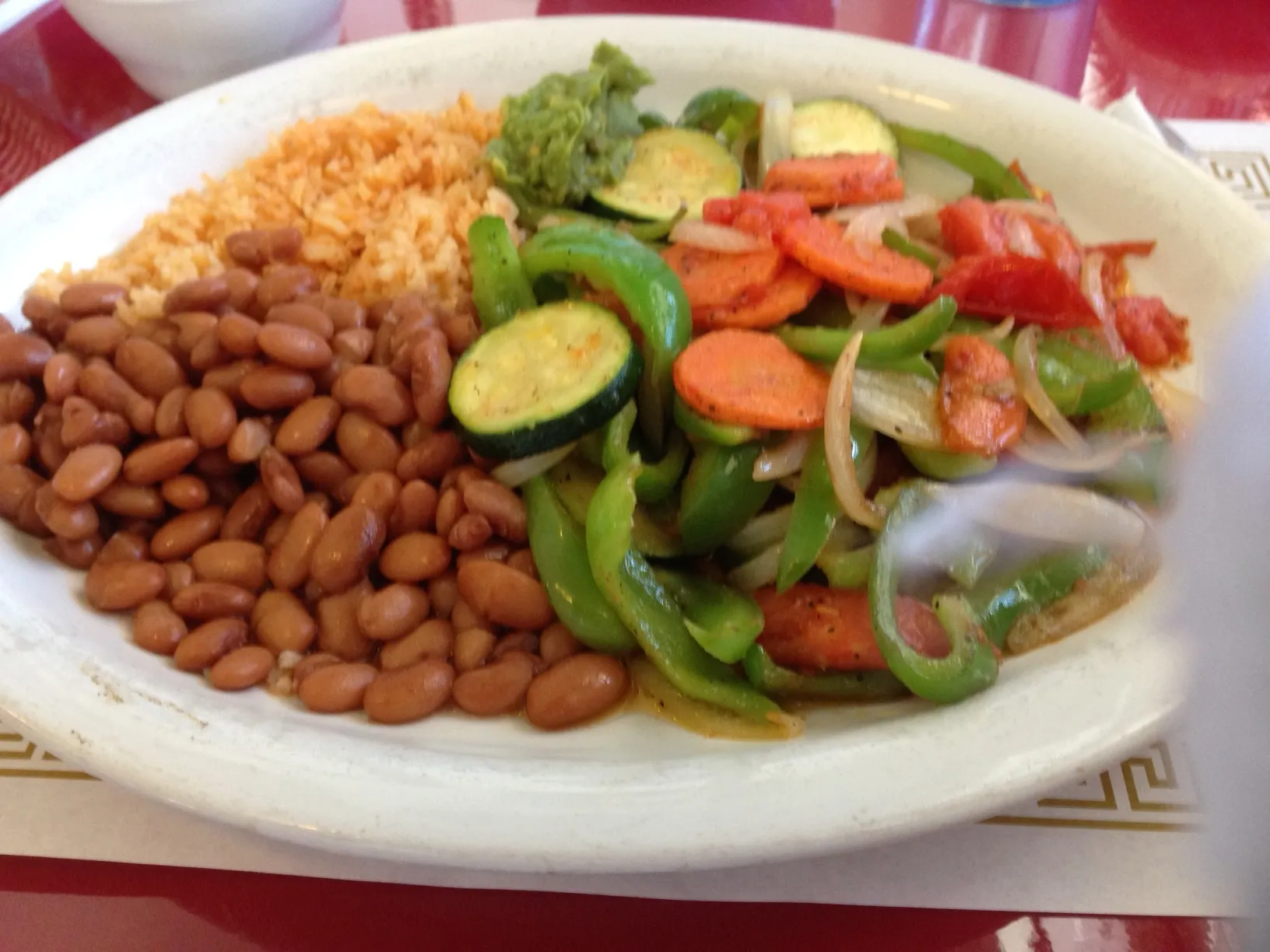 Delicious Veggie Fajitas from the Esther menu demonstrating safe gluten-free ordering
The Role of Menu Labeling and Staff Education
A physical laminated menu marked “GF” is only the first step. The labeling must be backed by accurate, current information provided by a knowledgeable kitchen and front-of-house staff. Servers must be trained to answer specific questions about preparation methods, not just ingredients. They should know which sauces are safe, which items are prepared on a shared grill, and where the potential for cross-contamination lies. If a server is unsure, they must know to consult a manager or chef. This level of diligence fosters true menu transparency and builds customer trust.
Beyond the Menu: Ordering Safely at Authentic Mexican Eateries
Diners must adopt an active, questioning approach, regardless of how well-labeled a menu appears. The experience at Dona Esther proves that even explicit menu information can be unreliable. Diners must be their own advocates and apply a healthy dose of skepticism. Being cautious when a menu is provided is not mistrust; it is a vital safety measure. This proactive stance is the final defense against accidental gluten exposure in a diverse culinary landscape.
Communicating Dietary Needs Effectively with Waitstaff
Effective communication is paramount. Diners should clearly state the severity of their dietary restriction, emphasizing that it is an allergy or medical necessity, not a preference. Instead of just asking, “Is this gluten-free?”, a more effective line of questioning involves: “Do you have a dedicated fryer for the chips?”, “Are the corn tortillas prepared on a separate surface from the flour tortillas?”, or “Can the chef use clean utensils for my order?” Direct questions about preparation methods force the server to think beyond the printed menu.
Safe Alternatives: Analyzing the Veggie Fajitas as a Case Study
Despite the issues with the fried items, the choice of the Veggie Fajitas with corn tortillas, as noted in the original experience, represents a generally safe and delicious fallback. Fajitas, when ordered correctly, offer a high likelihood of safety. The main components (sautéed vegetables, meat, and corn tortillas) are usually prepared on a grill or griddle, often separate from deep-frying operations. Crucially, the diner must request that the preparation surface be wiped down first to avoid contamination from preceding non-GF items. The satisfaction with the dish, even in a questionable environment, highlights the value of choosing simple, minimally processed items.
Table setting and critical view of a restaurant's gluten-free commitment based on the esther restaurant menu
The persistent need to question even a clearly marked esther restaurant menu highlights a persistent, critical challenge in the food service industry. A menu, whether laminated or digital, is only as reliable as the kitchen practices supporting it. The key to safely navigating the complexities of dietary restrictions is a combination of comprehensive staff training, mandatory dedicated equipment, and an unwavering commitment to truthful labeling and preparation. Diners must remain vigilant, asking detailed questions about processes like frying and grilling, to ensure their health is protected, making informed decisions the most powerful tool against accidental gluten exposure.
Last Updated on November 11, 2025 by Alex Cesaria

Alex Cesaria is the creative force behind Nomad Girl, an all-day café and ristorante with a signature Milanese flair located in the heart of Nomad, New York City. With years of experience in the hospitality industry, Alex blends refined Italian sensibilities with New York’s energetic dining culture to create a place that feels both elegant and welcoming.