
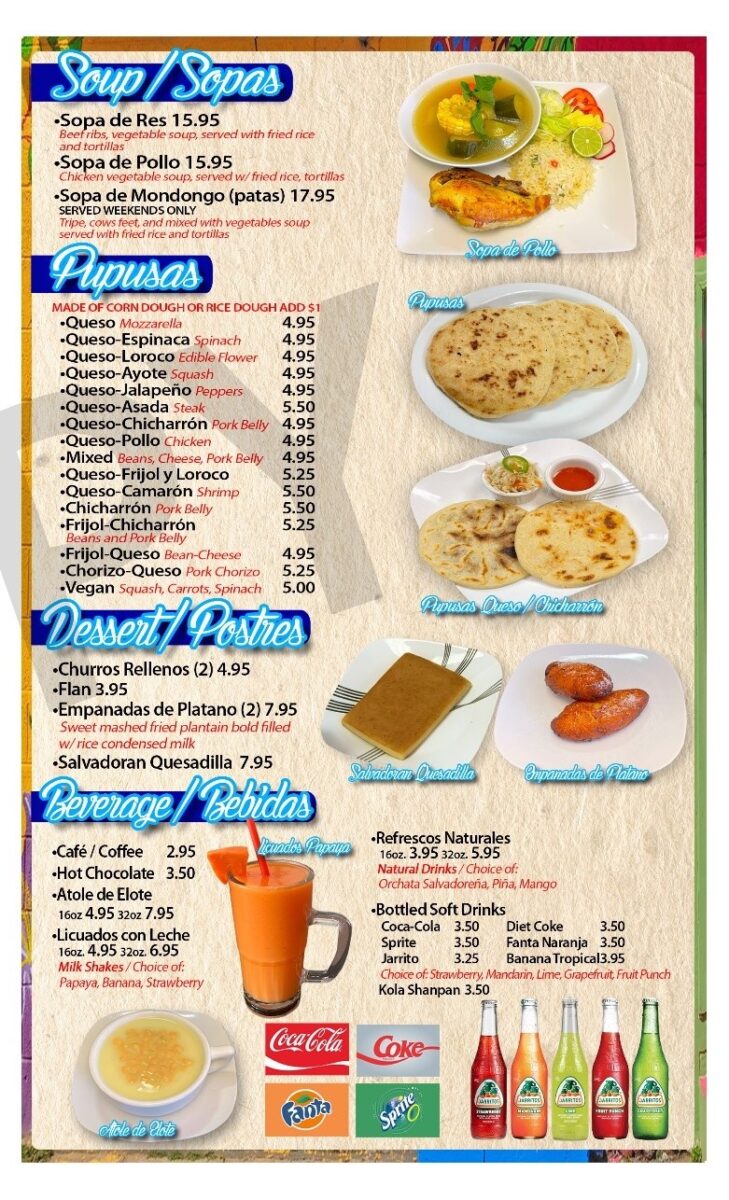
The el salvadorian restaurant menu is a vibrant tapestry of flavors, reflecting a rich culinary heritage deeply rooted in indigenous and Spanish traditions. Exploring these menus offers a genuine taste of Central America, far beyond the familiar fare. We delve into the staple dishes, from the iconic Pupusas to the comforting Sopa de Res, providing a comprehensive guide for first-time diners and aficionados alike. This unique dining experience is characterized by hearty portions, fresh ingredients, and the comforting flavors of Plátanos Fritos and classic drinks like Horchata. Understanding the structure of an El Salvadorian menu will enhance your next authentic cultural experience.
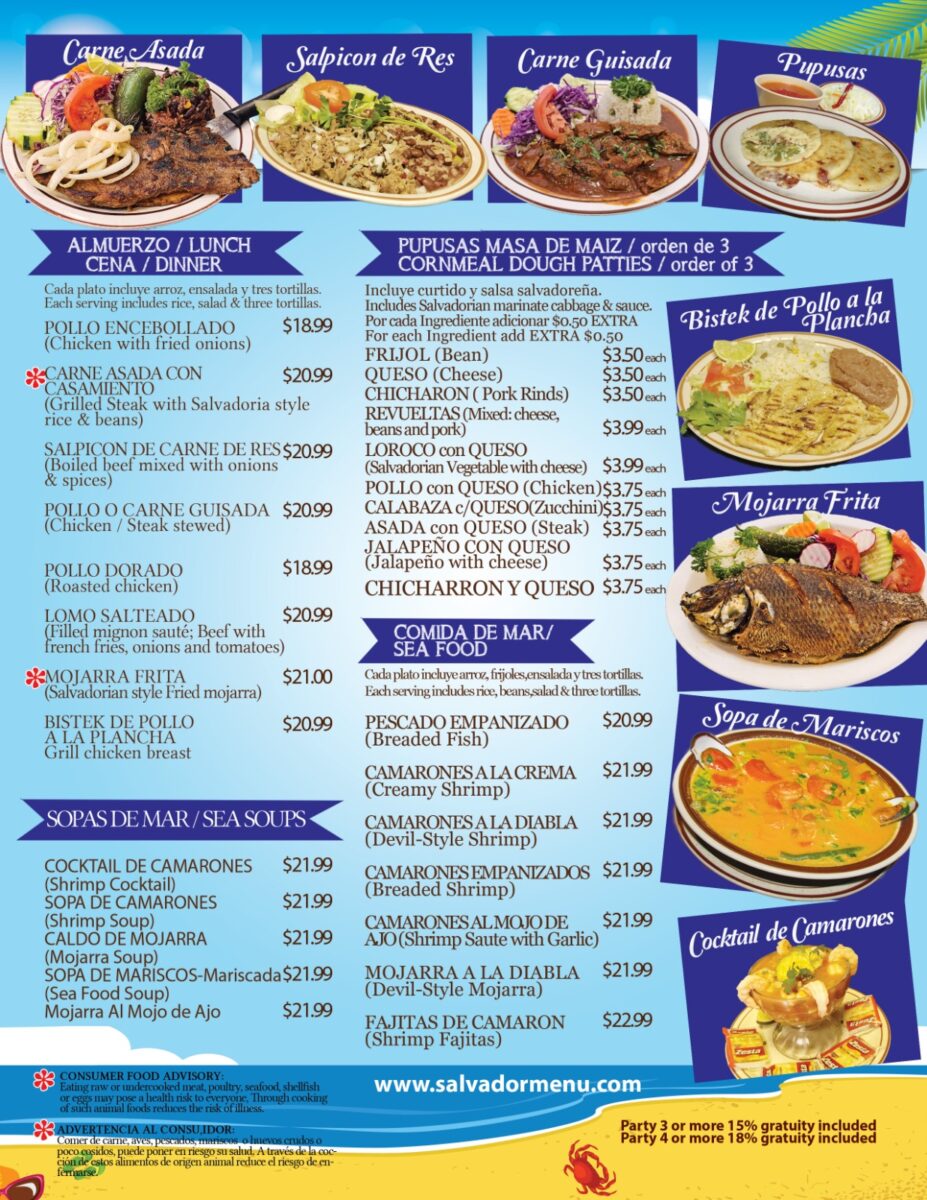
Understanding the Core of Salvadoran Cuisine
El Salvadoran cuisine is a masterful blend of simple, high-quality ingredients, resulting in profoundly satisfying meals. The food emphasizes freshness and local sourcing, creating dishes that are both nourishing and flavorful. It provides a culinary window into the country’s agricultural history and family traditions.
Staple Ingredients and Flavor Profiles
The foundational elements of the cuisine are corn, beans, rice, and fresh dairy products. These staples form the basis of almost every traditional Salvadoran meal. Meats like chicken, beef, and pork are common, often prepared grilled or stewed with savory spices. The flavor profile leans toward earthy, savory, and subtly sweet, achieved through ingredients like achiote, oregano, and cilantro.
The use of lime and a mild red pepper sauce adds brightness without overwhelming the palate. Dishes are rarely aggressively spicy; instead, they focus on balanced, deep, slow-cooked flavors. This approach ensures a comforting and approachable dining experience for a wide audience.
The Role of Corn (Maíz) in the Diet
Corn is paramount in El Salvador, holding a cultural and historical significance that transcends its role as a mere ingredient. It is the core of the national diet and is prepared in countless ways. This includes being ground into masa for dough, which forms the foundation of several signature dishes.
The dominance of maize is evident in the prevalence of corn-based recipes throughout any menu. Its versatility allows it to transition from savory, pliable dough to thick, sweet beverages. This dedication to corn showcases a deep respect for the land and its ancient culinary traditions.
The Essential Starter: Pupusas and Appetizers
Pupusas are the unquestionable national dish of El Salvador and represent the heart of the country’s street food culture. They are a must-try item and should be the first consideration when looking at the appetizer section of any menu. A visit to an El Salvadorian restaurant is incomplete without sampling this iconic staple.
Varieties of Pupusas and Fillings
A pupusa is a thick, griddled corn tortilla traditionally stuffed with one or more savory fillings. They are cooked until golden-brown and slightly crispy on the exterior. The most common fillings are queso (cheese), frijoles refritos (refried beans), or a mix of both, known as revueltas.
Other popular varieties include shredded pork (chicharrón) or loroco, which is an edible flower bud with a delicate, slightly pungent flavor. Understanding the different filling options allows diners to personalize their experience. Sampling different fillings provides a comprehensive taste of the dish’s potential.
The Crucial Accompaniments: Curtido and Salsa Roja
Pupusas are traditionally served with two non-negotiable side dishes: curtido and salsa roja. Curtido is a lightly fermented cabbage slaw, similar to sauerkraut but with a distinct Central American twist. It is typically dressed with carrots, onions, and vinegar for a necessary acidic balance.
The salsa roja is a mild, cooked tomato sauce, often featuring onions and bell peppers, providing a fresh, slightly sweet contrast. Combining the warm, savory pupusa with the cool, tangy curtido and mild salsa is essential. This trinity of textures and temperatures defines the traditional pupusa experience.
Other Must-Try Entradas
Beyond pupusas, the appetizer section often features several other hearty and flavorful options. Yuca Frita is a popular choice, consisting of deep-fried pieces of yuca root served with curtido and often topped with crispy pork bits. Yuca provides a starchy, slightly nutty flavor and a satisfying texture.
Another common appetizer is Pastelitos, which are small, half-moon shaped savory pastries. They are typically filled with seasoned ground meat or vegetables and deep-fried to a crisp golden finish. These offer a convenient, handheld bite of rich Salvadoran flavor.
Main Courses: Hearty and Traditional Fare
The main course offerings on an el salvadorian restaurant menu are built on comfort and substantial portions. These dishes often feature slow-cooked meats, robust stews, and generous sides of rice and beans. The focus is on traditional, deeply satisfying, family-style meals.
Carne Asada and Grilling Traditions
Grilled meat dishes, particularly Carne Asada, hold a prominent place on the menu. This involves thinly sliced beef marinated in simple spices like lime juice, salt, and pepper. It is grilled over high heat to achieve a smoky char and tender texture.
The grilled meat is usually served with rice, beans, and often a small salad or avocado slices. This preparation method showcases the quality of the beef and the region’s preference for simple, clean flavors. It is a reliable choice for those seeking a familiar yet authentic taste.
Soups and Stews: Sopa de Pata and Mariscos
Salvadoran soups are a cornerstone of the cuisine, known for their restorative and deeply flavorful broths. Sopa de Pata is a celebrated, traditional stew made from cow’s feet and tripe, simmered with yuca, plantains, cabbage, and sometimes corn. The long cooking time ensures an incredibly rich and gelatinous broth.
For seafood lovers, Sopa de Mariscos is a flavorful, vibrant seafood soup, typically loaded with shrimp, clams, fish, and sometimes crab. The broth is often enriched with a touch of cream or coconut milk, giving it a comforting, luxurious depth. These soups are often substantial enough to serve as a meal themselves.
The Versatility of Plátanos
Plantains (Plátanos) are an indispensable carbohydrate source, appearing on menus in various forms across all courses. When fully ripe, plantains are sliced and deep-fried to create Plátanos Fritos, a sweet, caramelized side dish. They offer a sweet contrast to savory beans and rice.
Another popular use is in Empanadas de Plátano, which are mashed ripe plantains shaped into pockets, filled with a sweet milk custard or refried beans, and lightly fried. These demonstrate the plantain’s ability to transition seamlessly between savory accompaniments and sweet desserts.
Refreshing Beverages and Desserts
The drinks and desserts of El Salvadoran cuisine are just as rich and distinct as the savory dishes. They offer essential palate cleansers and sweet endings that perfectly complement the heavy main courses. These traditional beverages are often made in-house, ensuring authenticity.
Non-Alcoholic Specialties: Horchata, Tamarindo, and Kolashampan
Horchata is perhaps the most famous Salvadoran beverage, a creamy, sweet drink made from a mixture of morro seeds, rice, cinnamon, and sometimes peanuts or cocoa. It has an unmistakable earthy, spicy flavor that is uniquely refreshing. It is a staple on most menus.
Tamarindo is another popular choice, a tangy, sweet, and sour drink made from the pulp of the tamarind fruit. Its tartness provides a sharp contrast to rich foods. For a distinctly Salvadoran treat, try Kolashampan, a highly sweetened, red-colored carbonated soda that is immensely popular.
Sweet Endings: Quesadilla Salvadoreña and Flan
For dessert, the Quesadilla Salvadoreña is a buttery, slightly sweet cheese pound cake. It gets its richness and unique flavor from using a hard, grated cheese. It is often topped with sesame seeds and is typically served with coffee. The texture is moist and dense.
Flan is also a beloved dessert across Central America, and the Salvadoran version is a creamy custard with a soft caramel topping. It is a light, elegant end to a heavy meal. Other options might include nuegados, fried yuca or corn balls served in a sweet, sugary syrup.
Navigating Your El Salvadorian Restaurant Menu
Successfully navigating an unfamiliar menu requires a basic understanding of its layout and offerings. The el salvadorian restaurant menu is generally categorized logically, making it easy to find starters, main dishes, and beverages. Approaching the menu with curiosity and a willingness to try new things will yield the best results.
Tips for Ordering for Groups and Dietary Needs
When dining with a group, ordering several types of pupusas and having them cut allows everyone to sample the varieties. Main courses like Carne Asada or a large bowl of Sopa de Mariscos are often good for sharing. Encourage variety to experience the full breadth of the cuisine.
For dietary needs, the cuisine is naturally accommodating to gluten-free options, as many dishes are corn or rice-based. Vegetarians can often rely on cheese and bean pupusas, rice, and plantain dishes. Always inquire about the ingredients for items like salsa roja to ensure they meet specific requirements.
Understanding Pricing and Value
El Salvadorian food is generally characterized by excellent value, offering substantial portions for moderate prices. The pricing on an el salvadorian restaurant menu reflects the simple, fresh ingredients and labor-intensive, homemade preparation. Expect to find affordable, filling meals that prioritize comfort and tradition. Appetizers and sides are often priced low enough to encourage generous sampling.
The journey through an El Salvadorian restaurant menu offers an unparalleled culinary adventure defined by comfort, culture, and rich heritage. From the quintessential pupusa to savory stews and unique beverages, each dish tells a story of tradition and family. Armed with this guide, navigating the el salvadorian restaurant menu becomes a confident and rewarding experience. This allows every diner to fully appreciate the authentic, heartwarming gastronomy El Salvador has to offer.
Last Updated on November 28, 2025 by Alex Cesaria

Alex Cesaria is the creative force behind Nomad Girl, an all-day café and ristorante with a signature Milanese flair located in the heart of Nomad, New York City. With years of experience in the hospitality industry, Alex blends refined Italian sensibilities with New York’s energetic dining culture to create a place that feels both elegant and welcoming.