
The protein that once felt old is new again. Duck is experiencing a major comeback on American fine dining duck restaurant menu selections. This resurgence is not a simple trend but a powerful shift in the culinary zeitgeist. Chefs are embracing both classical European techniques and global traditions like Peking duck. The drive towards minimal waste and whole animal utilization fuels this movement, resulting in innovative and comprehensive duck programs across the country, from a simple confit to an intricate dry-aged crown roast.
The Duckaissance: Why Duck is Dominating the Fine Dining Scene
The emergence of duck as a centerpiece protein signals a move past traditional menu cornerstones. Diners and chefs seek more complexity and depth of flavor. Duck offers a richer, more nuanced profile than conventional chicken or beef. Its higher fat content allows for incredible textural contrasts, providing a crisp skin and tender, medium-rare meat.
Shifting Preferences: Beyond Chicken and Steak
For years, the standard fine dining menu relied heavily on beef filets and roasted chicken. This stability created a culinary plateau. The current demand is for dishes that tell a story, demonstrating skill and respect for the ingredient. Duck satisfies this need.
It offers chefs a palette of flavors, textures, and techniques. The rich, deep flavor profile of duck breast is a perfect match for strong sauces and complex pairings. This inherent richness positions duck as a premium offering, distinct from leaner poultry options.
A Nod to Classic and Global Techniques
The duck’s current popularity draws heavily on its historical significance. Classic preparations like canard à l’orange and the bistro standard, duck confit, are seeing renewed interest. These dishes highlight the versatility and timeless appeal of the protein. Modern chefs are utilizing this foundation to create entirely new expressions.
This includes embracing global traditions. The multi-century history of Chinese Peking duck is now a major fixture in sophisticated American restaurants. Chefs are exploring and perfecting these specialized techniques. They understand the value of showcasing such an established and respected tradition.
The Rare Art of Canard à la Presse
The Canard à la Presse, or duck press, is one of the most prestigious and labor-intensive duck dishes. It is a spectacle of old-school French gastronomy. The dish requires an expensive and rare piece of equipment: the duck press itself. Its presence on a menu immediately signals a restaurant’s commitment to classic, high-level technique.
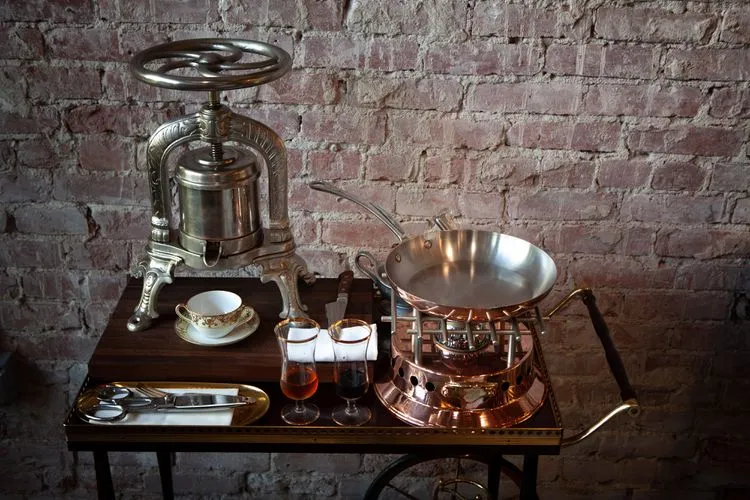 Duck Press at Pasjoli
A Parisian Legacy: La Tour d’Argent
The dish is historically tied to the 400-year-old La Tour d’Argent in Paris, famously inspiring the film Ratatouille. Diners there receive a postcard with a serial number, a testament to the dish’s long, documented history. This ceremony adds to its mystique and elevates the dining experience beyond a simple meal.
La Tour d’Argent’s serial numbering system has tracked millions of duck orders over centuries. This tradition underscores the prestige and enduring allure of the classic dish. Few restaurants worldwide can match this historical continuity.
The Mechanics of the Press
The preparation involves a medium-rare cooked duck. Its legs and breasts are removed for serving. The carcass and remaining organs are then crushed using a powerful, silver-plated vise—the press. This process extracts a concentrated, rich liquid, a blend of blood, organ essence, and juices.
This viscous extract forms the base of the dish’s signature sauce. The liquid is then reduced and finished with cognac or Madeira, creating an intensely savory and unique sauce. Often, this dramatic process is performed tableside, providing a theatrical element for the diner.
Pasjoli’s Modern Interpretation
At Pasjoli in Santa Monica, Chef Dave Beran has made the canard à la presse a signature dish. Beran had previously served the dish at Next in Chicago, demonstrating his long-standing commitment to the classic. It is a true showpiece that attracts dedicated patrons.
Pasjoli embraces the no-waste philosophy with this elaborate presentation. The breast is served, but the confit leg is incorporated into a salad with crispy duck skin. This ensures that every part of the bird contributes to the single order. Beran notes that this dish is essentially a closed loop, where every component finds its purposeful place.
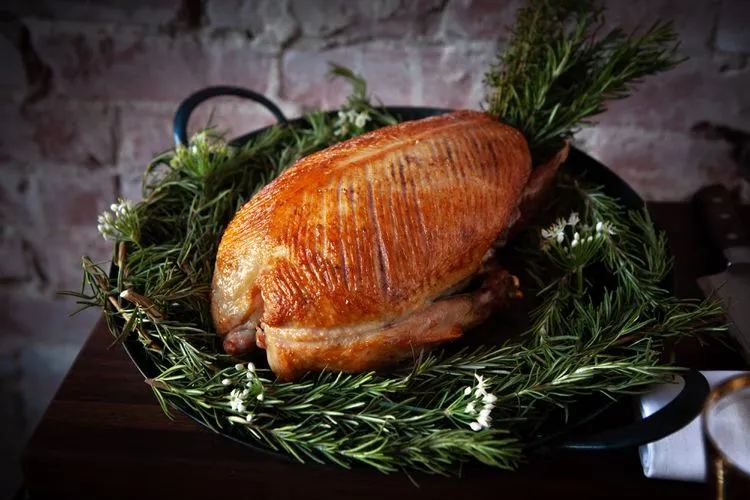 Duck at Pasjoli
The Global Icon: Mastering the Peking Duck Service
While the duck press speaks to French classicism, Peking duck represents one of the world’s most enduring and complex culinary traditions. Its inclusion on an duck restaurant menu showcases a chef’s global perspective and technical mastery. The dish is revered for its thin, impossibly crisp skin and succulent meat.
Centuries of Tradition
Peking duck boasts a history of over 400 years in Chinese cuisine. It was originally reserved for the imperial menu, signifying its luxury and national importance. Today, it remains a culinary touchstone and a symbol of national treasure in China.
The process is a multi-day commitment. Ducks are meticulously prepared, often blanched, basted with a maltose or honey mixture, and then air-dried for an extended period. This crucial air-drying step is what ensures the skin separates from the fat, yielding the ethereal crispness the dish demands.
Z & Y’s East-Meets-West Innovation
At Z & Y Peking Duck in San Francisco, Executive Chef Lijun Han serves dozens of ducks daily. The traditional service is perfectly executed, but the restaurant also embraces modern innovation. They offer a unique East-meets-West interplay with an optional caviar topping.
This addition of a saline, premium ingredient alongside the rich, savory duck creates a spectacular contrast. The crackly skin and juicy meat meet the pop of caviar, an unconventional yet highly successful combination. Reservations are strongly recommended for this sought-after dish.
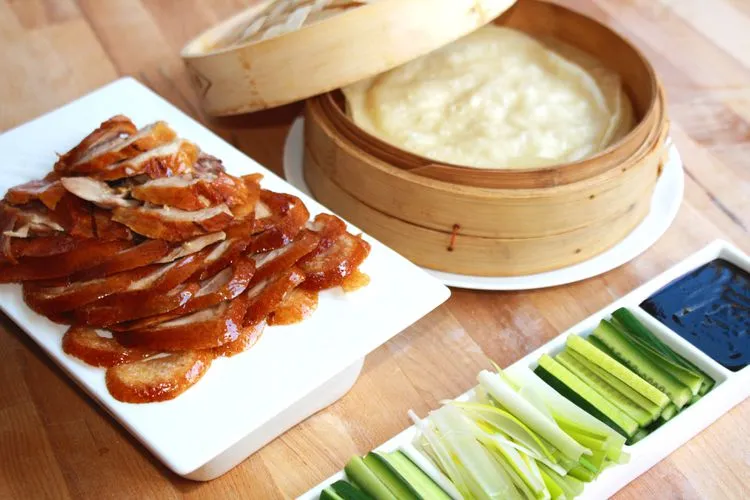 Peking Duck at Z&Y Peking Duck.
The traditional approach at Z & Y ensures no part of the duck is wasted. Leftover bones are utilized to create a traditional Peking duck soup. This practice is both an act of tradition and a display of responsible sourcing.
Sustainability and Whole Animal Utilization
The modern resurgence of duck is closely tied to an ethical and economical imperative: sustainability. Chefs are increasingly focused on using the entire animal. This approach maximizes flavor and honors the ingredient, reducing unnecessary waste. Whole animal utilization has become a hallmark of conscientious kitchens.
Francie’s Dry-Aged Crown
At Francie in Brooklyn, chef and co-owner Chris Cipollone showcases a roasted crown of duck. This centerpiece is dry-aged for approximately thirty days, a process that concentrates the flavor and tenderizes the meat. The presentation, surrounded by herbs and flowers, turns the dish into a moment of true spectacle.
Cipollone emphasizes the necessity of utilizing the entire bird. Bones are used for rich jus, and fat is rendered for cooking. Leg meat is processed into other preparations, such as a duck mortadella or a flavorful pappardelle Bolognese. This full-spectrum approach exemplifies culinary responsibility.
“Since the bird gave its life for the restaurant, we feel it is necessary to utilize the entire bird,” Cipollone has stated. This philosophy guides the menu design. The commitment ensures that the bird’s contribution is fully realized across multiple dishes.
The Economical and Ethical Driver
Karyn Tomlinson, chef-owner of Myriel in St. Paul, echoes the sentiment about sustainability. Duck does not carry the same stigma as other luxury cuts of meat. It provides an ethical choice for the conscientious omnivore while retaining a feeling of luxury.
Tomlinson points out that ducks, much like pork, have very little waste. This makes them economically sound for a restaurant’s operational model. The bird essentially forms an entire closed-loop ecosystem within her kitchen.
Duck Beyond the Breast: Creative Off-Cuts
Creative utilization of every component is the key to maximizing the duck’s value. Beyond the breast and leg confit, chefs find uses for the giblets and heart. These parts often appear in specialized tasting menu items, such as a rich, savory porridge.
The rendered duck fat is an incredibly valuable resource. It is essential for traditional confit. It is also used to confit potatoes or to make versatile all-purpose stocks and jus. This dedication to using every part showcases a chef’s technical skillset and resourcefulness.
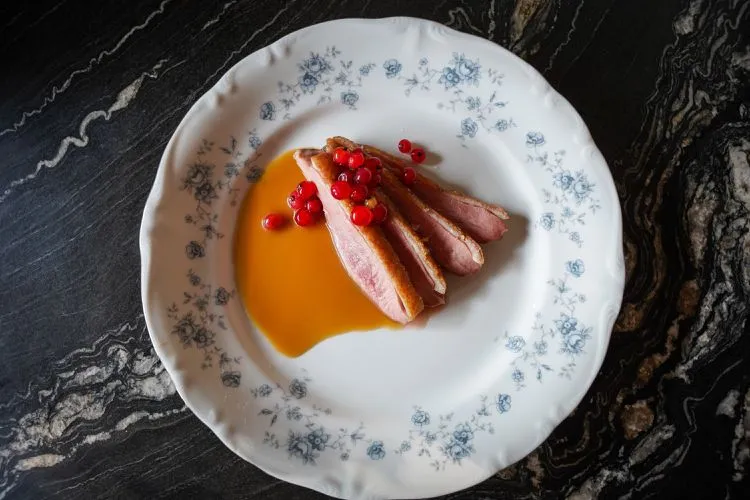 Duck Breast at Myriel Restaurant in St. Paul Minnesota.
Avant-Garde Duck Dishes on a Modern duck restaurant menu
The modern duck revolution is not confined to classics or ethical sourcing alone. It is also driving incredible creativity in the kitchen. Chefs are fusing techniques, blending global cuisines, and creating surprising and memorable dishes. A well-curated duck restaurant menu pushes boundaries while respecting tradition.
Obélix’s French-Global Fusion
Obélix, a modern French bistro in Chicago, is a prime example of this fusion. Their menu runs the full gamut of duck-based dishes. Highlights include delicate foie gras macarons and a brochette featuring duck heart and skin. These items demonstrate a complete dedication to the ingredient.
Chef de cuisine Nathan Kim notes that using whole animals forces the team to think creatively. This challenges their technical skill set to bring out the best in every unique part. The approach allows for complex, multi-faceted dishes.
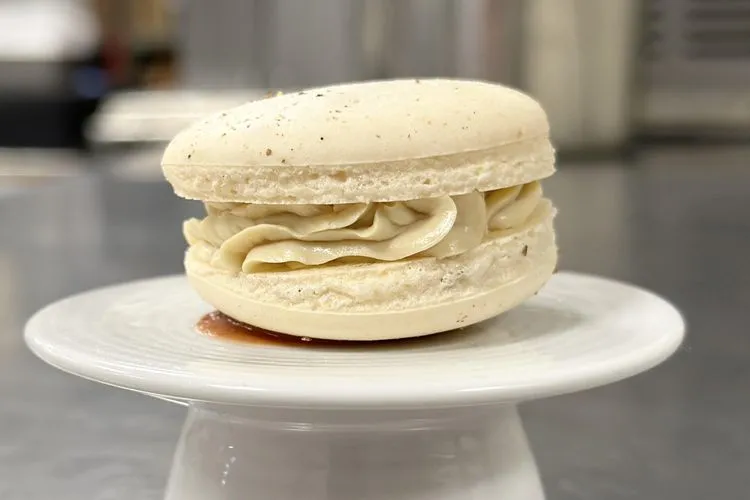 Duck Macaron from Obelix in Chicago.
The restaurant also serves a dry-aged duck breast alongside a smoked duck sausage. They feature a duck-forward salade Lyonnaise. This salad contains duck confit, duck fat croutons, and, naturally, a duck egg.
The Versatility of Foie Gras
Foie gras, a highly prized duck liver preparation, serves as a versatile element in modern gastronomy. Traditionally, it is a hallmark of French haute cuisine. It can be served simply as a terrine or pâté.
At Obélix, chef-owner Oliver Poilevey created the mind-bending “Foie-Co.” This dish is a perfect example of French technique meeting global street food. It combines seared foie gras with pickled cherries and salsa macha on a nixtamalized blue corn tortilla.
While the French culinary master Paul Bocuse once called foie gras one of the most exquisite elements of French gastronomy, he likely did not envision it in a taco. This innovation showcases the modern chef’s willingness to break boundaries while utilizing classic components. The surprising combinations work spectacularly well, challenging diner expectations.
Modern Plating and Presentation
Beyond the ingredients and preparation, presentation is a key component of duck’s appeal. The ritual of the tableside duck press creates drama. The whole-roasted, dry-aged crown brought to the table on a platter is another moment of pure spectacle.
These elements provide diners with an immersive, memorable experience. This focus on the visual and procedural aspects of dining elevates the duck from a simple protein to a culinary event. The combination of skill, ethics, and artistry secures duck’s place at the top of the modern duck restaurant menu.
The return of duck as a culinary staple proves that what is old can become new again through innovation and respect. This duck restaurant menu trend is driven by technical mastery, a dedication to sustainable whole animal utilization, and a global view of gastronomy. From the ceremonial spectacle of Canard à la Presse to the inventive “Foie-Co” taco, duck offers a rare combination of tradition, ethical appeal, and profound flavor. It is a luxurious, versatile protein that has permanently reclaimed its spot at the forefront of the American fine dining scene.
Last Updated on November 27, 2025 by Alex Cesaria

Alex Cesaria is the creative force behind Nomad Girl, an all-day café and ristorante with a signature Milanese flair located in the heart of Nomad, New York City. With years of experience in the hospitality industry, Alex blends refined Italian sensibilities with New York’s energetic dining culture to create a place that feels both elegant and welcoming.