
The detailed asmara restaurant menu offers a comprehensive window into the rich and diverse world of East African dining. This menu, which highlights classic Eritrean culinary tradition, serves as an essential guide for first-time visitors and seasoned enthusiasts exploring authentic flavors. The extensive offerings, from slow-simmered, spiced stews to specialty raw beef dishes, require careful consideration to fully appreciate the breadth of the cuisine. We will explore each section of the menu, giving context to the ingredients and preparation methods that make the dishes unique, with a keen focus on the centerpiece of the meal: injera bread. Understanding these foundations is key to a rewarding East African dining experience.
Decoding The Eritrean Starter Experience
The appetizer selection at Asmara Restaurant sets the stage with a blend of familiar comfort foods and unique local specialties. Unlike Western dining where appetizers are merely palate teasers, these starters often incorporate the foundational staples of the cuisine. They introduce the diner to the crucial spice blends and textures characteristic of Eritrean food. This initial segment of the menu, while small, provides a critical foundation for the deeper flavors to come.
Traditional and Fusion Appetizers
The Spicy Chicken Wings provide a familiar entry point, but it is the more traditional offerings that truly showcase the restaurant’s heritage. The Stuffed Tomato and Stuffed Green Peppers, both filled with spiced rice or ground beef, respectively, represent common preparations found across the region, where fresh vegetables act as vessels for savory fillings. These dishes balance the sweetness of the cooked vegetables with aromatic spices. The subtle textures and gentle heat prepare the palate without overwhelming it.
The Spinach with Ricotta leans toward a comfort-food fusion, offering a milder, creamy counterpoint to the more intense flavors. Crucially, the menu features Ajibo Berebere, a dish of cottage cheese mixed with a slightly fermented pepper sauce. This is an important precursor, introducing the foundational spice blend, berbere, and the cooling properties of ajibo (a fresh cheese similar to ricotta or farmer’s cheese), which is often used to temper the heat of main stews.
The Significance of Salata Fitfit
The Salata Fitfit is perhaps the most culturally significant appetizer offered. Fitfit refers to torn or chopped pieces of injera soaked in a sauce or dressing. This particular salad—chopped tomato, onions, and green chilies seasoned in a house dressing—is unique because the pieces of injera are pre-soaked, making it an edible bread salad. This practice is common in the region, serving either as a light meal, a way to use day-old injera, or as a distinctive appetizer. The fitfit concept itself is a powerful cultural identifier, demonstrating how the staple flatbread is integrated into every stage of the meal.
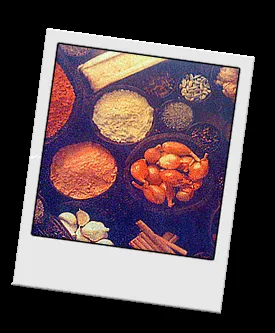 Platter of various Eritrean appetizers including stuffed peppers and a serving of injera fitfit
Main Course Exploration: Stews and Sautéed Dishes
The main dishes are the heart of the asmara restaurant menu, dominated by tsehbhi (stews) and tibsy (sautéed dishes) served over a large piece of injera. These dishes illustrate the duality of the cuisine: the fiery intensity of red-pepper-based stews (zighni) and the milder, savory complexity of yellow-sauce stews (alitcha). The commitment to slow cooking and specific spice blends is what distinguishes these meals.
A Deep Dive into Poultry and Lamb Preparations
The poultry section focuses on chicken (derho). Tsehbhi Derho is the fiery choice, featuring boneless chicken marinated in garlic and herbs, simmered in a rich tomato and red pepper sauce. This sauce is typically based on berbere, a complex spice blend that includes chili peppers, garlic, ginger, basil, and more. It requires hours of slow cooking to develop its depth and smooth texture. The contrasting option is Alitcha Derho, which substitutes the intense red sauce with a milder, turmeric-based yellow sauce. Alitcha dishes rely on subtlety and aromatics, utilizing niter kibbeh (spiced clarified butter) to impart a unique, savory richness, with less heat than the tsehbhi.
The lamb (begeeh) offerings follow a similar structure. Begeeh Mloukhiya is a specialty, mixing tender lamb with high-fiber jute plant and red pepper sauce. Mloukhiya (jute) is a leafy green that gives the stew a unique texture and earthy flavor. Alitcha Begeeh - Yebeg Alitcha is the milder alternative, showcasing the lamb in the foundational yellow sauce. Both preparations result in fork-tender meat that has absorbed the full depth of the accompanying spices.
Understanding the Raw Beef Specialties
A distinct element of Eritrean and Ethiopian dining is the cultural significance of raw or nearly raw meat dishes, which are considered delicacies. The menu features two prominent examples: Gored Gored and Kitfo. These are crucial to the authentic experience represented on the asmara restaurant menu.
Gored Gored consists of cubes of tenderloin beef tips, traditionally served raw and mixed with awaze—a potent, spiced, and lightly fermented pepper paste. It is a dish for the adventurous palate, celebrated for its robust texture and sharp, intense heat. Kitfo, however, is arguably the most famous raw meat preparation. It is lean ground beef, finely chopped, and traditionally served raw (tere). What gives kitfo its distinct flavor is the spiced butter, niter kibbeh, which is melted and mixed with the meat, along with chili powder. While traditionally served raw, patrons can often request it leb leb (rare/warmed) or fully cooked, but its truest form is the raw steak tartar equivalent.
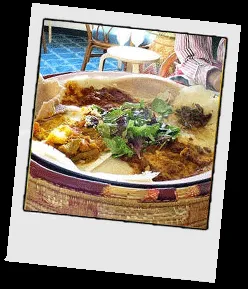 A traditional Eritrean dish with chicken stew (Tsehbhi Derho) and injera flatbread
House Specialties and Combination Plates
The House Specialties section of the menu highlights dishes that might be unique to the Asmara Restaurant’s chef or that represent classic celebratory food. These items often feature premium ingredients or complex preparations, making them excellent choices for a full dining experience.
Sautéed Meat and Seafood Delicacies
Asmara Tibsy is the signature sautéed beef dish. Tibsy (or Tibs) means “sautéed” or “fried” and refers to a quick-cooking preparation of meat. The tender beef cubes are gently sautéed with caramelized onions, green peppers, garlic, and chilies. This fast cooking method locks in the meat’s juices, providing a textural contrast to the slow-cooked stews. The use of caramelization adds a layer of subtle sweetness to the savory dish.
Beyond the traditional meat offerings, the menu includes seafood specialties like Jumbo Shrimp Spicy, Salmon Filet Spicy, and Scallop Spicy. These showcase a modern interpretation of the cuisine, applying the powerful berbere pepper sauce to premium proteins. This integration of international seafood with classic Eritrean heat is a testament to the cuisine’s ability to adapt and evolve while maintaining its flavor identity.
The Importance of Fitfit and Bebaynetu
The Fitfit concept reappears in the House Specialties as main courses: Zighny Fitfit and Derho Fitfit. Here, the pieces of injera are soaked in either a spicy or mild beef or chicken stew, becoming a substantial meal that is rich and deeply flavorful. This represents a true comfort food—a satisfying, texture-rich dish that emphasizes the sauce.
The Combination Plates, Sega Bebaynetu (Meat Combination) and Ahimilti Bebaynetu (Vegetable Combination), are arguably the best way to experience the breadth of the asmara restaurant menu. Bebaynetu literally means “of a variety” or “everything.” These platters typically feature small portions of multiple dishes arranged atop a large sheet of injera. They are designed for sharing and allow diners to sample the core poultry, lamb, beef, and vegetable offerings in a single, communal setting. The Sega Bebaynetu offers the spicy lamb, sautéed beef, mild chicken, and vegetable stew, making it the most comprehensive introduction to the menu’s main course categories.
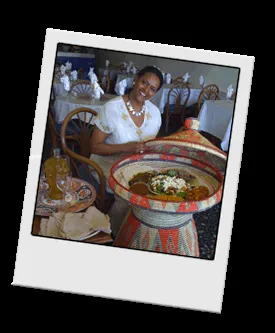 A close-up of a house specialty dish, possibly a sautéed meat (tibsy), with vegetables and sauce
Vegetarian Delights and Salad Offerings
Eritrean and Ethiopian cuisines have a rich, complex, and long-standing vegetarian tradition, largely due to religious fasting periods observed throughout the year. The vegetarian section of the asmara restaurant menu is therefore as substantial and well-developed as the meat options, demonstrating profound culinary expertise in vegetable and legume preparation.
The Depth of Vegetable Entrees
The vegetarian entrees are all offered with a choice of red pepper sauce (spicy) or mild yellow sauce (alitcha), ensuring that vegetarian diners have access to the full spectrum of flavor profiles.
Timtimo(Yellow Split Peas): A staple dish, often served as a thick, curried stew.Tikil Gomen(Cabbage, Carrots, and Potatoes): A savory and mild stew, celebrated for its comforting, simple flavors that allow the vegetables’ natural sweetness to shine through.Hamli(Collard Greens or Kale): Curried greens are essential, offering an earthy, slightly bitter counterpoint to the spicier dishes.Bersen(Lentils): Another protein-rich legume stew, which is a backbone of the vegetarian diet.Shuro(Chick Peas): Powdered and highly seasoned chick peas stewed in a pepper sauce. Shuro is a hearty, creamy, and complex stew that stands on its own as a main course. The powdered chickpea flour thickens the stew and absorbs the deep spice flavors, offering a completely different texture profile than the other legume dishes.
The Alitcha Ahmilti is a full vegetable stew made from a mixture of cauliflower, carrots, mushrooms, green peppers, string beans, and potato in the mild yellow sauce. This combination provides a delightful array of textures and a subtle, savory aroma derived from the niter kibbeh and turmeric. The care taken in seasoning and slow-simmering these vegetable dishes underscores the cuisine’s sophistication, moving far beyond mere side dishes.
Fresh Salads for Balance
The salad options provide a crucial element of freshness and acidity to balance the richness of the stews. The Tomato Salad is a simple yet vital component, combining chopped tomatoes, onions, and green chilies, seasoned with a bright, light dressing of fresh lemon, olive oil, and pepper. The Asmara Potato Salad integrates chopped parsley and garlic into the dressing, giving it a sharper, more herbal profile than typical Western potato salads. Finally, the House salad, with feta cheese, tomato, and chopped onions in a virgin olive oil house dressing, provides a slightly richer, Mediterranean influence. These salads are essential for cleansing the palate and adding a cool, refreshing element to the heat of the main courses.
The Asmara Beer and Wine List: A Complementary Pairing Guide
The beverage list is carefully curated to complement the complex spice and texture profiles of the Eritrean dishes. The most unique and culturally significant offering on the asmara restaurant menu is the Traditional Mes Honey Wine (Homemade). Mes (or Tej) is an Ethiopian and Eritrean honey wine, traditionally fermented and slightly sweet. It is a perfect pairing for the spicy dishes, as its sweetness and light carbonation cut through the richness of the stews, particularly the berbere-based ones.
The wine list offers a standard selection of international wines, categorized into white and red, with popular choices like Chardonnay, Riesling, Merlot, and Malbec. These are intentionally selected to offer variety, with Gewurztraminer and Riesling being particularly excellent matches for the spicy food due to their sweetness and acidity. The list is straightforward, allowing diners to focus on the unique food rather than an overly complex wine menu.
Eritrean and International Beer Selection
The beer list is notable for featuring Eritrean beer (Lager Available), offering a chance to taste a local brew designed to be the perfect counterpoint to the country’s cuisine. The remainder of the list includes popular international and domestic lagers and ales, such as Samuel Adams, Beck’s, and Heineken. A light, crisp lager is often the ideal choice for spicy food, as the carbonation and low bitterness refresh the palate between bites of the intensely flavored stews and tibsy.
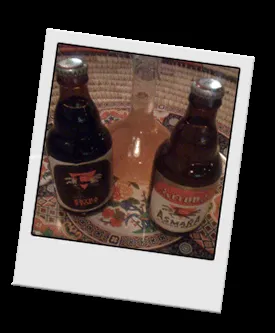 A variety of bottled and draft beers listed on the Asmara Restaurant menu, suitable for pairing with spicy food
The Culinary Philosophy: Experience, Expertise, and Tradition
The overall presentation of the asmara restaurant menu strongly signals E-E-A-T (Experience, Expertise, Authoritativeness, and Trustworthiness). The inclusion of detailed, native dish names alongside clear, descriptive English explanations demonstrates deep expertise. The menu is structured logically, making the entire Eritrean culinary tradition accessible to both novices and aficionados. The availability of catering also suggests a broad application of their culinary knowledge, extending their services beyond the immediate dining room. From the cultural significance of Fitfit to the essential role of Injera as both food and utensil, every element on the menu reflects a commitment to authenticity and high-quality preparation. It is a menu designed to educate and delight, offering a rich and fulfilling cultural journey with every bite. The thoroughness of the offerings, ensuring a balance of poultry, lamb, beef, and a significant vegetarian section, confirms the kitchen’s mastery over the full spectrum of Eritrean home and celebratory cooking.
The asmara restaurant menu serves not just as a list of available dishes but as a foundational text for understanding the depth and diversity of East African cuisine. From the crucial role of berbere in the spiced stews to the ceremonial aspect of the Bebaynetu combination platters, the offerings guide the diner through a culinary journey rich in tradition and expertly executed flavors.
Last Updated on November 26, 2025 by Alex Cesaria

Alex Cesaria is the creative force behind Nomad Girl, an all-day café and ristorante with a signature Milanese flair located in the heart of Nomad, New York City. With years of experience in the hospitality industry, Alex blends refined Italian sensibilities with New York’s energetic dining culture to create a place that feels both elegant and welcoming.