
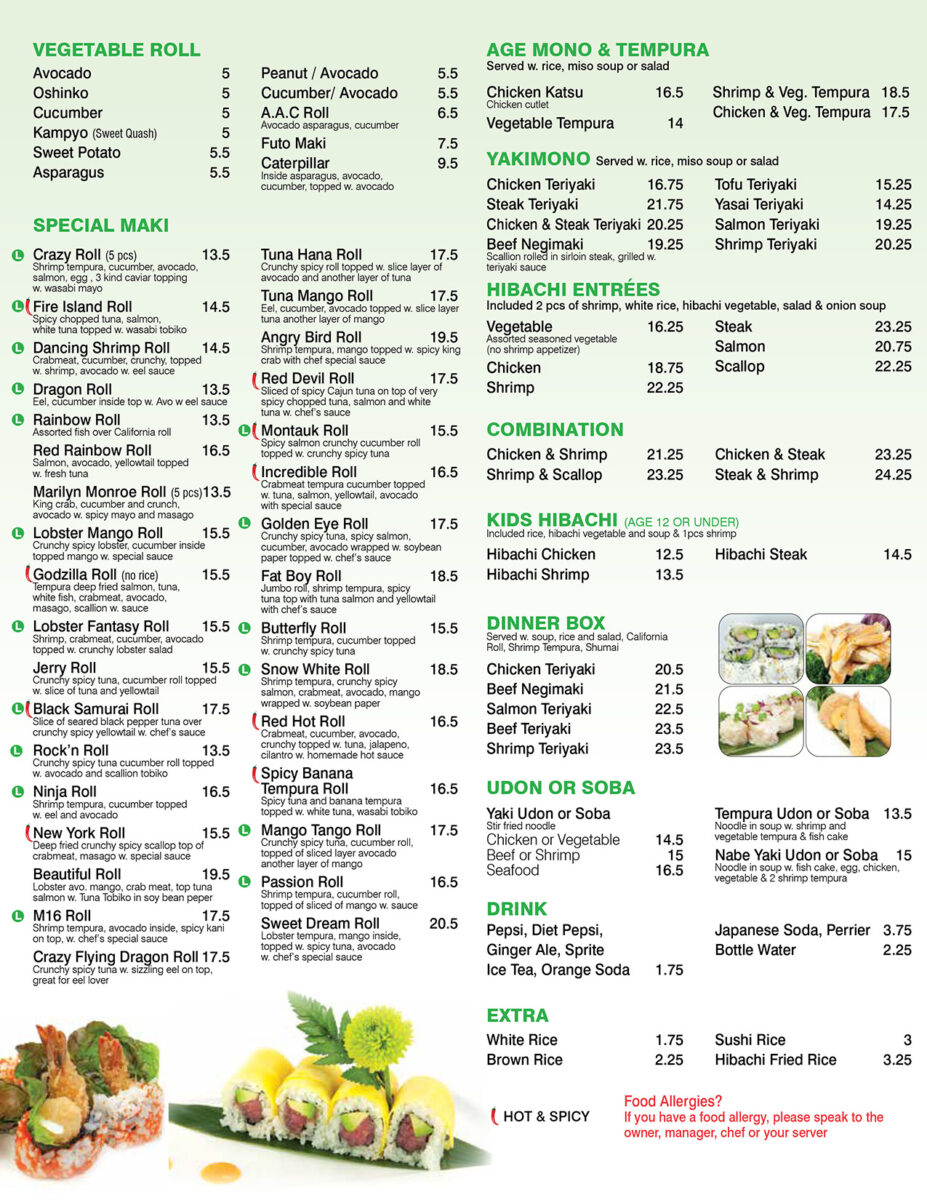
The creation of an Asian Fusion restaurant menu represents a complex culinary and strategic challenge. It requires a precise balance between tradition and innovation. A successful fusion menu must showcase originality while maintaining familiarity for diverse customer bases. This critical document is the primary sales tool, necessitating deep thought on menu engineering, ingredient sourcing, and cohesive culinary narrative. It serves as the initial, tangible experience a guest has with the establishment’s vision, making its structure and content paramount for operational success and financial viability.
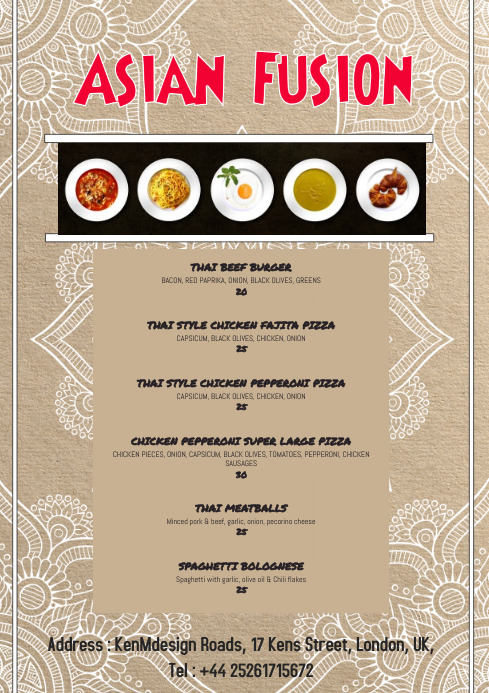
Deconstructing the Asian Fusion Concept
The term “Asian Fusion” is broad, encompassing culinary blends from several distinct cultures. True fusion goes beyond merely listing disparate items side-by-side. It requires a thoughtful integration of regional techniques and flavor profiles. The goal is to create dishes that feel both new and inherently satisfying. An optimized menu structure clearly communicates the specific fusion approach employed by the restaurant.
Defining the Culinary Identity
A strong menu begins with a clearly defined culinary identity. Is the focus a seamless blend of Japanese and Peruvian Nikkei cuisine, or a bolder marriage of traditional Chinese and modern American techniques? The identity dictates the menu categories and item descriptions. Without a clear focus, the menu risks becoming a confusing array of disconnected dishes. This strategic direction ensures brand consistency across all offerings.
The most effective approach establishes one primary cultural anchor. From there, elements of a secondary cuisine can be strategically introduced. For example, a menu primarily rooted in Thai cuisine might incorporate specific Korean fermentation methods. This maintains a foundation of familiarity while introducing intriguing, novel flavor experiences. The resulting dishes are complex yet easily understood by the discerning diner.
The Role of Authenticity and Innovation
While fusion encourages innovation, it must be grounded in an understanding of authentic preparation. A chef must demonstrate mastery of the core techniques of each represented cuisine. This deep expertise establishes credibility with diners who appreciate genuine culinary execution. The menu’s language should subtly convey this underlying professionalism.
Innovation then occurs at the intersection of these authentic techniques. It involves substituting traditional ingredients with regional alternatives or applying a cooking method from one culture to a dish from another. The result is a dish that is recognizably “fusion” without sacrificing culinary integrity. This subtle interplay defines the high-level artistry of the category.
Strategic Menu Architecture: Categories and Flow
A well-engineered Asian Fusion restaurant menu is structured for effortless navigation and maximized profitability. The layout must guide the customer through the different culinary worlds represented. Standard categories should be predictable, but the content within them must offer the unexpected. This structural predictability builds trust and reduces decision fatigue for the guest.
Appetizers: Setting the Fusion Tone
The appetizer section must immediately establish the restaurant’s fusion thesis. It should offer small, approachable, and shareable items that introduce the key flavor combinations. Items like Spring Rolls and Gyoza are staples but should feature unique fillings or dipping sauces. For instance, a traditional Chinese Gyoza might be filled with Japanese-style Wagyu and served with a Thai chili-lime dipping sauce.
This opening section is crucial for profit margin. Appetizers are often high-volume and easily prepared. Highlighting signature, distinctive fusion starters encourages higher ticket averages. The descriptions should be concise and evocative, focusing on the cultural blend. Utilizing terms that hint at complexity can tempt diners to explore further.
The Dedicated Sushi and Roll Program
Many Asian Fusion menus feature an extensive Japanese-inspired sushi and roll program. This serves as a primary draw and often commands premium pricing. The category must be clearly delineated into sub-sections like Nigiri, Classic Rolls, and Special Rolls to manage complexity. A menu analyzed might include Classic Rolls alongside elaborate Chef’s Special Rolls like the Angry Dragon Roll or the Valentine Roll, each offering a unique presentation of the fusion concept.
The fusion element in the sushi program is often found in the Special Rolls. These items frequently incorporate non-traditional ingredients, sauces, and preparation methods. Examples include topping a roll with seared proteins, using Latin American aji paste in the spicy mayo, or incorporating fruits like mango or pineapple. The Special Roll section is where the chef’s creativity is most prominently displayed.
Core Entrees: Balancing Familiarity and Novelty
The main course section must satisfy both adventurous diners and those seeking comfort. This is typically achieved by segmenting the menu based on cultural origin or preparation style. The successful menu examined here wisely separates Japanese noodle dishes (Ramen/Udon, Yakisoba) and rice bowls (Donburi) from the broader Chinese Style Menu and Dinner Entrees. This clear segmentation simplifies the ordering process.
The Chinese section, for example, features classics such as Broccoli Beef and Kung Pao Chicken alongside more regional specialties like Szechuan Boiled Beef and Twice Cooked Pork. This dual approach caters to the desire for comforting standards while also appealing to patrons seeking an elevated experience. The fusion enters here through ingredient quality or the application of sophisticated sauces. A classic Mongolian Beef can be elevated by using a high-grade cut of beef and incorporating a Korean gochujang element into the traditional brown sauce.
Menu Engineering for Profitability and Clarity
Effective menu engineering is paramount to a restaurant’s financial health. It is the strategic process of designing the menu layout to encourage customers to choose high-profit items. An Asian Fusion restaurant menu provides exceptional opportunities for engineering due to its diverse product mix. The physical or digital presentation must emphasize the most profitable dishes.
Strategic Placement and Eye-Tracking
Customers tend to focus on specific areas of a menu first. Placing the most profitable items in these ‘sweet spots’ is essential. For many, the upper right quadrant is a key focus area. Items positioned here should be unique, high-margin signature dishes. The use of visually appealing boxes, distinct typography, or subtle graphics can draw the eye to specific, profitable offerings.
Price presentation is equally critical. Dollar signs should be used discreetly or, ideally, omitted entirely. Prices should align with the description, not stand alone in a column. This design technique shifts the focus from cost to the intrinsic value and experience of the dish. It encourages customers to consider the ingredients and preparation rather than simply comparing numbers.
The Power of Detailed Descriptions
Menu descriptions are the primary tool for influencing customer choice. They should employ sensory, geographic, and preparatory language that highlights the fusion elements. Instead of “Spicy Tuna Roll,” use “Line-Caught Ahi Tuna with House-Made Sriracha-Lime Aioli.” Highlighting preparation—such as “slow-braised” or “hand-rolled”—justifies a premium price point.
Naming conventions must also be consistent and memorable. The menu features creative names like the Tsunami Roll and Lion King Roll. Such unique, proprietary names add a sense of intrigue and ownership. They make the dish sound like an experience, not just a commodity, encouraging higher perceived value. This distinction is vital in the competitive restaurant market.
Utilizing LSI Keywords for Digital Menu Visibility
In the modern hospitality landscape, an Asian Fusion restaurant menu is also a digital asset. The language used in online menus and descriptions impacts search visibility. Semantic keywords, also known as Latent Semantic Indexing (LSI) keywords, must be naturally integrated to signal the menu’s breadth and depth to search engines.
Relevant LSI keywords for this cuisine include terms like Nikkei, Korean barbecue, Japanese street food, and Szechuan peppercorn. Incorporating these terms helps the online menu rank for broader, more complex search queries. For instance, mentioning that the Fusion Fried Rice includes elements of Cantonese technique adds depth and LSI relevance.
Highlighting Dietary and Allergen Information
Modern dining requires transparency, particularly in complex fusion cuisine. Clear labeling for common allergens and dietary restrictions is non-negotiable. The menu should prominently indicate dishes that are gluten-free, vegetarian, or vegan-friendly. This not only serves the customer but also demonstrates professionalism and expertise (E-E-A-T) in food service.
Many customers are actively searching for terms like plant-based Asian options or gluten-free sushi. Providing this information directly on the menu, rather than only upon request, streamlines the ordering process. This user-centric approach is a hallmark of people-first content and superior restaurant operations.
Operational Considerations: Kitchen Efficiency and Consistency
The ambitious scope of an Asian Fusion restaurant menu can present significant operational challenges. A diverse menu often necessitates complex inventory and specialized equipment. Menu design must be conducted with kitchen efficiency as a primary consideration. The structure should prevent bottlenecks during peak service hours.
Cross-Utilization of Key Ingredients
Successful menu design relies heavily on the cross-utilization of ingredients across multiple dishes. For example, the same marinated braised pork belly used in the Ramen can be the primary protein for a Bento Box or a core component of a Chef’s Special Roll. This limits waste, simplifies inventory management, and ensures ingredient freshness. A streamlined inventory contributes directly to higher profit margins and consistency.
The menu categories found in the source material—from Soups & Salads to Chinese Style Menu—demonstrate a commitment to cross-utilization. The core proteins (Chicken, Beef, Shrimp, Salmon) are repeated across Fried Rice, Teriyaki Donburi, and Dinner Entrees. This modular approach allows the kitchen to produce a wide variety of meals with a manageable set of raw ingredients.
Standardized Recipes and Training
Consistency is the ultimate mark of a quality restaurant. Every item on the Asian Fusion restaurant menu must be reproducible regardless of which chef is on duty. Detailed, standardized recipes are essential for maintaining flavor integrity across all menu categories. This is particularly crucial for complex dishes that combine multiple culinary traditions.
The operational plan must include thorough training on specific Asian cooking techniques, such as proper wok handling for the Yakisoba and the meticulous preparation required for Nigiri. This focus on expert execution is what elevates a standard menu to a genuinely high-quality culinary offering. Investing in staff training directly translates to customer satisfaction and repeat business.
Crafting a Unified Experience from a Diverse Offering
Ultimately, the best Asian Fusion restaurant menu achieves a sense of unity despite its inherent diversity. The individual components—from the casual Spring Roll to the elaborate Scorpion Roll—must all contribute to a singular brand narrative. The menu is not a collection of items, but a curated journey across a continent’s culinary landscape.
The design should reflect the restaurant’s aesthetic, whether it is sleek and modern or warmly rustic. Even the selection of beverages, such as traditional Asian teas or unique fruit juices, should reinforce the fusion theme. Every element of the menu, from the font choice to the dish sequencing, should work in concert to create a memorable and highly satisfying dining experience.
Last Updated on November 28, 2025 by Alex Cesaria

Alex Cesaria is the creative force behind Nomad Girl, an all-day café and ristorante with a signature Milanese flair located in the heart of Nomad, New York City. With years of experience in the hospitality industry, Alex blends refined Italian sensibilities with New York’s energetic dining culture to create a place that feels both elegant and welcoming.