
Exploring the comprehensive tachibana restaurant menu reveals a dedication to authentic Japanese cuisine in the heart of Lexington. This menu is not merely a list of dishes but a curated journey through traditional and modern flavors, offering everything from expertly crafted sushi to hearty ramen and classic teishoku options. We delve into the specifics, providing an essential guide for anyone interested in the exceptional dining experience Tachibana provides, rooted in Japanese culinary tradition and showcasing high-quality ingredients. This analysis highlights the depth of their offerings, a true asset to the Lexington dining scene.
The Philosophy Behind Tachibana’s Authentic Japanese Cuisine
Tachibana Restaurant is built on a foundational commitment to Washoku, the traditional Japanese approach to food characterized by balance, seasonality, and respect for ingredients. This philosophy dictates the entire structure of the Tachibana menu, ensuring that every dish, whether a quick lunch special or an elaborate dinner set, upholds a standard of authenticity. The chefs focus on precise techniques, which are crucial for dishes that rely on the freshness and inherent quality of the raw components. Their dedication goes beyond simple preparation.
The commitment to genuine flavors means avoiding excessive fusion, instead prioritizing classic techniques like the meticulous preparation required for superior shioyaki (salt-grilled fish). This approach allows the natural taste of ingredients such as fresh water eel and sirloin to take center stage. The menu serves as an educational document, subtly guiding the diner through the cultural significance of the dishes presented. It is a testament to culinary integrity.
An Examination of the Daily Lunch Time Offerings
The lunch service at Tachibana is designed to cater to both the time-constrained and those seeking a complete midday meal. The system follows the Teishoku model, offering set courses where the main dish is accompanied by rice, miso soup, and side dishes. This structure ensures a balanced and nourishing meal.
Seasonal and Weekly Lunch Specials
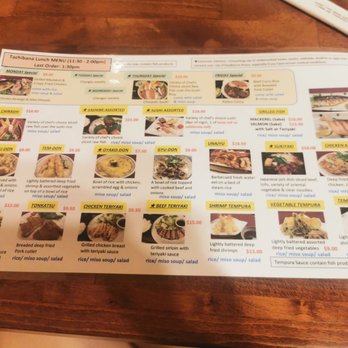
The weekly specials exemplify the restaurant’s ability to offer variety and value. The Monday Special, featuring grilled mackerel (saba shioyaki) paired with crispy fried chicken (karaage), is a perfect blend of delicate seafood and comforting poultry. This combination speaks to the Japanese love for contrasting textures and flavors within a single meal.
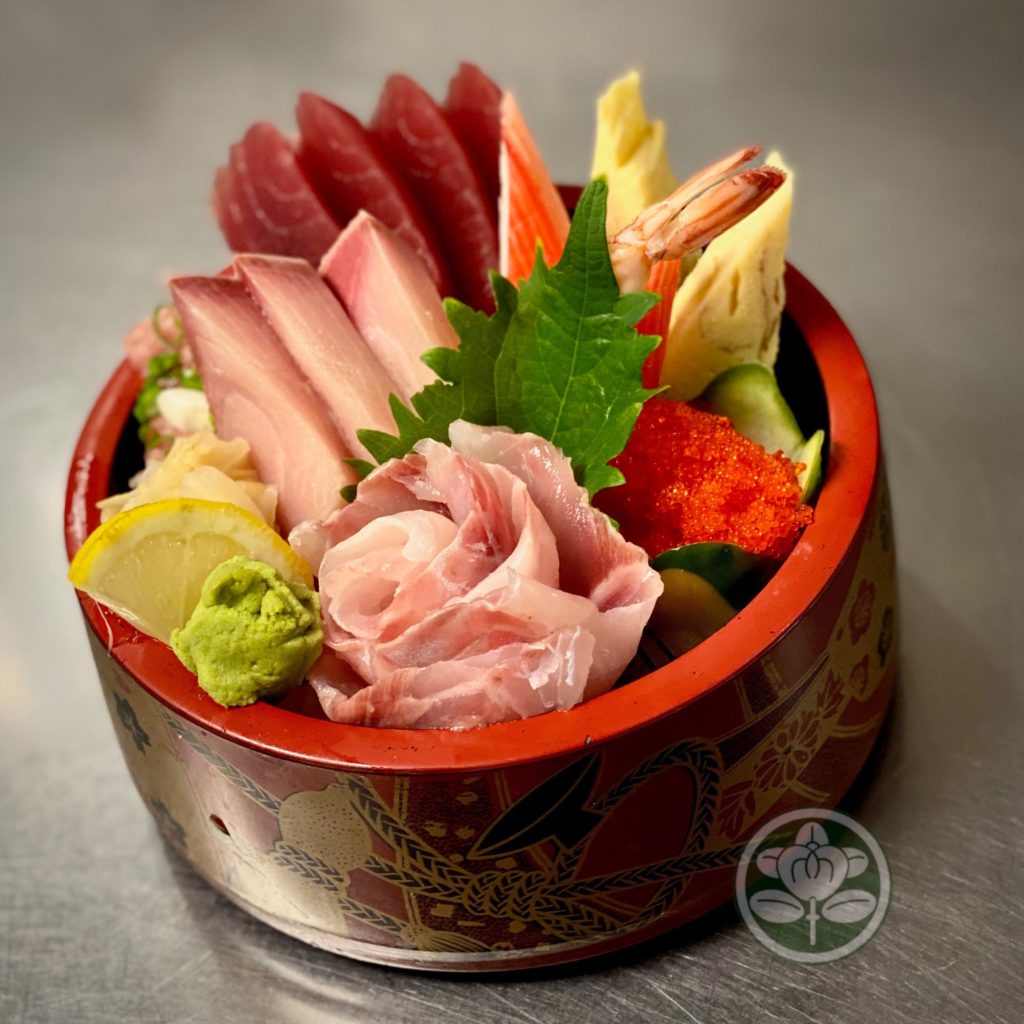
Conversely, the Thursday Special focuses on raw fish, presenting a Chirashi bowl with a variety of the chef’s choice sliced raw fish over sushi rice. This is a subtle nod to the seafood market experience. The Friday lunch special is a hearty dish, combining beef curry rice with a breaded pork cutlet (katsu-curry), a staple of modern Japanese comfort food. These specials rotate to ensure seasonal ingredients are highlighted.
Traditional Donburi and Grilled Options
The menu’s donburi (rice bowl) section offers several traditional and fulfilling options. The Katsu-don presents a pork cutlet that is simmered with scrambled egg and onions in a savory-sweet sauce before being served atop rice. This process creates a uniquely satisfying texture profile.
Other popular selections include the Tem-don, which features lightly battered deep-fried shrimp and assorted vegetables, a demonstration of precise tempura frying. The batter must be delicate and crisp without absorbing excess oil. Gyu-don, thinly sliced beef and onions simmered in a sweet sauce, provides a rich, savory option. Each donburi is a complete meal, deeply rooted in Japanese home cooking.
The grilled options are equally strong. The Saba Lunch highlights the clean flavor of grilled mackerel, prepared simply with salt. Meanwhile, the Sake Lunch offers grilled salmon, with diners choosing between a simple salt seasoning or a classic teriyaki glaze. The Teriyaki sauce, when executed correctly, provides a deep umami sweetness without overwhelming the fish. The mastery of the grill is clearly a central component of this restaurant’s identity.
Sushi and Sashimi: The Art of the Nigiri and Roll
The raw fish offerings are where the expert skill of the chef truly shines, demonstrating a deep professional expertise. The Tachibana menu separates the offerings into Sushi-Nigiri (sliced fish over rice) and Sushi-Roll (maki).
Nigiri: Purity and Precision
The Nigiri selection is a roll call of traditional and premium choices. Staples like Tuna (Maguro), Salmon (Sake), and Yellowtail (Hamachi) are fundamental benchmarks for quality. The listing of Flounder (Hirame) and Red Snapper (Madai) showcases a commitment to leaner, firmer white fish, prized for their subtle, clean flavors.
The more premium options, such as Fatty Tuna (Maguro Chu-toro) and Sea Urchin (Uni), are listed at “Market Price.” This transparent pricing strategy signals that the restaurant sources the freshest, highest-grade fish available on any given day. The inclusion of unique items like Surf Clam (Hokkigai) and Sweet Shrimp (Ama Ebi) demonstrates the breadth of their seafood knowledge. Serving size is clearly indicated as 2 pieces, which is the standard industry practice.
Signature and Specialty Sushi Rolls
The Sushi-Roll section balances classic preparations with creative, house-specific creations. The classic Tuna Roll (Tekka Maki) is the simplest test of a sushi chef’s skill, requiring uniform slicing and rolling. The California Roll and Philadelphia Roll cater to established international tastes, incorporating avocado and cream cheese, respectively.
The specialty rolls, however, offer a local and creative edge. The Ahi Roll is an elaborate creation, topping a spicy tuna roll with layers of white tuna, regular tuna, and spicy mayo, appealing to those seeking intense flavor and texture. The Bluegrass Roll cleverly incorporates radish sprout and green onion, possibly as a nod to the restaurant’s Kentucky locale. The signature Tachibana Roll combines Tuna, Salmon, Yellowtail, and other elements, offering a comprehensive tasting experience of the restaurant’s core ingredients. The balance in these specialty rolls is key to a successful experience.
The Izakaya Experience: Appetizers and Shared Plates
The appetizer section draws heavily from the Izakaya concept—a casual Japanese pub serving small, tapas-style plates meant for sharing and pairing with drinks. This is an essential component of the full Japanese dining experience.
The selection is varied, featuring deep-fried, grilled, and chilled options. Agedashi Tofu is a masterpiece of Japanese frying, where blocks of silken tofu are lightly dusted and deep-fried to achieve a crisp exterior while the interior remains custard-like. This is served in a warm, savory dashi-based sauce.
Grilled items include the Yakitori Set (chicken and shrimp skewers) and Hamachi Kama (grilled yellowtail jowl). The jowl is a highly prized cut, rich in flavor and moisture, often simply prepared with salt. The beef is represented by Beef Negimaki (thin-sliced beef wrapped around green onions) and Beef Tataki Ponzu (seared rare sirloin), showcasing different methods of preparing protein.
Unique offerings like Mentaiko (spicy cod roe) and Jyako Oroshi (dried young sardines) introduce more sophisticated, traditional flavors that speak to the restaurant’s commitment to culinary diversity. These are often eaten as palate cleansers or to accompany premium cold sake. The preparation of the Soft Shell Crab, fried whole and served with ponzu sauce, is a popular high-end appetizer. This section of the menu fully allows the diner to customize an entire meal of small plates.
Dinner Sets and Hot Pot Rituals
The dinner service elevates the experience, offering comprehensive set meals (Moriawase) and traditional Nabe (hot pot) dishes designed for a richer, more prolonged dining session. The Dinner section of the tachibana restaurant menu is structured for variety.
Moriawase and Set Meals
The various Moriawase (assortment) options provide a complete overview of the chef’s capabilities. Sushi Moriawase and Sashimi Moriawase are offered in regular and special grades, indicating a choice between standard selections and those featuring rarer or higher-grade fish. This allows the patron to adjust their experience based on their preference and budget.
The Makunouchi is the most comprehensive set, resembling a sophisticated bento box for dinner. It includes a curated selection of sashimi, tempura, grilled fish, and yakiniku. This dish is the ultimate representation of the Washoku principle of balance, offering five distinct cooking methods and flavors in one presentation. The precision required to assemble and prepare a Makunouchi successfully is a marker of an excellent kitchen.
The Communal Experience of Nabe
A significant part of the dinner menu is dedicated to the traditional Japanese hot pot dishes, Sukiyaki and Shabu Shabu. These are unique because they are cooked communally at the table for two or more people. This format fosters social interaction and is a distinct cultural experience.
The Sukiyaki features sliced beef, tofu, clear noodles, and vegetables simmered in a sweet soy sauce broth. The Shabu Shabu, however, involves thinly slicing beef and quickly dipping it, or “swishing” it (shabu-shabu), into a light broth. The cooking process is interactive and adds a ceremonial element to the meal, demanding a special arrangement between the kitchen and the dining area.
The Depth of Noodles and Ramen
The noodle offerings at Tachibana are not merely side dishes; they are a substantial, self-contained category of Japanese cuisine. They include Udon (thick wheat flour noodles), Soba (thin buckwheat noodles), and the highly popular Ramen.
The Ramen Trifecta
The three main pillars of Japanese ramen broth are all represented: Shoyu (soy sauce based), Miso (fermented soybean paste based), and Tonkotsu (rich, milky pork bone broth). The Tonkotsu broth is particularly noteworthy, as it requires hours of simmering to achieve its deep, umami-rich flavor and characteristic opacity. Each ramen is meticulously topped with traditional elements such as sliced roasted pork, boiled egg, bamboo shoots, and green onions. The Kamo Ramen, featuring duck-flavored soup, offers a more specialized, poultry-based flavor profile.
Udon and Soba Variations
The Udon and Soba sections offer a wealth of choice, allowing diners to enjoy these noodles hot in a savory broth or cold with a dipping sauce (Zaru Soba/Udon). The Tempura Udon/Soba offers a delicious pairing of crisp tempura with the soothing texture of the hot soup. Nabeyaki Udon is a highly comforting dish, traditionally served in an individual clay pot, complete with chicken, egg, and shrimp tempura, making it a hearty, single-bowl meal. This variety ensures there is a noodle option for any preference, season, or appetite.
Beverage Program and Culinary Pairing
The beverage list is carefully selected to complement the savory and subtle flavors of Japanese food, an often-overlooked aspect of the overall dining experience. The selection of beers, including Kirin Ichiban and Sapporo, are quintessential Japanese lagers that pair excellently with fried appetizers and grilled meats.
The Sake selection is crucial for the discerning diner. It features premium offerings like Horin and Kubota Senjyu, which are Ginjo-grade sakes. These are renowned for their delicate, often fruity aromas and clean finish, making them ideal for cutting through the richness of sashimi or balancing the sweet sauces in the main courses. The presence of Nigori (unfiltered sake) offers a creamier, sweeter contrast, which pairs well with spicy rolls or heartier dishes. The inclusion of Shōchū (Ikkomon) and traditional Japanese sodas like Ramune rounds out the menu, catering to all palates and providing an authentic cultural beverage experience.
The meticulous detail in every category of the tachibana restaurant menu reflects a deep commitment to high standards. From the quick, balanced lunch sets to the communal, specialized Nabe dishes and the artful arrangement of the raw bar, Tachibana offers a comprehensive and authentic taste of Japan. The selection speaks to both tradition and modern refinement, solidifying its place as a cornerstone for Authentic Japanese Cuisine in its region.
Last Updated on December 3, 2025 by Alex Cesaria

Alex Cesaria is the creative force behind Nomad Girl, an all-day café and ristorante with a signature Milanese flair located in the heart of Nomad, New York City. With years of experience in the hospitality industry, Alex blends refined Italian sensibilities with New York’s energetic dining culture to create a place that feels both elegant and welcoming.