
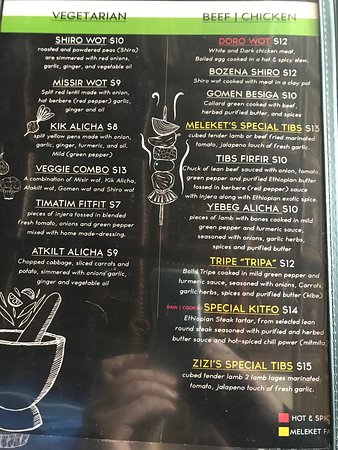
Navigating an ethiopian restaurant menu can feel overwhelming, but it is an opportunity to explore one of the world’s most communal and richly flavored cuisines. This guide serves as an essential resource, demystifying the traditional structure and core components of Ethiopian fare. By understanding the key culinary terms and preparation methods, you will be prepared to order with confidence and fully appreciate the depth of this ancient food culture. The unique elements of Ethiopian Spices, especially Berbere, and the staple bread Injera are central to this experience. Furthermore, recognizing the difference between the stew-like Wot and the sautéed Tibs is crucial for a complete dining experience.
Deciphering the Foundation: Injera and Ethiopian Dining Etiquette
The single most important item on any Ethiopian menu is not a dish, but the foundation upon which every dish rests: injera. This thin, spongy sourdough flatbread acts as both a plate and an utensil, central to the communal eating tradition. It is made from teff, a tiny, iron-rich grain, fermented for several days to achieve its characteristic sour tang. The texture and flavor are unique and fundamental to the Ethiopian culinary identity.
Traditional Ethiopian dining is a shared experience. Dishes are served atop a large platter of injera, and diners use additional rolls of the bread to scoop up the various preparations. The custom emphasizes connection and sharing. Learning to eat without utensils is part of the cultural immersion.
The act of gursha—feeding a bite to a fellow diner with one’s own hand—is an expression of love and respect. A complete menu exploration begins with appreciating this communal serving style. It reinforces the idea that food is meant to be enjoyed together, fostering a spirit of togetherness.
The Language of Ethiopian Spices and Flavor Profiles
Ethiopian cuisine is defined by its masterful use of spices, which creates distinct and complex flavor profiles. Understanding the core spices and terms is key to translating the menu. Many dishes are labeled with a spice rating (e.g., , , ) indicating mild, medium, or hot heat levels.
Berbere: The Heart of the Heat
Berbere is the most essential spice blend in Ethiopian cooking. It is a key ingredient in many wots and is the primary source of the cuisine’s rich, red color and heat. The blend is meticulously prepared, primarily from sun-dried red chili peppers.
The chili base is supplemented with a complex mixture of other spices and herbs. These often include garlic, ginger, basil, and fenugreek. This long process of drying, blending, and milling results in a deeply aromatic powder.
The depth of berbere is what differentiates a simple spicy dish from a complex, flavorful Ethiopian stew. It is a cornerstone that signifies authentic preparation and regional culinary identity. Without berbere, the characteristic taste of many classic dishes is lost.
Awaze and Mitmita: Defining the Spice Levels
While berbere is the foundational powder, Awaze is a highly popular paste or dipping sauce derived from it. Awaze is created by combining berbere with additional spices like garlic and ginger, seasoned butter (kibe), and liquor, often a local honey wine. It is frequently used to simmer meats in a spicy sauce or served as a side dip.
Mitmita offers another layer of intensity. This is a very spicy, bright red powder seasoning used primarily for raw or near-raw meat dishes. Mitmita’s heat comes from chili pepper, but its flavor is enhanced by cardamom, cloves, cinnamon, cumin, and ginger. It is typically a dry seasoning sprinkled over the food just before serving.
Recognizing these two terms on a menu immediately indicates a dish with significant heat and depth of flavor. They signal the level of culinary expertise and commitment to authentic Ethiopian taste. Diners should be mindful of these terms when assessing their preferred spice level.
Kibe and Ayib: Dairy Essentials
Two non-spice ingredients play crucial roles in adding richness and balance to Ethiopian dishes. These are Kibe and Ayib. Kibe is a clarified butter, similar to ghee. However, Ethiopian kibe is infused with a variety of herbs, which can include cilantro, basil, garlic, turmeric, and cumin. This herbed butter is used in the majority of Ethiopian meat and stew dishes, providing a distinct, aromatic richness. It elevates the texture and flavor profile far beyond simple oil.
Ayib is a mild, homemade Ethiopian cheese. It is similar to cottage cheese or farmer’s cheese, made from buttermilk. Ayib is often served alongside the spiciest meat dishes, such as Kitfo. Its mild, cooling taste acts as a necessary counterpoint, balancing the intense heat of the berbere and mitmita.
These dairy elements are not merely side notes; they are integral components that complete the flavor architecture of many main courses. Their presence contributes significantly to the full, rounded experience of Ethiopian cuisine.
A Deep Dive into the Menu Categories
Ethiopian menus are broadly structured into categories based on the preparation method and protein source. The two most common and important categories are Wot and Tibs. Understanding these two is the key to mastering the menu.
Appetizers: Starting with Sambussas and Katenya
Most Ethiopian meals begin with an appetizer, often a familiar yet distinct item. Sambussas are a popular starter. These are pastry shells stuffed with spiced fillings, such as lentils or spinach, and then pan-fried until crisp. They often carry a mild to medium spice level and are typically vegan.
Another common appetizer is Katenya. This dish is a simple yet powerful showcase of core Ethiopian ingredients. It involves toasted injera that is generously coated with a spicy berbere sauce, kibe, and ayib cheese. The mixture is then rolled and cut into pieces. Katenya is a rich, spicy, and satisfying start to the meal, highlighting the fundamental flavors to come.
These appetizers are perfect for sharing and provide an initial taste of the complex spice and texture combinations. They set the stage for the hearty main courses by introducing the palate to the traditional seasoning.
Wots: Slow-Simmered Stews
The term Wot (or W’et) means a thick sauce or stew. This category represents the heart of slow-cooked Ethiopian food. Wots are meticulously prepared, often simmered throughout the day to develop maximum depth of flavor. They are generally rich, deeply seasoned, and have a thick consistency, perfect for scooping with injera.
Wots are divided into two main types based on their color and seasoning. Keye Sega Wot is a classic example of a red pepper beef stew. It is slow-cooked and intensely flavored with chopped onion, grated ginger, pressed garlic, and authentic Ethiopian berbere. This dish is usually hot and is a quintessential example of Ethiopian comfort food.
The other type is Alicha Sega Wot, a mild, non-berbere stew. This stew is slowly cooked with a focus on yellow spices. It is simmered with garlic, ginger, and turmeric, resulting in a lighter color and a much milder flavor. The contrast between the intense Keye Wot and the gentle Alicha Wot highlights the versatility of Ethiopian stew-making.
Tibs: Sautéed and Sizzling Meats
In contrast to the slow-cooked stews, Tibs are preparations of cubed or sliced meat that are quickly sautéed or fried. Tibs dishes are served sizzling hot, often on a hot plate, and are defined by a fresh, robust seasoning profile. They offer a contrasting texture to the soft wots.
Beef Lega Tibs is a common offering, featuring cubed beef sautéed with onions, tomato, garlic, rosemary, and green peppers. This rapid cooking method keeps the meat tender and slightly crisp. The use of fresh rosemary is a signature of many tibs preparations.
Awaze Tibs adds a layer of complexity by simmering the sautéed meat in the pungent awaze sauce. The meat is first quickly cooked and then finished in this intensely spiced paste with onions, tomatoes, and green peppers. The result is a spicy, deeply flavored dish with a satisfying bite.
For those seeking textural contrast, Goden Tibs are often highlighted. These are crispy sautéed riblets, seasoned simply with onions, garlic, and rosemary. They are served on a sizzling hot plate to maintain their crispness and aroma, delivering a satisfying, meaty richness.
Kitfo: The Ethiopian Steak Tartare
A highly valued and specialized dish is Kitfo. This preparation is an Ethiopian version of steak tartare, considered a delicacy and a measure of a restaurant’s authenticity. Kitfo is made from fresh ground lean beef seasoned with mitmita and kebay.
The traditional, most authentic way to order it is terak (raw or rare). However, many restaurants offer it leb leb (medium) or yebesele (well done) to accommodate modern preferences. It is typically served with sides of gomen (collard greens) and ayib (cheese), which cut the richness of the meat.
Kitfo Addis is a common variation, adding minced onions and jalapeños to the seasoned ground beef. The combination of the rich kibe, the intense heat of the mitmita, and the cooling cheese creates a profound culinary experience. This dish requires the highest quality beef and reflects a deep cultural history.
The Pillars of Ethiopian Vegetarian Cuisine
Ethiopian cuisine is notably friendly to vegetarian and vegan diets due to religious fasting traditions (particularly within the Ethiopian Orthodox Tewahedo Church). This has led to the development of a diverse and flavorful array of plant-based dishes. These dishes are so central that many restaurants offer a dedicated Vegetarian Platter.
Exploring the Vegetarian Platter
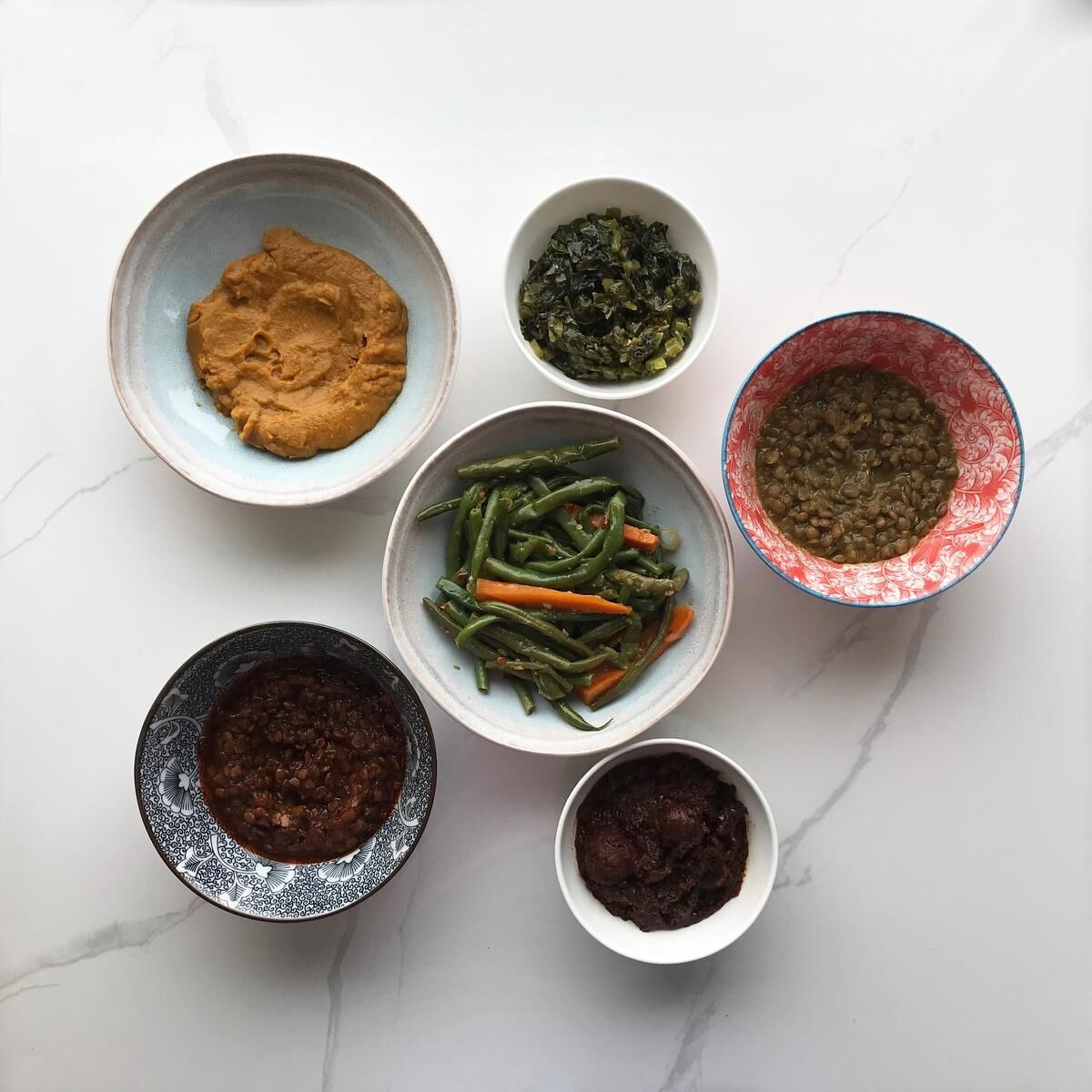
The typical Vegetarian Platter is an opportunity to sample a variety of the core vegetarian wots and side dishes. It is a fantastic introduction to the depth of flavor in plant-based Ethiopian cooking. These platters are usually served family-style on injera.
A staple component is Tikel Gomen, which features garden fresh cabbage and carrots slowly cooked in a mild curry sauce. This dish is soft, savory, and lightly seasoned, providing a gentle counterpoint to spicier items. Similarly, Denech Alicha Wot consists of fresh potatoes and carrots cooked in a mild curry sauce, highlighting the subtle sweetness of the root vegetables.
Another essential side is Yeabesha Gomen, finely chopped collard greens that are slowly steamed with onions and garlic. Gomen is rich in flavor and nutrients, often acting as a green staple alongside the spicier red dishes. These elements show the cuisine’s versatility in using common vegetables in unique, flavor-forward ways.
Understanding Lentil and Split Pea Dishes
The lentil and split pea preparations are the protein powerhouses of the vegetarian menu. These pulse-based dishes are rich and intensely flavored, providing deep sustenance.
Misir Wot is a foundational vegetarian dish. It features spiced red lentils cooked in a fiery red pepper berbere sauce. The lentils are cooked until soft, forming a thick, satisfying stew. The berbere ensures that this dish is typically one of the spicier options on the vegetarian section of the ethiopian restaurant menu.
Yekik Alicha is the mild-flavored counterpart, made with yellow split peas. These peas are seasoned with chopped onions and pressed garlic and cooked in a mild sauce. The emphasis is on a creamy texture and a subtle, savory seasoning, contrasting sharply with the heat of the Misir Wot.
Fasolia is another key vegetarian component, consisting of crisp string beans and crunchy carrots cooked in a mild sauce. This adds a necessary green element and a firmer texture contrast to the soft stews. Together, these dishes showcase the complex art of cooking with pulses and vegetables.
Addis Shiro Wot and its Variations
Shiro Wot is a unique and beloved Ethiopian dish, central to both vegetarian and non-vegetarian menus. It is made primarily from chickpea or pea flour and is simmered with berbere and onions to create a thick and intensely flavorful sauce. The best Shiro is often served in a boiling cauldron, maintaining its temperature and texture.
A richer, meat-inclusive version is Bozena Shiro. This incorporates crisp cubed beef, which is slow-simmered with the traditional shiro wot. The addition of beef adds a substantial texture and a deeper, meat-based savory flavor to the earthy chickpea sauce. Shiro is considered a comfort food, rich and deeply satisfying, representing a simple but profoundly flavorful part of the cuisine.
Seafood and Poultry Staples
While beef, lamb, and vegetarian dishes dominate, most comprehensive menus also include high-quality poultry and seafood options. These offer alternatives in texture and flavor profile, appealing to a wider audience.
Chicken and Poultry Preparations
The most famous Ethiopian chicken dish is Ye Doro Wot. This preparation involves a tender chicken leg that is slow-simmered in a rich, dark red pepper sauce. The sauce is built upon diced onion, pressed garlic, and a heavy hand of Ethiopian berbere. A hard-boiled egg typically tops the dish, signifying its status as a celebratory meal. Doro Wot is a testament to the patient, deep flavoring of the Wot tradition.
Chicken Tibs are also popular. These involve plump, all-natural chicken breast sautéed with fresh onion, pressed garlic, tomatoes, and green peppers. They can be ordered mild or finished with a spicy awaze sauce, offering customizable heat. Addis Special Chicken Tibs often involve grilling the chicken before sautéing and serving it on a sizzling plate, adding a smoky char to the profile.
Exploring Ethiopian Seafood Options
Ethiopian seafood preparations are generally lighter and focus on a quick sauté, similar to the tibs technique. Shrimp Tibs are a common fixture, with plump shrimp sautéed with diced onions, garlic, tomatoes, and green peppers. The quick cooking ensures the shrimp remain tender and are thoroughly coated in the fragrant seasoning.
Fish, often tilapia, is prepared in several ways. Yasa Awaze Tibs involves cubing the fish and simmering it in the spicy awaze sauce with onions and tomatoes. Alternatively, Yasa Dullet is a finely ground fish preparation mixed with diced onions, jalapeños, garlic, olive oil, cardamom, and mitmita. This dish is intense and highly seasoned, showcasing the cuisine’s versatility with ground proteins. A whole pan-fried fish, Yasa Tibs, seasoned and served with a fresh salad, provides a simple, crispy counterpoint to the stews.
Navigating Spice Levels and Ordering for Customization
Understanding the heat ratings is critical for a pleasant dining experience. Menus often use a simple system: one asterisk () for Mild, two () for Medium, and three () for Hot. Diners should always err on the side of caution with Ethiopian heat, as the berbere and mitmita can be robustly applied.
When ordering, do not hesitate to ask for customization. Many kitchens are accustomed to requests. For example, Kitfo can be adjusted from rare to well-done. Many tibs can be ordered with or without the awaze sauce. Communicating clearly with the server ensures a personalized experience.
Finally, remember the goal is balance. A successful Ethiopian meal includes a mix of textures—soft wots, crisp tibs, spongy injera—and flavors—spicy reds, mild yellows, and cooling dairy like ayib. A well-chosen Addis Specialty Meat Plate or the Vegetarian Platter is an ideal way to experience this crucial balance.
The ethiopian restaurant menu is not just a list of items; it is a map of Ethiopian culture and culinary history. By understanding terms like Injera, Wot, Tibs, and the depth of the spice blends, diners can move beyond simple consumption to a true appreciation of this rich and satisfying cuisine. The complexity of flavors, the commitment to slow-cooking, and the communal nature of the serving style all contribute to a unique and memorable dining experience that is highly focused on flavor and community.
Last Updated on December 1, 2025 by Alex Cesaria

Alex Cesaria is the creative force behind Nomad Girl, an all-day café and ristorante with a signature Milanese flair located in the heart of Nomad, New York City. With years of experience in the hospitality industry, Alex blends refined Italian sensibilities with New York’s energetic dining culture to create a place that feels both elegant and welcoming.