

Soul food is more than just a meal; it is a profound cultural statement. A well-designed menu soul food restaurant serves as the blueprint for this gastronomic experience, guiding the diner through a history of rich culinary tradition. The composition of the dishes reflects resourcefulness, flavor, and deep-seated hospitality, providing true comfort food for the soul. To truly appreciate this fare, one must understand the depth behind the choices presented on the menu, recognizing the heritage dishes that define authentic Southern cuisine.
The Foundational Pillars of a Soul Food Menu
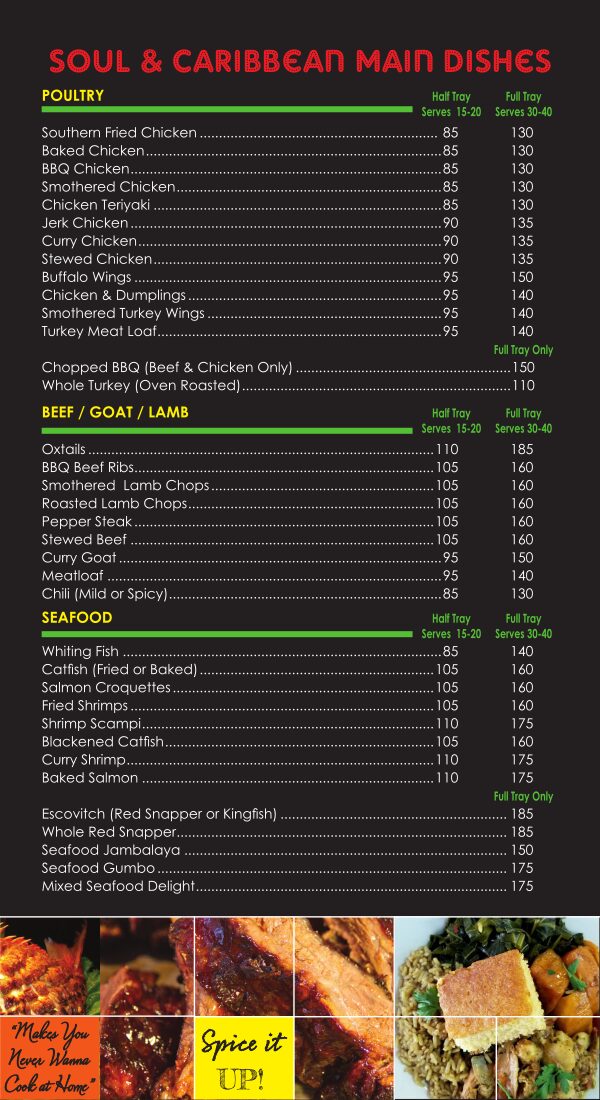
A successful soul food menu is built upon a balanced combination of rich meats, savory vegetables, and satisfying starches. This structure ensures a complete, nourishing, and historically accurate meal experience. Each section of the menu is a tribute to the past, modernized for the contemporary palate while retaining its core identity. The selection process is a vital part of the overall dining enjoyment.
Main Entrees: The Heart of the Plate
The entree section anchors the entire soul food experience, presenting the high-flavor, protein-heavy options. These dishes are often prepared using time-intensive methods to achieve maximum tenderness and taste. The focus remains on simple ingredients elevated through meticulous, slow cooking.
Fried Chicken stands as the undisputed icon, a benchmark against which any soul food kitchen is measured. The preparation demands a perfectly seasoned batter and precise cooking to ensure a crisp exterior and a juicy interior. Variations may include pan-fried or deep-fried styles, each offering a slightly different textural profile.
Smothered Pork Chops provide a different kind of richness, symbolizing a commitment to slow-cooked decadence. These chops are first pan-seared and then slowly simmered in a rich, flavorful brown or cream gravy. The gravy itself is the key, acting as a velvety sauce that binds the meat and the accompanying sides. This preparation method is crucial for tenderness.
Catfish, whether fried or grilled, highlights the prominence of fresh-water fish in Southern cooking. The fried version typically uses a cornmeal crust, lending a coarser texture and deeper flavor than a standard flour dredge. It is a lighter yet equally satisfying counterpoint to the heavier red meats and poultry.
Other staple entrees often include tenderizing Oxtails, known for their deep, gelatinous richness, and robust Meatloaf, served with a tangy glaze. Each main dish must carry a heavy flavor profile to stand up to the equally flavorful sides. A true expert hand ensures these entrees never taste rushed.
Essential Sides: More Than Just Complements
The side dishes, frequently called “vegetables,” are arguably the most crucial components of the soul food plate. They provide the necessary balance and contrast to the rich entrees, often taking center stage in terms of flavor complexity and preparation. The quality of a soul food restaurant is often judged solely on the quality of its side offerings.
Macaroni and Cheese sparks one of the most passionate debates in soul food circles. The authentic style is a baked, multi-cheese custard, firm enough to be sliced, not merely a creamy sauce. This baked structure creates a savory crust and a deeply satisfying, dense texture that distinguishes it from standard mac and cheese.
Collard Greens are a mandatory inclusion, their preparation signifying the chef’s mastery of seasoning. They must be slow-cooked, not merely steamed, and traditionally simmered with smoked meat—such as ham hocks or smoked turkey. The resulting liquid, known as “pot liquor,” is highly prized for its nutrient density and savory flavor.
Candied Yams or Sweet Potatoes offer the essential sweet counterpoint to the savory meats and bitter greens. The potatoes are slow-cooked in a syrup of butter, brown sugar, and spices like nutmeg and cinnamon. They must be tender but not mushy, maintaining a glazed, caramelized exterior.
Other staples include Black-Eyed Peas, often seasoned with pork fat for depth, and Rice and Gravy, a simple but essential filler that soaks up the sauces of the entrees and sides. Each side must be distinct, yet work harmoniously to create a balanced plate of diverse flavors and textures. The expert preparation of these sides distinguishes a good menu from a great one.
Navigating the Southern Culinary Heritage
The menu soul food restaurant is not a random collection of dishes; it is a curated document rooted in profound American history. Understanding the heritage provides context for why certain ingredients and cooking methods are elevated above others. This context informs the chef’s decisions and enhances the diner’s appreciation of the meal.
Historical Roots and Cultural Significance
Soul food emerged from the economic and social necessity faced by enslaved and marginalized Black Americans in the Southern United States. It is a cuisine born of resourcefulness, utilizing inexpensive or discarded ingredients and transforming them into hearty, flavorful meals. The cooking methods, such as slow-simmering and deep-frying, were often a response to the poor quality of cuts of meat available.
The Great Migration saw soul food travel North, Midwest, and West, becoming a culinary anchor for Black communities across the nation. Restaurants showcasing this fare became vital social centers, offering a taste of home and a connection to Southern heritage. This history imparts a deep cultural significance to the food, transcending mere flavor.
This cuisine is a testament to the ingenuity of taking simple ingredients and using complex seasoning techniques to maximize their flavor potential. The deep connection to the land and the memory of family meals imbues every recipe with a sense of warmth and authenticity. The menu items represent survival, celebration, and familial love.
The Role of Seasoning and Preparation
The art of seasoning is the invisible mastery that defines authentic soul food. It relies heavily on fat and smoked ingredients to impart flavor rather than simple salt and pepper. This process is complex and often time-consuming.
Smoked meats, like ham hocks or smoked turkey necks, are rarely served as a main dish. Instead, they function as flavor agents, simmered for hours with vegetables to create an intense, smoky, and salty broth. This method transforms simple greens into a deeply complex side dish.
The preference for ‘low and slow’ cooking is essential for tenderizing tougher cuts of meat. Dishes like barbecue, pork shoulder, and oxtails require hours of gentle heat to break down connective tissue. This patient process yields meats that are fork-tender and permeated with seasoning from the inside out. The commitment to this time-honored preparation is a non-negotiable aspect of quality.
Beyond the Basics: Signature Menu Items and Specials
A great menu soul food restaurant expands beyond the foundational classics to include unique signature dishes and regional specialties. These additions showcase the chef’s creativity and provide an authentic window into specific Southern culinary sub-regions. They offer a rewarding experience for repeat patrons seeking variety.
Regional Specialties and Local Twists
Soul food has regional variations that are often reflected in a comprehensive menu. For instance, in the coastal areas, dishes like Gumbo or seafood preparations, such as Shrimp and Grits, might be featured. These dishes integrate local catches and ingredients, expanding the culinary conversation.
Oxtails are a menu highlight for many establishments, prized for their rich, beefy flavor and melt-in-your-mouth texture. They require hours of braising in a deeply seasoned liquid until the meat is falling off the bone. Serving oxtails signifies a commitment to high-cost, high-labor, authentic cooking.
The tradition of the daily “Blue Plate Special” is a hallmark of many soul food establishments. This concept, often a “Meat-and-Three” format, offers a rotating selection of one entree and three sides at a fixed, affordable price. It allows the kitchen to showcase seasonal ingredients and specialty dishes not always available on the main menu, keeping the offerings fresh and exciting for regulars. This format is a nod to diners looking for quick, quality value.
The Bread and Dessert Cornerstones
The menu is incomplete without the traditional starch and sweet elements that finish the meal. These items are simple in concept but demand perfection in execution to complement the savory components. The bread serves as both an accompaniment and a utensil for soaking up gravies.
Cornbread is the essential bread item, often served free of charge with the meal. The style can vary significantly, ranging from savory, buttermilk-based loaves baked in a cast-iron skillet to slightly sweeter, cake-like squares. Authentic cornbread uses cornmeal, not flour, as its base, resulting in a slightly coarse and satisfying texture.
Desserts are dominated by items that utilize common pantry staples and seasonal fruits. Sweet Potato Pie, not pumpkin, is the true Southern classic, characterized by a smooth, custardy filling and a hint of spice. Peach Cobbler and Banana Pudding are also vital, both offering a simple, satisfying sweetness. The crust of the cobbler must be flaky, and the vanilla wafers in the pudding must soften just enough. These desserts provide the perfect comfort ending.
Pricing, Presentation, and the Customer Experience
Beyond the raw list of dishes, the structure and presentation of a menu soul food restaurant greatly influence the overall dining experience. A clear, well-organized menu communicates professionalism and respect for the customer. The pricing strategy reflects both ingredient costs and the labor-intensive nature of the cuisine.
Menu Structure and Accessibility
The most common and effective structure divides the menu into clear sections: Entrees, Sides/Vegetables, Breads, Desserts, and Drinks. Entrees are often sold as “Plates” or “Dinners,” which include a main dish and a choice of two or three sides, offering bundled value. Sides are often listed à la carte as well, allowing customers to customize their meal or purchase larger portions for family-style sharing.
Clarity in the menu is paramount, especially for first-time visitors who may be unfamiliar with the terminology of Southern cooking. Descriptions should be concise but evocative, detailing the preparation method (e.g., “Smoked and Braised Oxtails”) rather than just the ingredient. The accessibility of the menu, both in terms of legibility and organization, is a key component of customer service.
Creating the Comfort Food Experience
Soul food dining is inherently linked to generosity and a sense of homestyle abundance. The plating should reflect this, prioritizing large, satisfying portions over minimalist presentation. The goal is to evoke the feeling of a Sunday family dinner, a deeply personal and nostalgic experience.
The pricing must reflect the high-quality ingredients and the lengthy, skilled labor involved in authentic preparation. Though soul food is often considered comfort dining, the hours required for slow-braising and seasoning justify a mid-range pricing strategy. Value is delivered through the portion size and the deep, complex flavors achieved through traditional cooking. The restaurant atmosphere, from the music to the staff’s demeanor, should reinforce the menu’s promise of warmth and genuine hospitality.
A thoughtfully curated and expertly executed menu soul food restaurant is the cornerstone of a successful establishment. It serves as a narrative, recounting a deep history of perseverance, creativity, and culinary excellence. The commitment to heritage dishes, the mastery of slow cooking, and the devotion to flavor integrity ensure that every meal provides a satisfying, culturally rich experience for the diner. The menu is not a simple price list; it is a declaration of culinary identity and a timeless invitation to taste the true comfort of the South.
Last Updated on November 30, 2025 by Alex Cesaria

Alex Cesaria is the creative force behind Nomad Girl, an all-day café and ristorante with a signature Milanese flair located in the heart of Nomad, New York City. With years of experience in the hospitality industry, Alex blends refined Italian sensibilities with New York’s energetic dining culture to create a place that feels both elegant and welcoming.