
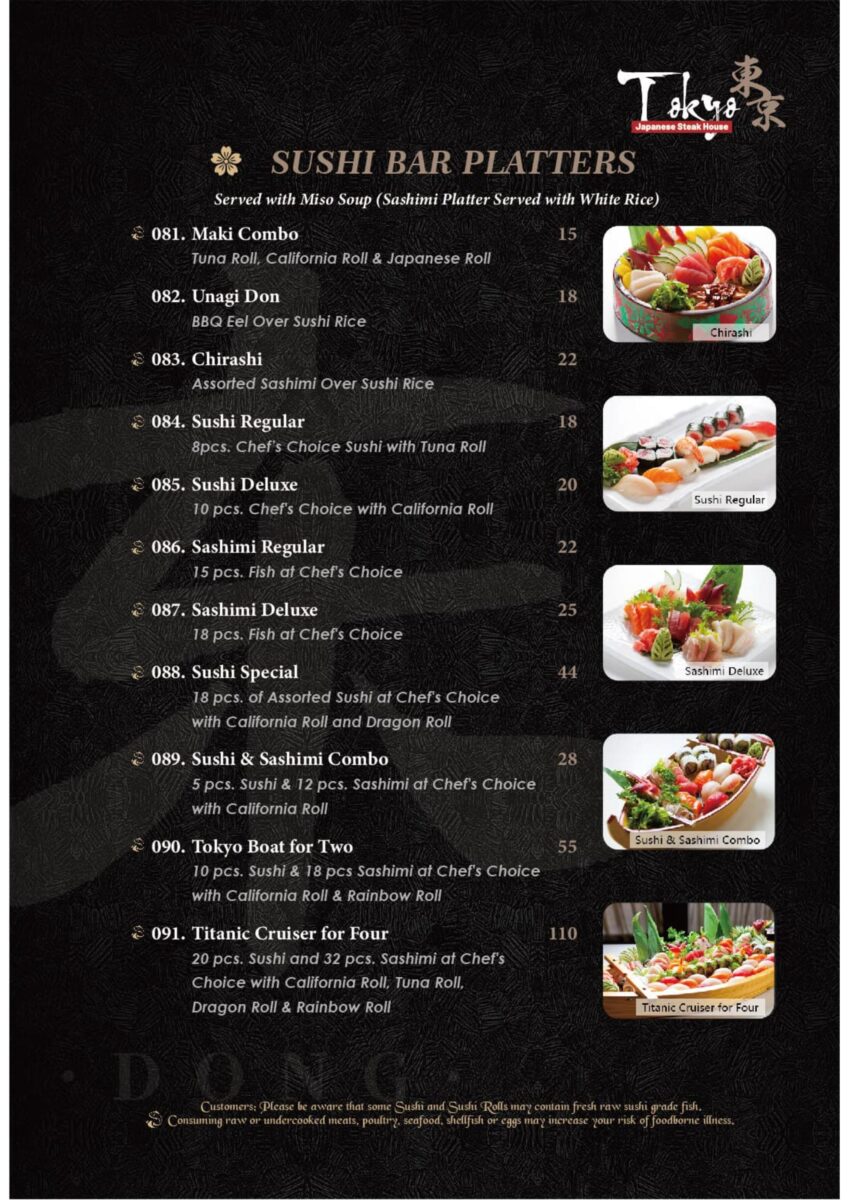
Finding the perfect restaurant tokyo menu is the first, most crucial step in planning an unforgettable culinary journey through Japan’s bustling capital. Tokyo’s dining scene is a complex, multi-layered ecosystem, ranging from hole-in-the-wall noodle shops to the pinnacle of Michelin-starred dining. This city demands a specialized approach, especially when reviewing menus that often blend traditional Japanese script with English translations, requiring an understanding of Izakaya culture and the emphasis on seasonal ingredients. A deep dive into the available menus not only reveals price points but also the level of Shokunin tradition and the true essence of the Japanese omakase experience.
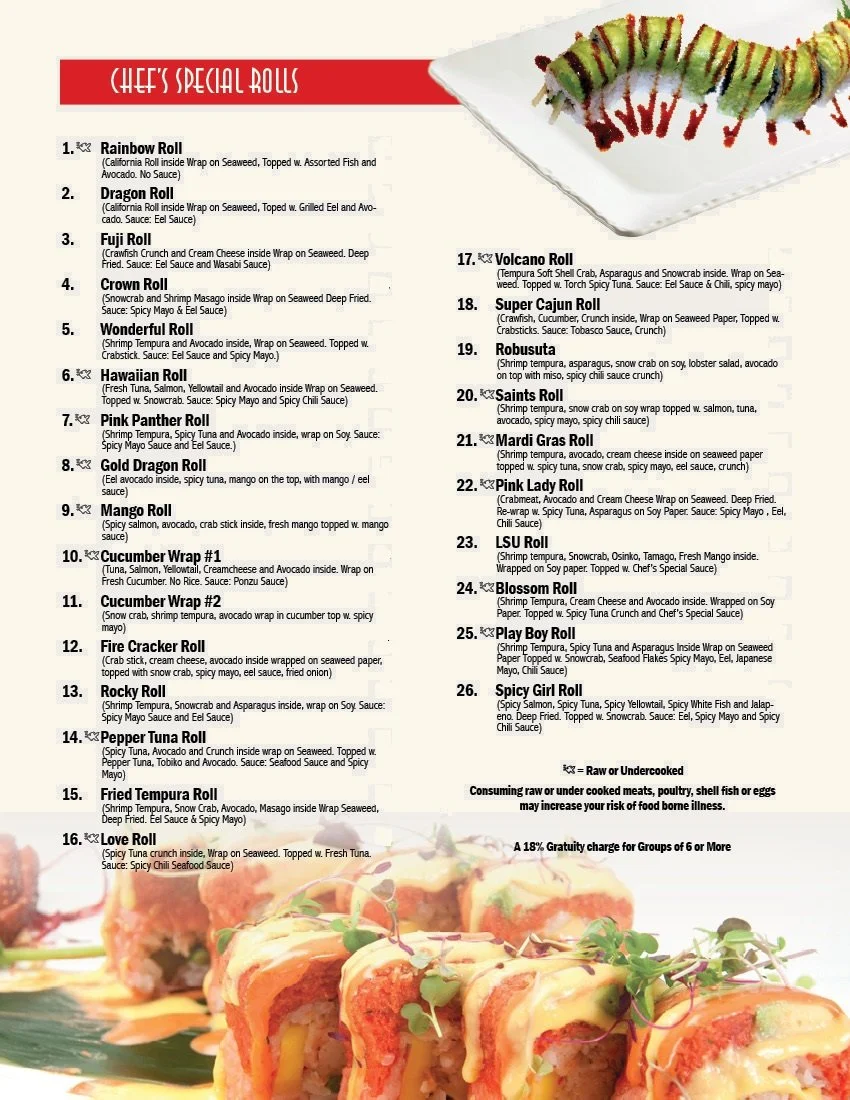
Decoding the restaurant tokyo menu: Essential Categories
The menu is not merely a price list; it is a direct reflection of the establishment’s philosophy and specialty. In Tokyo, menus are categorized by cuisine, preparation style, and even the time of day, making initial navigation challenging. Identifying the core offering and specialization of a restaurant is vital before ordering. This focused analysis ensures you select an authentic and representative dish for the given venue.
Understanding the Different Menu Formats
Tokyo restaurants typically utilize three primary menu structures: A la Carte, Set Course, and Kaiseki. A la Carte offers individual items, common in ramen shops and casual dining. The Set Course, or Teishoku, provides a balanced, fixed-price meal, ideal for lunch and quick dinners. Kaiseki represents the highest form of Japanese fine dining, presenting a multi-course meal that showcases peak seasonal ingredients and meticulous presentation, often requiring a reservation.
Menus focused on sushi will highlight nigiri and sashimi options. These lists prioritize the fish quality and cut over complex rolls. A good menu will list the fish available for the day, reflecting market availability. Ramen shops feature a concise menu based on their signature broth—Tonkotsu, Miso, or Shoyu—with a range of customizable toppings.
The Language Barrier and How to Overcome It
While many high-end or tourist-centric Tokyo establishments offer English menus, relying solely on them can limit your options. Many authentic local eateries use Japanese-only menus. The Yubisashi method (pointing and indicating) is a valid form of communication.
The rise of the visual menu, or Shokuhin Sample (plastic food models), greatly assists ordering. These models accurately represent the dish and its portion size, eliminating guesswork. When an English menu is absent, look for photo menus or use translation apps to understand the Japanese script, particularly the character for the core ingredient. Asking “Osusume wa nan desu ka?” (What do you recommend?) is always an acceptable approach.
Navigating Tokyo’s Diverse Culinary Districts
The district a restaurant is located in heavily influences its menu’s focus, quality, and price point. Understanding the local culinary specialization is essential to matching the restaurant tokyo menu with your expectations. A menu in Ginza will focus on premium, high-cost items, while one in Shinjuku might be more casual and geared toward volume.
Shinjuku and Shibuya: Modern Takes on Traditional Fare
The menus in Shinjuku and Shibuya cater to a younger, more dynamic crowd. Here, you find innovation: fusion sushi rolls, modern Izakaya small plates, and unique dessert experiences. The average restaurant tokyo menu in these areas is often designed for sharing and includes a wider variety of globally-inspired drinks.
Expect menus to feature dynamic happy hour specials and late-night offerings. The high foot traffic in these areas leads to competitive pricing and rapid turnover. The sheer volume of options means a lower-risk investment on your part, but requires careful selection to avoid tourist traps. Look for menus emphasizing local craft beers and inventive cocktails.
Ginza and Roppongi: High-End and Michelin-Starred Selections
Menus in Ginza and Roppongi reflect luxury and exclusivity. This is the domain of Michelin-starred dining and established high-end traditions. The focus here is not just on the food but on the entire dining omakase experience. Menus often feature extremely detailed source information for ingredients, emphasizing rarity.
Pricing is significantly higher, but the value lies in the precision and the use of rare or highly seasonal components. Many menus in these areas operate solely on an omakase or chef’s choice format. This eliminates the traditional a la carte selection, trusting the expertise of the chef, a true sign of the Shokunin tradition. Reservations are almost always mandatory.
Tsukiji and Toyosu: The Ultimate Seafood Menus
For unparalleled freshness, the area surrounding the former Tsukiji Outer Market and the new Toyosu Market is mandatory. The restaurant menus here are dictated by the morning’s catch. The focus is exclusively on seafood, with little deviation.
The sushi and sashimi menus will list the most pristine cuts, often featuring fish not commonly available elsewhere. A restaurant’s specialty is often written on a small whiteboard outside, reflecting the daily specials from the market. This is where you find the best expression of seasonal ingredients. Lunch menus are particularly popular, offering highly competitive pricing for world-class quality.
From Ramen to Kaiseki: Analyzing Core Menu Offerings
A detailed examination of specific dishes across an restaurant tokyo menu provides the best insight into the restaurant’s quality and authenticity. Even common dishes can reveal a chef’s commitment to excellence through their presentation and ingredient choices. The depth of the menu should reflect a narrow specialization, a key indicator of quality.
The Art of the Sushi and Sashimi Menu
A superior sushi menu is characterized by simplicity and focus. It clearly differentiates between nigiri (fish slice over rice) and sashimi (fish slice alone). Rolls are typically simple, like Tekka Maki (Tuna Roll) or Kappa Maki (Cucumber Roll), rather than overly complex, sauce-laden combinations.
Look for a menu that prominently features seasonal catches, such as Katsuo (skipjack tuna) in spring or Sanma (Pacific saury) in autumn. The price of the set menus, or morikomi, often provides the best value, offering a chef-selected balance of flavors. The inclusion of premium cuts like Toro (fatty tuna) indicates a high-quality establishment.
Ramen and Udon: Understanding Broth and Topping Variations
Ramen shops typically base their menu around the soup base, which is the most critical component. Tonkotsu (pork bone based flavor), Shoyu (Soy Sauce flavor), and Miso are the standard broth choices, a structure seen on many menus globally. A truly specialized shop will dedicate itself to one or two bases, perfecting them over time.
Udon menus vary based on whether the noodles are served hot or cold. Kitsune Udon (sweet fried tofu) and Tempura Udon (served with deep-fried items) are common hot options. Cold soba and udon are often served with a special dipping broth on the side, a light and refreshing option. Customization of toppings—extra chashu (pork), egg, or bamboo shoots—is a standard menu feature.
Donburi and Katsu: Comfort Food Staples on Every restaurant tokyo menu
Donburi, a rice bowl topped with various ingredients, and Katsu, a breaded and deep-fried cutlet, are essential parts of the everyday Japanese menu. These dishes represent fast, satisfying, and high-quality comfort food.
A Donburi menu should feature classics like Oyakodon (chicken and egg) and Katsu Don (pork cutlet and egg). A high-quality Katsu establishment, often called a Katsu-ya, will focus on the meat’s sourcing and the quality of the panko breading. The menu should also detail the sauces and accompanying items, such as the grated radish (daikon oroshi) or the cabbage salad. The presence of a set meal (Teishoku) offering for these items is a strong indicator of a reliable, local eatery.
E-E-A-T: Expert Tips for Ordering Like a Local
Moving beyond simply reading the prices, a true expert understands the nuance of the Japanese dining experience. This specialized knowledge allows for a more authentic and respectful interaction, elevating the entire experience. Knowing the right etiquette and ordering customs is as important as the menu itself.
Mastering the Omakase Experience and Pricing
Omakase translates to “I leave it up to you,” signifying a complete trust in the chef. In high-end sushi or Kaiseki restaurants, the omakase experience is the menu. This format allows the chef to showcase the absolute best and most seasonal ingredients of the day.
Pricing for omakase is often listed as “MKT” (Market Price) or a tiered fixed price. When a fixed price is given (e.g., ¥15,000, ¥20,000, ¥30,000), it corresponds to the quality and number of courses. Always confirm the general price range beforehand to prevent unexpected costs. The chef will prepare and serve each dish individually, guiding the diner through the meal.
Etiquette and Tipping: What Not to Do in a Tokyo Restaurant
Japanese restaurant etiquette is deeply rooted in respect. Tipping is not just unnecessary; it can be considered rude or confusing. The menu price is the final price, embodying the concept of hospitality (omotenashi). Do not attempt to leave a tip, regardless of the quality of service.
Chopstick etiquette is critical. Never stick chopsticks upright in a bowl of rice or pass food from one set of chopsticks to another. When ordering small plates at an Izakaya culture spot, order for the table rather than individually, promoting communal dining. Wait until all drinks have been served before saying Kanpai (Cheers).
Vegetarian and Allergy Concerns: Translating Dietary Needs
Dietary restrictions, particularly vegetarianism, require careful communication in Japan. The concept of “vegetarian” is not universal, as many broth bases contain dashi (fish stock). A detailed restaurant tokyo menu might list key ingredients, but direct communication is better.
Translating phrases like “I cannot eat fish or meat, even the broth” using a printed card or phone app is the most reliable method. Many contemporary Tokyo restaurants, especially in major hubs, are now highly accommodating to gluten and other severe allergies. However, always prioritize the chef’s expertise and be prepared for limited options in deeply traditional settings, where ingredient purity is paramount.
Tokyo’s dining landscape offers a dizzying array of options, but approaching it with a strategic, informed mindset transforms the challenge into a rich reward. By thoroughly analyzing the restaurant tokyo menu, understanding the regional culinary focus, and mastering basic ordering etiquette, visitors can unlock the best of the city’s food scene. This expert-level preparation ensures that every meal, from a casual bowl of ramen to a formal Kaiseki dinner, is a genuine and satisfying exploration of Japan’s profound food culture, confirming Tokyo’s reputation as the world’s preeminent culinary destination.
Last Updated on November 29, 2025 by Alex Cesaria

Alex Cesaria is the creative force behind Nomad Girl, an all-day café and ristorante with a signature Milanese flair located in the heart of Nomad, New York City. With years of experience in the hospitality industry, Alex blends refined Italian sensibilities with New York’s energetic dining culture to create a place that feels both elegant and welcoming.