
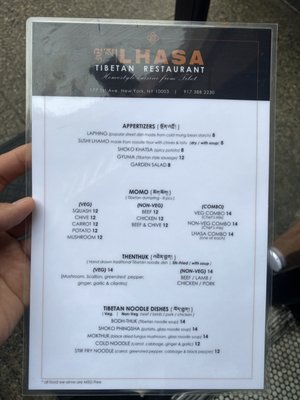
Lhasa Tibetan Restaurant, situated at 177 1st Avenue, stands as a cornerstone of authentic Tibetan dining in New York City. The lhasa tibetan restaurant menu is a deeply personal document, representing the high-altitude, comfort-food traditions of the Himalayan plateau. This menu offers a full immersion into Tibetan cuisine, moving far beyond simple Asian fusion to explore complex traditional recipes. Diners seeking an authentic experience in the bustling East Village dining scene will find a complete culinary story here, highlighted by signature dishes like the universally beloved authentic momo. Understanding this menu is the first step toward appreciating the rich history and hearty flavor profiles of Himalayan foodways.
The Core of Tibetan Foodways: Decoding the Momo Selection
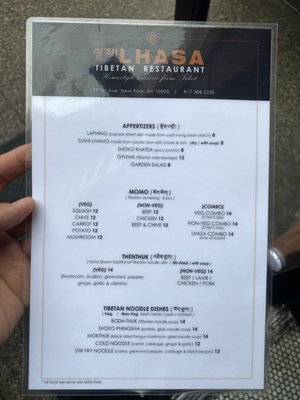
The momo is arguably the most famous dish on the menu and serves as the quintessential introduction to Tibetan gastronomy. These Tibetan dumplings are distinguished by their thin wrappers, precise fillings, and the way they are often served in an environment emphasizing communal dining. The simplicity of the ingredients often belies the complexity of flavor achieved through expert folding and steaming techniques. The menu at Lhasa dedicates an entire section to this staple, reflecting its cultural importance.
The quality of a Tibetan restaurant is often measured by the expertise of its momo preparation. At Lhasa Tibetan Restaurant, the process honors age-old methods of dough work and seasoning. The resulting texture is consistently tender, preventing the wrapper from becoming rubbery or thick. Fillings are seasoned to balance richness with the subtle, earthy spices characteristic of the region.
The Art of the Dumpling: Variations and Preparation
The Lhasa menu offers a comprehensive variety of momo to satisfy all palates, catering to both traditional meat-eaters and modern vegetarians. Non-Vegetarian options include the classic Beef Momo, which uses finely ground or minced meat seasoned with savory spices and fresh herbs. The Chicken Momo offers a lighter alternative, often preferred by those seeking a leaner protein. For a unique twist, the Beef & Chive Momo combines the richness of the meat with the sharp, aromatic bite of fresh chives.
Vegetarian choices are equally compelling and are not merely afterthoughts. The Chive Momo and Potato Momo are robust and flavorful, drawing on staples of the Tibetan diet. The Mushroom Momo provides a deep, umami-rich experience. Customers can also choose from the Veg Combo Momo or the Non-Veg Combo Momo, providing a convenient sampler plate of the chef’s various selections. This variety ensures that every diner can find a favorite, whether they prioritize traditional flavors or contemporary needs.
Perfect Pairings: The Essential Dipping Sauce
A Tibetan meal is incomplete without its dipping sauce, and the accompaniment to the momo is crucial. Lhasa provides a signature spicy dipping sauce, which perfectly cuts through the richness of the meat and vegetable fillings. The sauce is typically tomato-based, infused with chillies, garlic, and ginger. This bright, acidic component balances the warmth and density of the dumpling, enhancing the overall sensory experience.
The sauce is crafted to complement, not overpower, the delicate flavors of the momo filling. Its complexity often involves a touch of Sichuan peppercorn or a local Tibetan spice blend, creating a distinct heat profile. This element of the meal is vital for understanding the bold and simple flavors that define authentic Tibetan food. The meticulous balance achieved in the dipping sauce reflects the restaurant’s commitment to culinary accuracy.
Noodle Soup Culture: Thenthuk, Bodhthuk, and Mokthuk
Noodles form the second foundational pillar of the Tibetan diet, serving as crucial comfort food in the cold high-altitude climate. The noodle section of the Lhasa menu is a masterclass in Tibetan soup-making traditions. These dishes are characterized by hearty broths, hand-made noodles, and a substantial combination of vegetables and proteins. They are designed to be filling and warming, representing the true spirit of Himalayan sustenance.
The various noodle dishes showcase different preparations and textures, providing a broad range of culinary explorations. The tradition of hand-pulling or hand-shaping the noodles is a testament to the skill and dedication required in Tibetan cooking. This effort ensures the noodles possess a superior texture that industrially produced versions cannot replicate. The soups are often consumed for lunch or dinner, providing necessary energy and warmth.
Hand-Pulled Thenthuk: A Staple of the Plateau
Thenthuk is a celebrated dish, distinguished by its hand-drawn, flat, and irregular noodles. The name itself translates roughly to “noodle pinch,” referring to the method of tearing or shaping the dough by hand before dropping it into the broth. This manual preparation gives the noodles a unique, slightly chewy texture that holds up well in the rich, hot soup. It is a true reflection of rustic, pastoral cooking.
Lhasa offers Thenthuk in both soup and stir-fry preparations, allowing the diner to choose based on preference or the weather. The soup version features a deeply flavored stock, often simmered with bone-in meat to extract maximum flavor. Available with beef, lamb, pork, or chicken, or a completely vegetable-based stock, it is a versatile and deeply satisfying meal. The stir-fry version, known as Ngoethuk, provides a completely different texture experience, where the noodles are coated in a savory sauce.
Warming Broths: Analyzing Mokthuk and Shoko Phingsha
Beyond the main Thenthuk, the menu features other essential soup dishes like Mokthuk and Shoko Phingsha. Mokthuk is a comforting combination of momo (dumplings) served within a clear, savory broth. This dish is distinct because it features the dumplings as the star protein within the soup environment. It typically includes black dried fungus mushroom and glass noodles, adding an extra layer of textural complexity.
Shoko Phingsha, another soup option, focuses on the combination of potato and glass noodles. The name translates to “potato glass noodle.” This dish is typically milder, allowing the natural flavor of the potato and the broth to shine through. It is an excellent choice for those seeking a less meat-intensive, yet still substantial, meal. These soups collectively demonstrate the resourcefulness of Tibetan cooking, utilizing simple, hardy ingredients to create nourishing meals.
Beyond the Staples: Appetizers and Regional Specialties
The appetizer section of the lhasa tibetan restaurant menu provides a valuable window into the wider world of Tibetan and Himalayan snacks and street food. These smaller dishes offer quicker preparations and often showcase ingredients not heavily featured in the main courses. Exploring this section is essential for a comprehensive understanding of the cuisine’s breadth.
The menu successfully mixes globally recognized appetizers with specific regional delights. This strategic mix caters to both new customers and seasoned connoisseurs of Himalayan food. Items like the Gyuma, a pan-fried sausage, offer a meat-heavy starter, while the Laphing introduces a truly unique textural experience. This range reflects the diverse culinary influences along the Tibetan trade routes.
Discovering Street Food: Laphing and Sushi Lhamo
Laphing is one of the most exciting inclusions on the menu, known as a popular street dish made from cold mung bean starch. It is typically prepared as a chilled jelly-like substance, sliced into strips, and served in a tangy, spicy, and garlicky sauce. Its texture is slippery and smooth, providing a dramatic contrast to the hearty warmth of the noodle soups. The dish’s cold nature makes it particularly popular during warmer months.
Another unique appetizer is Sushi Lhamo, described as chive and tofu rolled in layers of noodle flour. While the name uses the term “sushi,” it is a wholly Tibetan preparation that uses the principle of rolling. This dish showcases the use of simple, plant-based ingredients to create a satisfying and savory starter. Both Laphing and Sushi Lhamo highlight the ingenuity of Tibetan cooks in transforming basic starches into flavorful, distinct dishes.
Savory Starters: Gyuma and Shoko Khatsa
For those seeking more traditional, savory starters, the Gyuma and Shoko Khatsa are excellent choices. Gyuma is a Tibetan-style pan-fried sausage, which can be made with blood (blood sausage) or with seasoned meat, often beef or pork. This dish is rich, flavorful, and serves as a hearty way to begin the meal. It is a specialty that showcases the utilization of all parts of the animal, a necessity in the harsh Tibetan climate.
Shoko Khatsa translates to “spicy potato” and is a simple yet powerfully flavored dish. It features diced or sliced potatoes stir-fried with chili, garlic, and other spices. The potato is a core ingredient in Tibetan cooking, and this preparation celebrates its texture and ability to absorb robust seasoning. This dish can function as a side, a light appetizer, or a potent accompaniment to a noodle soup.
Hearty Mains: Drok-Sha, Chilli Dishes, and Tibetan Comfort
The “Non-Veg Special” section on the menu is reserved for larger, more complex dishes that are typically reserved for family meals or special occasions. These are the main protein-focused dishes that anchor the Tibetan culinary experience, showcasing slow-cooking methods and substantial portions. These dishes demonstrate the high-end, slow-food side of the cuisine.
These main courses are designed to be shared and are almost always served with a side of Tingmo (steamed buns) or rice. The pairing of a rich, slow-cooked meat dish with the plain, slightly sweet Tingmo is a classic Tibetan way of balancing flavors and textures. The chilli dishes, while influenced by neighboring cuisines, maintain a uniquely Tibetan spice profile.
Slow-Cooked Excellence: The Signature Drok-Sha
Drok-Sha, which translates to “slow-cooked thin sliced,” is a signature dish that emphasizes time-honored cooking methods. The meat, typically beef or pork, is braised for hours until it is fork-tender and deeply infused with the spices. The final presentation is a rich, savory, and extremely comforting meal that serves as a testament to patience in cooking. This dish is the epitome of Tibetan comfort food.
The accompanying Tingmo, a Tibetan style steamed bun, is essential for soaking up the rich juices of the Drok-Sha. These buns are slightly dense, yeast-raised, and have a unique, fluffy texture that distinguishes them from Chinese bao. The combination of the melt-in-your-mouth meat and the comforting bread is a deeply satisfying cultural experience. The serving of Tingmo or rice is always included, completing the meal.
The Spiced Kick: NYC’s Take on Tibetan Chilli
The various chilli dishes, including Beef Chilli, Pork Chilli, and Lamb Chilli, offer a nod to the influence of nearby Nepalese and Indian flavors. These are not simple stir-fries but highly seasoned plates of meat cooked with peppers, onions, and a complex array of dry spices. The Tibetan version tends to rely on a blend of native spices that gives it a distinct aromatic quality.
The Pork Chilli, for example, is described as “spicy pork with pepper and onions,” promising a significant heat level. These dishes are perfect for diners seeking a bold, fiery flavor profile. The intensity of the chilli is often tempered by the accompanying Tingmo or a simple side of white rice, which provides a neutral foundation for the spice. The inclusion of these chilli dishes broadens the appeal of the lhasa tibetan restaurant menu.
The Beverage Experience: Traditional Teas and Modern Options
The beverage menu at Lhasa Tibetan Restaurant is as important as the food, featuring traditional drinks that are integral to the culture. These beverages are often designed to aid digestion, provide hydration, and offer warmth in a cold environment. Ignoring the tea options means missing a crucial part of the overall Tibetan dining experience.
Alongside the traditional offerings, the menu includes modern beverages like sodas and a modest selection of beer and wine. This blend shows the restaurant’s ability to cater to both the desire for cultural authenticity and the expectations of a modern New York City clientele. The cultural drinks, in particular, serve as essential palate cleansers and digestive aids.
The Essential Am-Jha and Bodh-Jha
The most notable inclusions are the traditional Tibetan teas: Am-Jha and Bodh-Jha. Am-Jha is described as a milk tea from the Amdo region of Tibet. This milky, sweet tea is a staple and a milder entry point into Tibetan beverages. It is a comforting drink, often consumed throughout the day, offering a balance of sweetness and warmth.
Bodh-Jha, or Po Cha, is the renowned Tibetan butter tea. This savory, slightly salty tea is made with yak butter and salt and is a cornerstone of the high-altitude diet, providing essential fat and calories. It possesses a deeply unique flavor that can be surprising to uninitiated diners but is a must-try for cultural authenticity. The tea is served hot and helps cut through the richness of the meat-heavy cuisine.
Dietary Considerations and Culinary Philosophy
A restaurant’s commitment to E-E-A-T is demonstrated through its transparency, expertise, and ability to cater to diverse needs while maintaining authenticity. Lhasa Tibetan Restaurant exhibits this professionalism through its clear menu labeling and knowledgeable staff. The kitchen’s adherence to traditional techniques provides the expertise, while the accommodation of common dietary restrictions ensures wide appeal.
The rise of plant-based diets and specific religious dietary requirements makes accommodation a key component of modern dining. Lhasa’s approach to these needs is thoughtful, allowing for a broader audience to experience traditional Tibetan food. The distinct separation of ingredients within the menu sections is helpful for both ordering and managing allergies.
Vegetarian and Halal Offerings
Tibetan cuisine is inherently resourceful and naturally offers several vegetarian options due to the reliance on grains, potatoes, and root vegetables. The menu clearly labels Chive, Potato, and Mushroom Momo as vegetarian. The noodle dishes like Thenthuk and Bodhthuk also offer a clear vegetarian option. Shoko Phingsha, with its focus on potato and glass noodles, is a naturally plant-based soup.
Furthermore, the restaurant explicitly mentions that only the chicken options are considered Halal. This provides crucial information for Muslim diners, ensuring they can order the Chicken Momo or Chicken Thenthuk with confidence. This clear communication regarding specialized preparation and ingredient sourcing underscores the restaurant’s professionalism and respect for diverse patrons. The dedication to offering well-defined options showcases a strong commitment to service.
The E-E-A-T of Authenticity
The culinary philosophy behind the lhasa tibetan restaurant menu is one of unwavering authenticity. The use of hand-pulled noodles (Thenthuk), traditional preparations (Drok-Sha), and specialized drinks (Bodh-Jha) all signal a high level of expertise in Tibetan foodways. The deep knowledge required to execute these dishes correctly contributes significantly to the E-E-A-T of the dining experience. The menu is not simply a list of items; it is a curated collection of culturally significant dishes that tell the story of the Tibetan people.
The flavors are earthy, hearty, and less reliant on the intense use of fresh herbs and light sauces found in Southeast Asian cuisines. Instead, there is a focus on deep, slow-simmered flavors, rich fats, and warming spices. This reflects the practical necessities and available resources of the high-altitude regions of Tibet. The consistency in the preparation of staples like the momo and Tingmo confirms the restaurant’s commitment to providing an authentic experience in the heart of New York City.
In conclusion, the lhasa tibetan restaurant menu is a comprehensive guide to a distinct and compelling cuisine. It offers a structured journey through Tibetan food culture, from the essential street food of Laphing and the comforting warmth of Thenthuk and Mokthuk, to the signature perfection of the momo. This menu provides an authentic, high-quality, and deeply satisfying culinary experience, making Lhasa Tibetan Restaurant a definitive destination for anyone seeking to explore the foodways of the Himalayan region.
Last Updated on November 28, 2025 by Alex Cesaria

Alex Cesaria is the creative force behind Nomad Girl, an all-day café and ristorante with a signature Milanese flair located in the heart of Nomad, New York City. With years of experience in the hospitality industry, Alex blends refined Italian sensibilities with New York’s energetic dining culture to create a place that feels both elegant and welcoming.