
The necessity of strategic food photography for restaurant menu design has never been more pronounced for modern hospitality brands. A well-executed visual strategy immediately influences customer perception, establishing a baseline for quality and professionalism. Understanding this strategic asset is crucial for success, transforming a simple list of dishes into a powerful tool for menu engineering. The photography must embody visual storytelling that aligns with the restaurant’s brand, directly boosting sales. This adherence to high standards is vital for building high E-E-A-T (Experience, Expertise, Authoritativeness, and Trust) with guests. Above all, professional visuals are the cornerstone of effective truth in advertising.
The Strategic Value of Professional Menu Photography
High-quality food photography transcends mere decoration; it is a critical investment in merchandising and brand consistency. For concepts ranging from high-volume quick-service operations to upscale casual dining, strategic visuals guide a customer’s decision-making process. The photographs act as silent sales staff, highlighting high-margin items and suggesting specific pairings. This visual communication accelerates the ordering process, which is especially vital during peak service times. Furthermore, superior visual assets extend their utility beyond the print menu, seamlessly integrating into all digital marketing platforms.
Understanding Customer Perception and Cognitive Biases
The human brain processes images exponentially faster than it processes text. This cognitive reality dictates that a guest’s first impression of a dish is visual, not textual. Professional photography leverages psychological principles, such as the Von Restorff effect, to make specific menu items stand out. When images are crisp, well-lit, and thoughtfully composed, they inherently suggest a higher perceived value and quality of the dish. This immediate and positive association significantly increases the likelihood of a high-value purchase.
The Role of E-E-A-T in Food Visuals
In the competitive digital landscape, a restaurant’s credibility is constantly scrutinized by potential patrons. Exceptional food photography signals deep expertise in culinary execution and brand consistency. Fuzzy, poorly lit, or amateur photos undermine this perception, suggesting a lack of authoritativeness or attention to detail. Conversely, utilizing a specialized food photographer demonstrates a commitment to quality. The photographs themselves become tangible evidence of the restaurant’s experience and trustworthiness.
 A photograph of a restaurant menu showcasing stylized food photography next to menu item descriptions.
Planning Your food photography for restaurant menu Shoot
A successful photoshoot is a highly structured, pre-planned event, not a casual session. The outcome depends entirely on meticulous preparation and the collaboration of specialized professionals. Treating the photoshoot like a small-scale production ensures adherence to brand standards and the efficient capture of necessary assets. This pre-production phase minimizes costly reshoots and maximizes the investment in digital assets.
Selecting the Right Photographer and Stylist
Hiring a generic portrait photographer is a common and costly mistake for restaurant owners. Food photography is a specialized discipline that requires deep knowledge of light diffusion, food prep, and post-production techniques unique to the culinary world. The photographer must be adept at making cold food look hot and dry food look moist. A professional food stylist is equally non-negotiable, possessing the precise tools and chemical knowledge to prepare dishes specifically for the camera lens. Their combined expertise is the foundation of high-quality visuals.
Developing a Shot List and Creative Brief
Every photoshoot must begin with a detailed shot list that outlines the target dishes, their specific menu function, and the desired aesthetic. The creative brief should explicitly detail the target mood, the background props, and the required camera angles (e.g., flat lay, 45-degree, close-up). This document serves as the primary communication tool, ensuring that the photographer’s vision aligns perfectly with the brand’s marketing objectives. Dishes highlighted in this brief are typically signature, seasonal, or high-profit items.
Stylized photograph showing various dishes arranged artfully for professional food photography for restaurant menu creation.
Technical Considerations for High-Quality Visuals
The visual quality of a menu photograph is determined less by the camera equipment and more by the mastery of fundamental elements like light, composition, and post-processing. These technical components are what separate amateur snapshots from appetite-inducing, sales-driving visuals. Consistency across all photographs is paramount to maintaining a professional and cohesive brand presence.
Mastering Lighting: Natural vs. Studio Setups
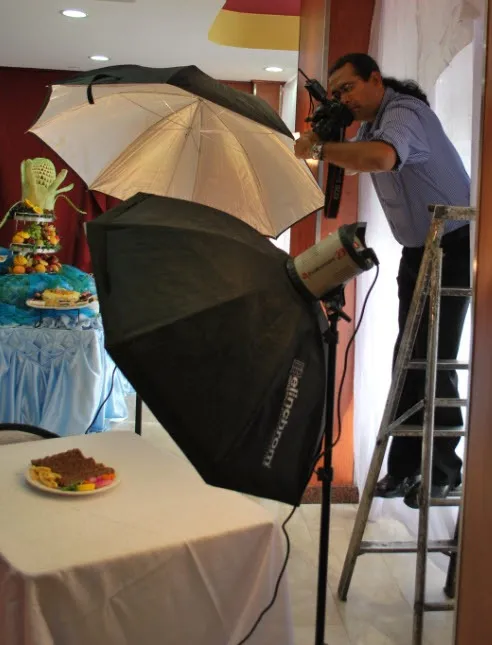
Light is the single most important element in food photography. It dictates texture, color, and mood. Soft, diffused light is nearly always preferred, as harsh shadows can make food appear unappetizing. Natural daylight, when properly managed with diffusers and reflectors, often yields the most appealing results. In the absence of adequate natural light, a professional studio setup uses sophisticated strobes and modifiers to mimic the flattering quality of diffused window light. The goal is to highlight the food’s best features without causing unwanted glare.
Composition and Prop Styling for Appetite Appeal
Effective composition directs the viewer’s eye to the main subject—the food item itself. Techniques like the rule of thirds, negative space, and leading lines are essential for creating dynamic and balanced images. Prop styling, which includes the choice of plates, cutlery, linens, and backgrounds, must support the dish without overwhelming it. Props should align with the restaurant’s aesthetic and provide crucial context, yet remain secondary to the hero dish. This nuanced approach elevates the visual storytelling of the menu.
Post-Production and Menu Integration
Post-production involves careful calibration of color, contrast, and sharpness to ensure the final image is print-ready and digitally optimized. Color correction is critical to ensure that food colors remain true-to-life and vibrant. Finally, the photographs must be correctly formatted and sized for their intended use within the menu design. High-resolution files are required for print, while optimized, smaller files are necessary for fast-loading digital menus and websites.
A detailed close-up of a perfectly plated menu item, demonstrating the quality of food photography for restaurant menu visual assets.
Budgeting and Investment: The ROI of food photography for restaurant menu
The cost of professional food photography is substantial, reflecting the high expertise and specialized equipment required. However, viewing the expense as an investment with a measurable Return on Investment (ROI) fundamentally shifts the perspective. The initial outlay is repaid through increased average check sizes and stronger customer engagement. Large-scale national chains are known to invest thousands per final image due to the direct correlation with sales uplift.
Analyzing Photographer Pricing Structures (Day Rate vs. Per Image)
Photographers typically charge based on a day rate, half-day rate, or a package fee per final, edited image. Day rates often range from $2,500 to $5,000 USD and generally include the photographer’s time, equipment, and a certain number of final assets. A per-image pricing model might be suitable for smaller, less comprehensive shoots. When comparing quotes, it is essential to clarify ownership rights, usage licensing, and whether the fee includes the necessary food stylist, assistants, and studio rental costs.
The Hidden Cost of Amateur Photography
Attempting to save money by using a staff member with a high-end smartphone or a non-specialized photographer often results in a net loss. Poorly executed photography confuses and disappoints customers, leading to lower perceived value and a subsequent drop in sales. These amateur images often require more text explanation to compensate for the visual shortfall, which slows ordering. The cost of customer perception damage and lost sales significantly outweighs the upfront expense of a professional shoot.
An image illustrating the high-quality presentation achieved through expert food photography for restaurant menu styling and lighting.
Legal and Ethical Requirements: Truth in Advertising
The primary ethical mandate in food photography is truth in advertising. While professional styling is expected and necessary, the final image must accurately represent the product the customer will receive. Misleading photography is not only unethical but can also lead to negative guest experience and potential legal consequences related to consumer protection.
Defining the Line Between ‘Styling’ and ‘Misrepresentation’
Styling involves techniques to make the food look its best under bright lights, such as using specific garnishes or brushing on oil for shine. Misrepresentation occurs when the styling fundamentally alters the item’s reality. Examples of misrepresentation include exaggerating portion size, swapping actual ingredients for non-food substitutes, or manipulating colors to an unrealistic degree. The image must maintain authoritativeness by remaining faithful to the kitchen’s consistently achievable standard.
Maintaining Consistency Across Digital and Print Menus
A crucial element of building customer trust is ensuring visual consistency across all customer touchpoints. The photograph used on the printed menu must look identical to the one featured on the website, mobile app, and in social media campaigns. Discrepancies create friction and erode E-E-A-T. Regular audits and standardized color profiles across all platforms are essential practices for maintaining this critical visual uniformity. This commitment to detail reinforces the restaurant’s professional commitment to its brand promise.
The strategic implementation of high-caliber food photography for restaurant menu design is a non-negotiable component of a restaurant’s sales and marketing engine. Success hinges on recognizing the profound impact of visual assets on customer psychology and investing in specialized expertise to deliver appetite-appealing results. By meticulously planning the shoot, adhering to technical best practices, and strictly maintaining the highest ethical standards of truth in advertising, restaurants can leverage their menu visuals to secure a competitive advantage and maximize profitability.
Last Updated on November 13, 2025 by Alex Cesaria

Alex Cesaria is the creative force behind Nomad Girl, an all-day café and ristorante with a signature Milanese flair located in the heart of Nomad, New York City. With years of experience in the hospitality industry, Alex blends refined Italian sensibilities with New York’s energetic dining culture to create a place that feels both elegant and welcoming.